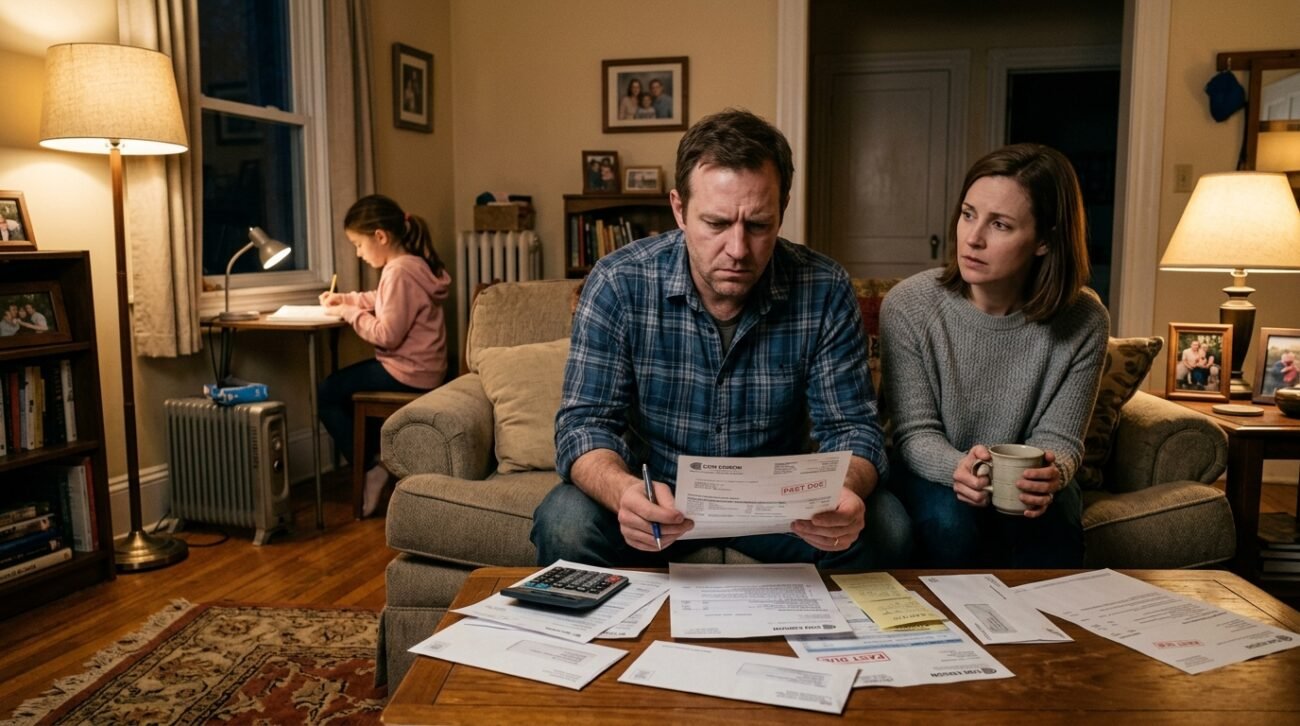
Stability tends to be linked with the idea of middle-class life. A steady earnings level, ease in daily living – these form part of the picture. Seen from afar, it appears balanced: neither rich nor strained. Yet underneath sits something less spoken about. Hidden burdens shape much of this experience – social demands to keep up appearances sit alongside ongoing money duties. One misstep risks more than outsiders assume. Though free from severe hardship, comfort remains out of reach without wealth’s safety net. From this middle ground, unseen expenses emerge – quietly guiding choices, shifting focus, influencing future stability over time.
Lifestyle Expectations
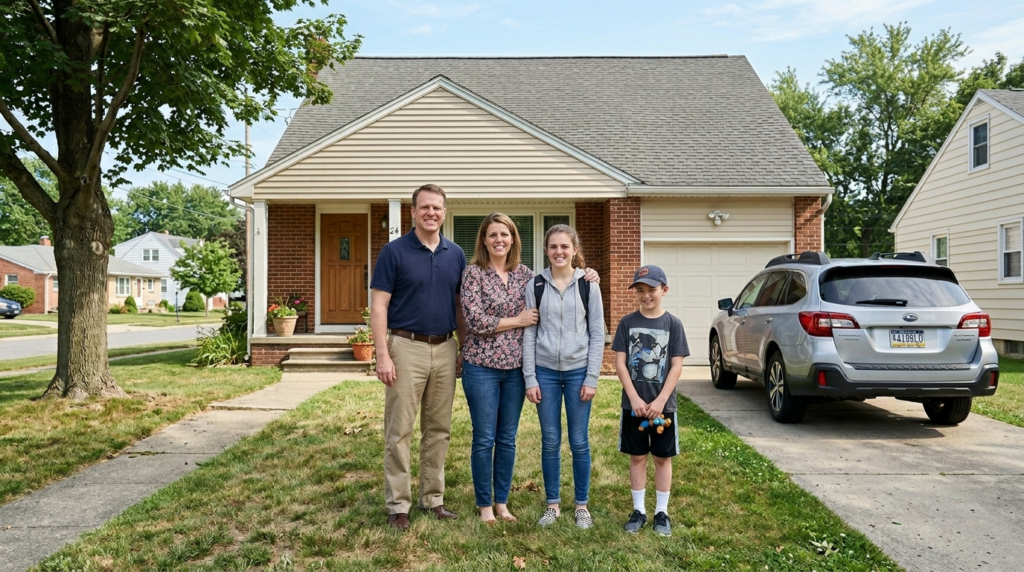
Middle-class households frequently face an unspoken demand: uphold a standard of living marked by stable homes, dependable vehicles, annual trips, access to strong schools. Such norms tend to shape financial choices in ways that strain household finances – despite consistent earnings over time.
The Savings Struggle

A fraction of income remains once basics are met, setting limits on what can be set aside. Where higher earnings allow flexibility, moderate ones face tighter boundaries – future planning often pauses under pressure.
Education Expenses

Seen by many as a route toward improved prospects, education carries steep price tags that include climbing tuition fees along with long-term debt burdens. Financial pressure builds quietly when households of moderate means redirect funds to support learning chances for younger generations.
The Debt Trap
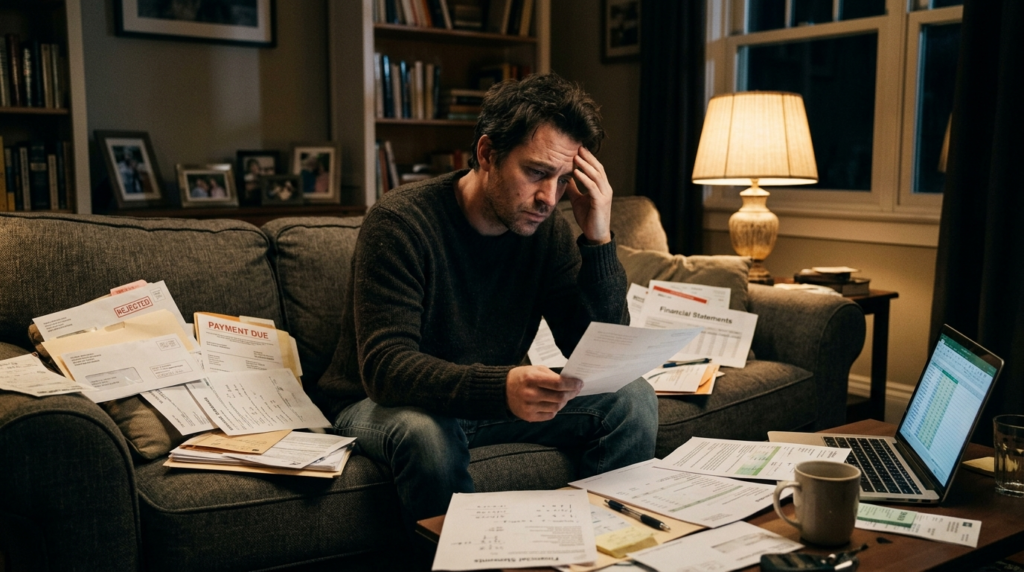
Most families with moderate incomes manage credit accounts, property financing, house installments. Though helpful for reaching personal milestones, such obligations often bring extended debt demands.
Healthcare Burden

A single hospital visit might start small yet grow costly fast. Though coverage exists, many overlook how quickly bills pile up when illness strikes without warning.
Limited Financial Safety Net

For many in the middle class, paychecks form the core of their finances – unlike those with inherited wealth or passive earnings. When employment ends unexpectedly, even brief gaps in income tend to unravel carefully balanced budgets.
The Retirement Dilemma

When today’s costs come first, thinking ahead to retirement becomes complicated. Saving often waits – sometimes skipped – for those in the middle-income range, with only minimal contributions set aside; this shapes how steady their finances might be later on.
Social Comparison Pressure

When social platforms highlight certain lifestyles, a quiet pressure forms. Because images of success circulate widely, individuals may begin adjusting habits without realizing why. As one person’s choices become visible, another’s sense of normal shifts slightly. Where spending once followed needs, it now sometimes follows visibility.
Supporting Extended Family

Though rooted in care, support for parents or kin by those in the middle tier often brings unseen strain. Helping siblings or extended family, even when voluntary, sometimes stretches budgets beyond comfort.
The Price of Staying Steady

Oddly enough, covering steady expenses like housing loans, coverage plans, school costs, or routine needs takes up much of what an average household earns. Comfort may show on the surface, yet space to move financially tends to shrink under such weight.
