
Do you ever wonder why some states seem to run on endless energy while others prioritize relaxation? Work habits differ dramatically across America, and one detailed study reveals the clear winners and more laid-back spots. According to WalletHub’s report on the Hardest-Working States in America, published on August 25, 2025, experts analyzed 10 key indicators split into direct work factors and indirect work factors. North Dakota claimed the top spot with a score of 66.17, while Michigan landed at the bottom. Get ready for an engaging look at the top 10 hardest-working states and the 10 least hard-working ones, including what drives their rankings. You might discover surprising insights about your own state’s hustle level. These states excel in long hours, high engagement, and strong labor participation. WalletHub’s scoring highlights their commitment through metrics weighted toward real effort and productivity.
South Dakota

South Dakota secures third place with a score of 60.81, thanks to its excellent employment rate and strong overall work ethic. Agriculture, ranching, and growing tech sectors keep residents busy with reliable schedules and high engagement.
Alaska

Ranking second with a score of 63.11, Alaska stands out for its demanding industries like oil, fishing, and resource extraction. Workers here average some of the highest weekly hours in the country, often exceeding 40 hours due to seasonal and remote job demands.
North Dakota

North Dakota tops the list with an impressive total score of 66.17, driven by its number-one ranking in direct work factors. Residents maintain one of the highest employment rates in the nation and log some of the longest average workweeks. The energy sector plays a major role here, demanding consistent effort even during tough weather conditions. People in this state also show low rates of idle youth and leave fewer vacation days unused, proving their strong dedication to both work and community involvement.
Texas

Texas earns fourth position with a score of 57.06, fueled by its massive and diverse economy that spans energy, technology, and manufacturing. The sheer scale of opportunities encourages longer workweeks and higher participation rates across urban and rural areas alike.
Hawaii
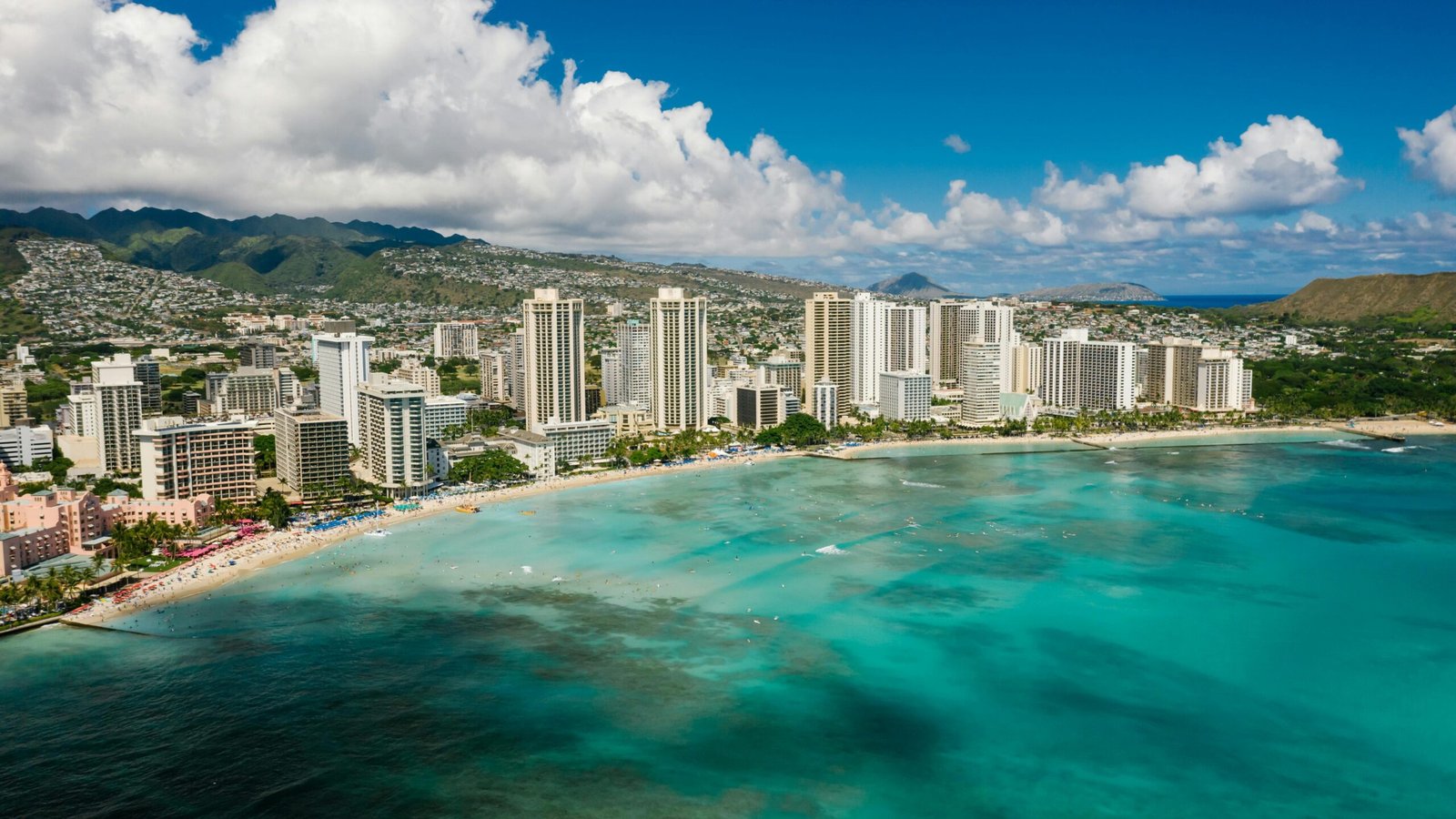
Surprisingly, Hawaii claims fifth place with a score of 56.84, largely because of its top performance in indirect work factors. Tourism and agriculture require year-round dedication despite the island lifestyle, leading to strong engagement scores.
Virginia

Virginia ranks sixth with a score of 55.93, supported by its robust government, defense, and technology sectors that demand steady commitment. The state benefits from solid employment rates and lower idle youth numbers, ensuring a reliable workforce.
New Hampshire
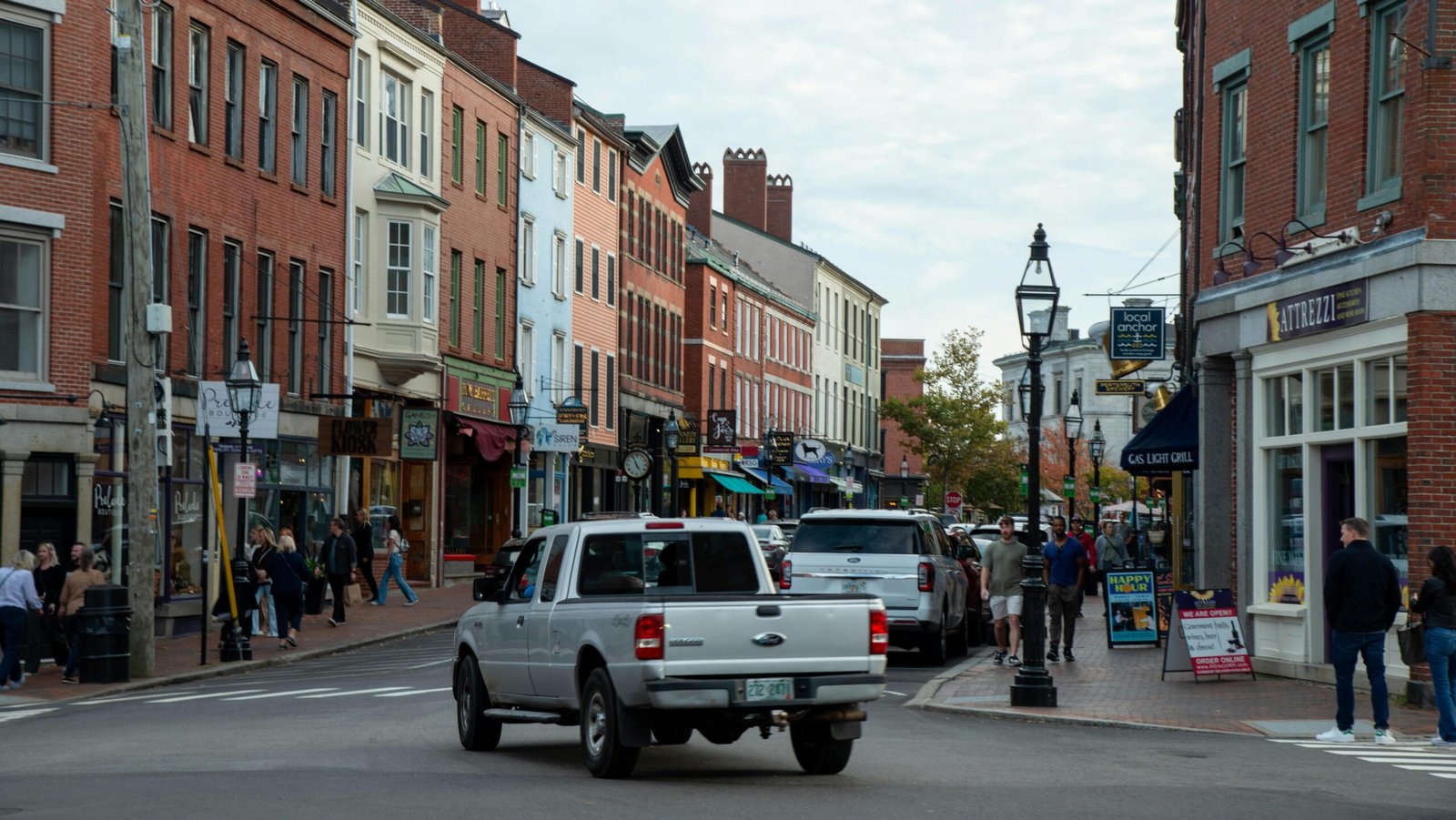
New Hampshire takes seventh spot with a score of 55.76, excelling particularly in unused vacation time as residents prioritize work over extended breaks. Manufacturing and tech industries thrive here with a no-nonsense approach to productivity.
Wyoming
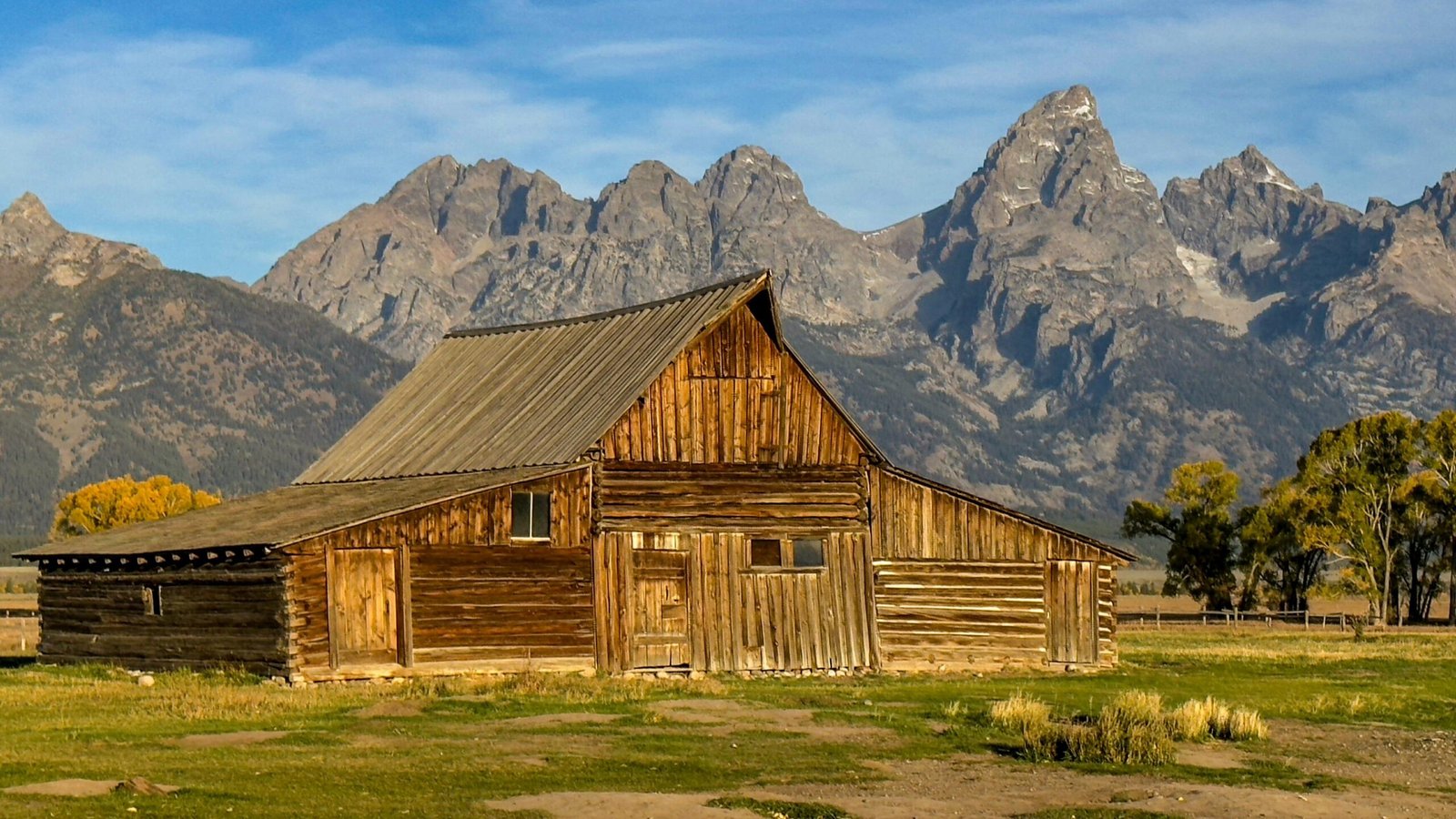
Wyoming lands in eighth place with a score of 54.99, powered by energy extraction and tourism jobs that often involve extended hours under expansive skies. Workers maintain high efficiency in key roles, supported by solid employment rates.
Maryland

Maryland rounds out the top nine with a score of 54.98, driven by its biotech, federal government, and research hubs that reward dedication. High employment rates and strong engagement keep the workforce active and productive.
Nebraska

Nebraska completes the top 10 with a score of 53.93, anchored by agriculture, logistics, and manufacturing sectors that value dependability above all. Residents show high volunteer participation alongside steady work hours, creating a balanced yet hardworking community.
The 10 Least Hard-Working States: Where Balance and Leisure Take Priority
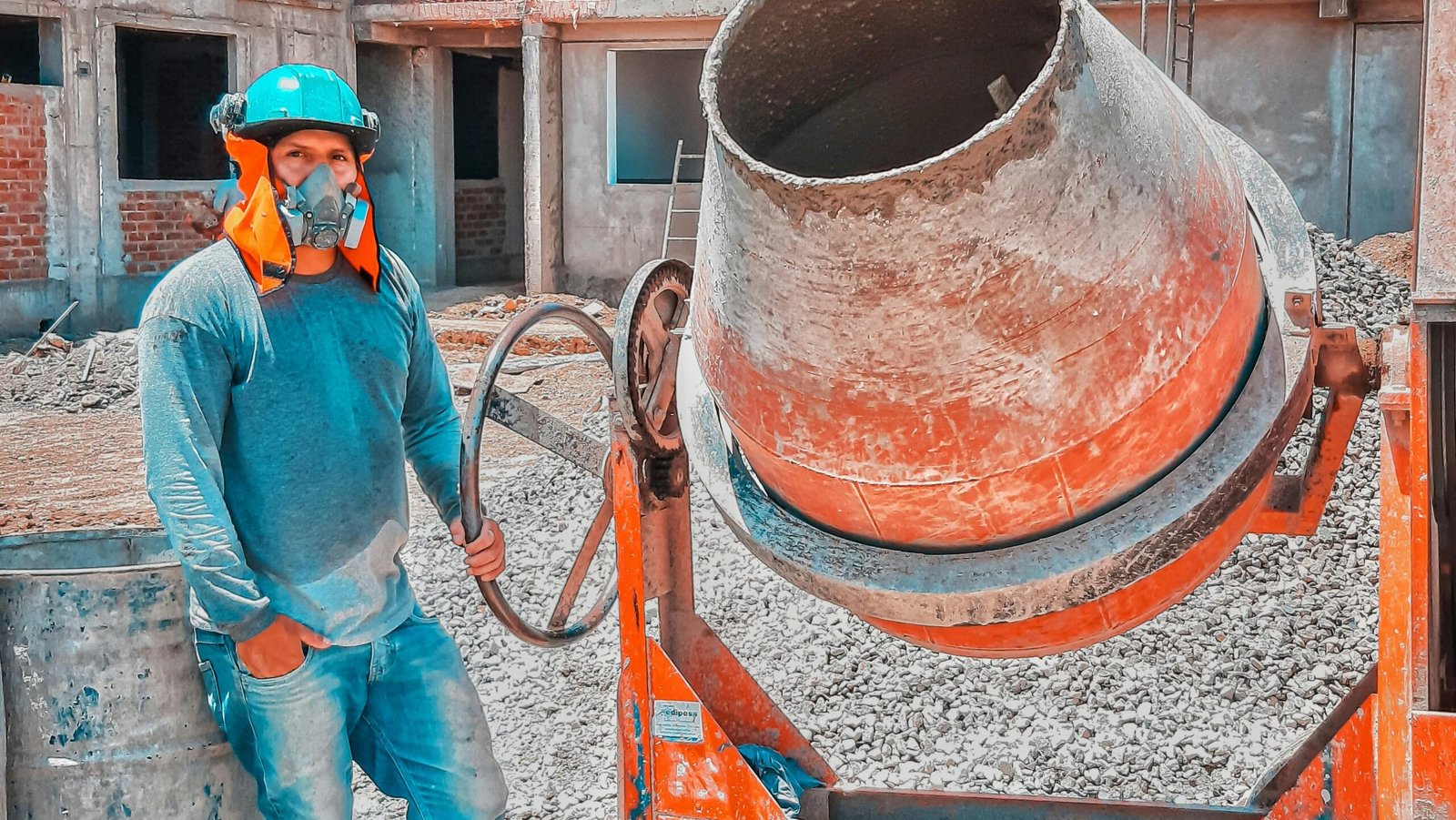
These states score lower overall due to factors like higher leisure time, more vacation usage, or employment challenges. The rankings reflect different priorities rather than a lack of effort in every case.
Oregon

Oregon sits at 41st with a score of 36.85, influenced by longer average commutes and greater emphasis on downtime in places like Portland. The creative and outdoor-focused culture encourages more leisure activities, which impacts direct work metrics. Residents often enjoy craft scenes and nature breaks that contribute to a more relaxed pace compared to high-hustle states.
Illinois

Illinois ranks 42nd with a score of 36.04, affected by higher idle youth rates and patterns of vacation usage in urban centers like Chicago. Economic factors in some areas lead to varied employment levels, while community volunteering remains present. The mix creates a landscape where work-life boundaries receive more attention than nonstop grinding.
New Mexico

New Mexico places 43rd with a score of 35.49, shaped by its vast landscapes and artistic communities that favor leisure and cultural pursuits. Lower scores in some employment metrics combine with higher daily downtime, allowing residents to enjoy stargazing, outdoor exploration, and creative endeavors over extended work schedules.
Ohio
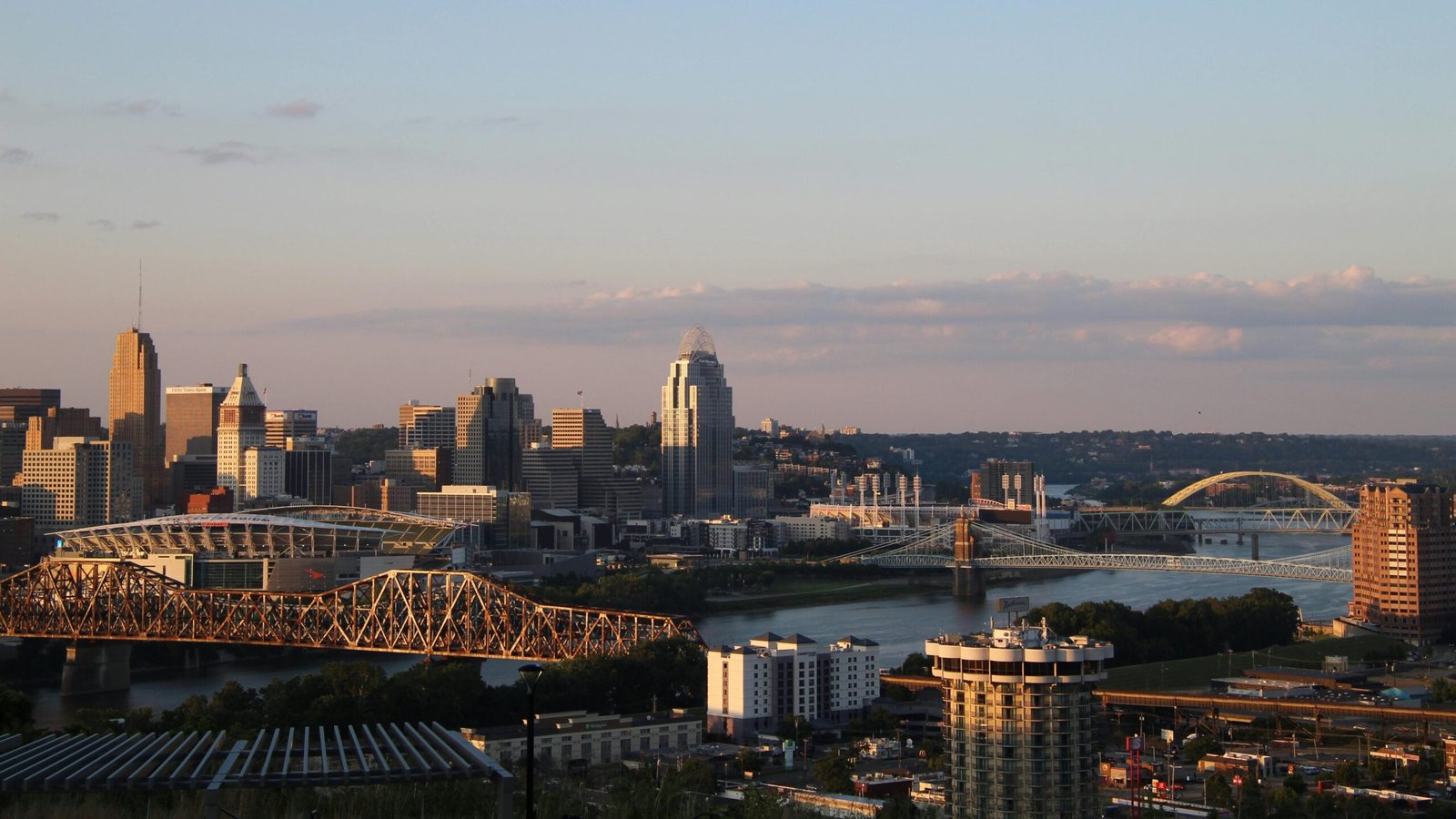
Ohio comes in at 44th with a score of 35.04, reflecting Rust Belt economic shifts that influence employment consistency in certain regions. While community volunteering stays strong, higher leisure time and occasional work gaps contribute to the ranking.
California

California ranks 45th with a score of 34.57, impacted by notorious traffic congestion and gig-economy pressures that lead to burnout for many. High multi-job rates exist, yet overall engagement dips due to lifestyle factors and cost-of-living stresses.
New York

New York sits at 46th with a score of 34.19, where extreme commutes and urban intensity sometimes result in lower engagement scores despite the famous hustle in parts of the city. High leisure usage and varied employment patterns play a role.
Nevada

Nevada ranks 47th with a score of 33.87, largely because tourism-driven irregular shifts in Las Vegas create unique work patterns rather than standard long weeks. Higher leisure time aligns with the entertainment focus, though the 24/7 environment demands flexibility from workers in hospitality and service industries.
Rhode Island
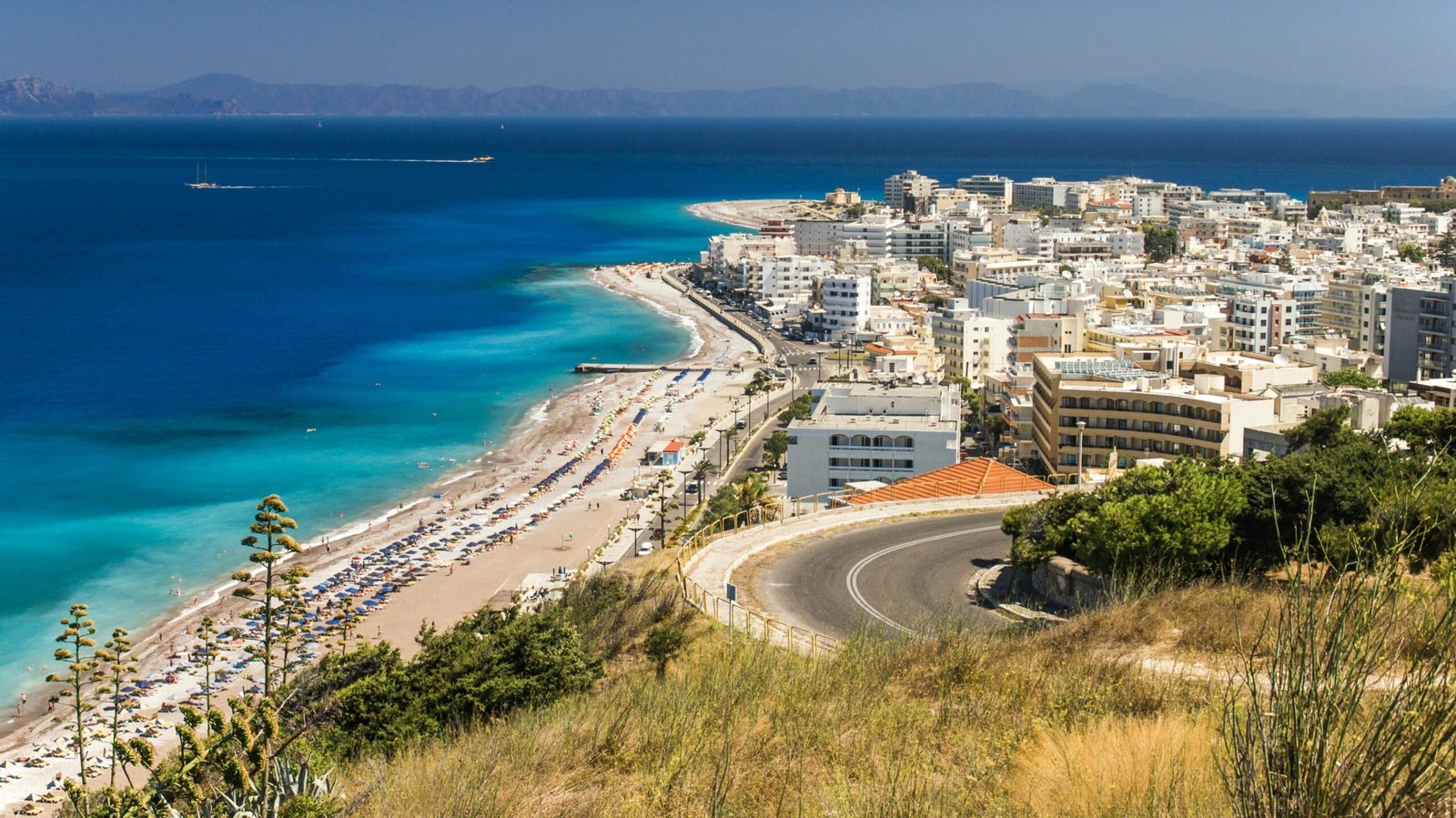
Rhode Island places 48th with a score of 33.56, benefiting from its compact size and coastal charm that encourage more downtime by the water. Leisure activities rank higher here, contributing to lower direct work factor scores.
West Virginia

West Virginia ranks 49th with a score of 33.18, influenced by economic challenges in traditional industries that affect employment consistency. Higher leisure time supports outdoor pursuits like hiking and family activities in the Appalachian region. Community strength remains evident despite lower overall work metrics in the study.
Michigan

Michigan finishes last with a score of 29.35, impacted by historical auto industry fluctuations that influence employment and engagement levels. Higher vacation usage and leisure time near the Great Lakes appeal to many residents.
