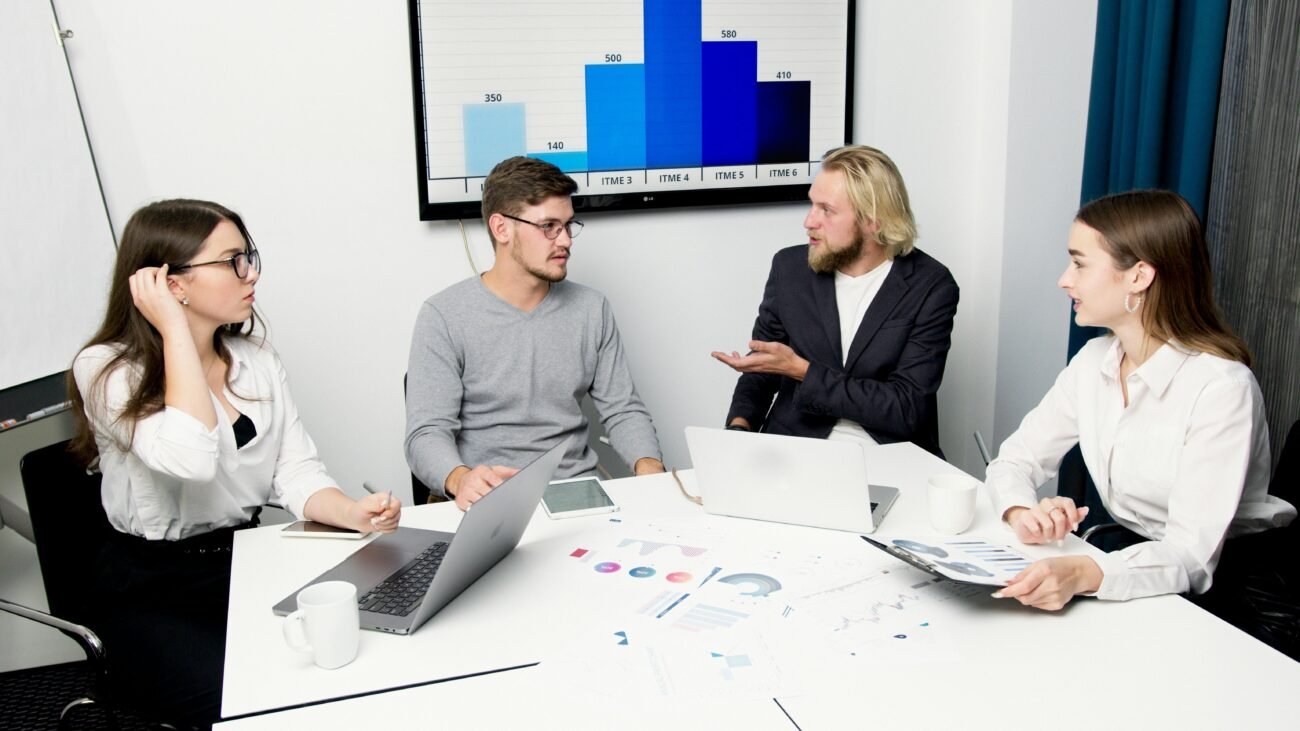
Out of nowhere, artificial intelligence has slipped into daily office life. Not just for coding or math stuff anymore – it’s shifting how firms bring people on board, keep teams moving, tight timelines together. Driven by numbers, machines sort through piles of info, handle boring repeat jobs, even guide big choices. With pressure rising and speed mattering more, smart software pushes managers ahead, eyes fixed further down the road. Yet every gain tugs at older truths – what abilities count now, who does what next to a robot brain, how teamwork bends when algorithms join the room.
Smarter Hiring Tools

Out of nowhere, some firms now rely on artificial intelligence to sort through job applications. Suddenly, software scans piles of resumes, spotting people who fit what the role needs. Instead of waiting days, hiring teams get fast signals about which backgrounds line up.
Faster Recruitment Process

Out of nowhere, some tools run on artificial intelligence to speed up first steps in hiring. Resume screening? That part moves quicker than before. Matching applicants to roles happens without slow manual checks.
Data-Driven Decisions
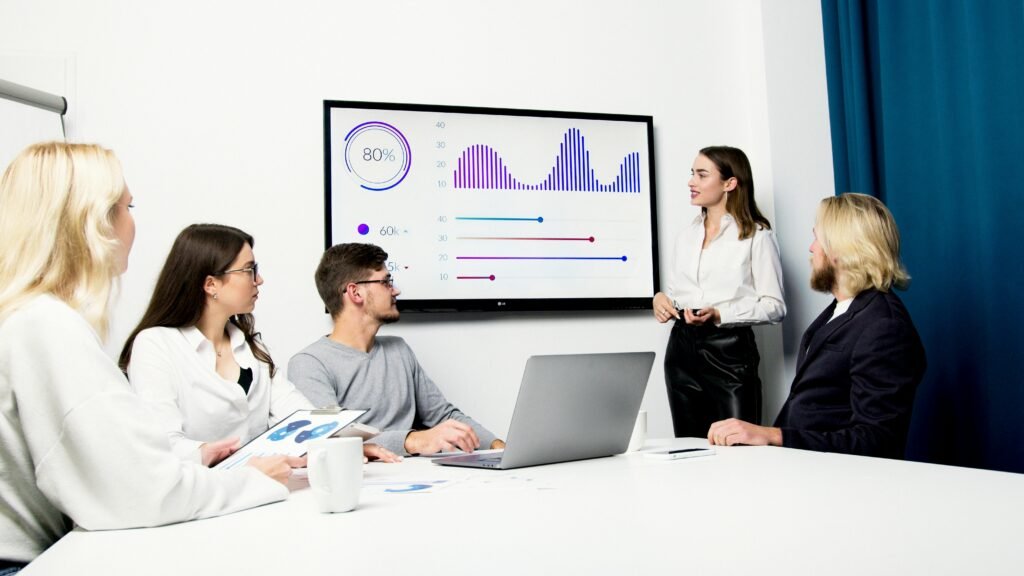
From spotting patterns in employee output to understanding staffing gaps, companies now rely on artificial intelligence. Because of this shift, leaders shape teams based on clearer insights into productivity trends.
Boosting Workplace Productivity
When machines take over routine jobs like filling forms, setting meetings, or pulling reports, people gain time. Because of that, workers shift toward thinking up ideas and planning ahead.
Better Workforce Planning
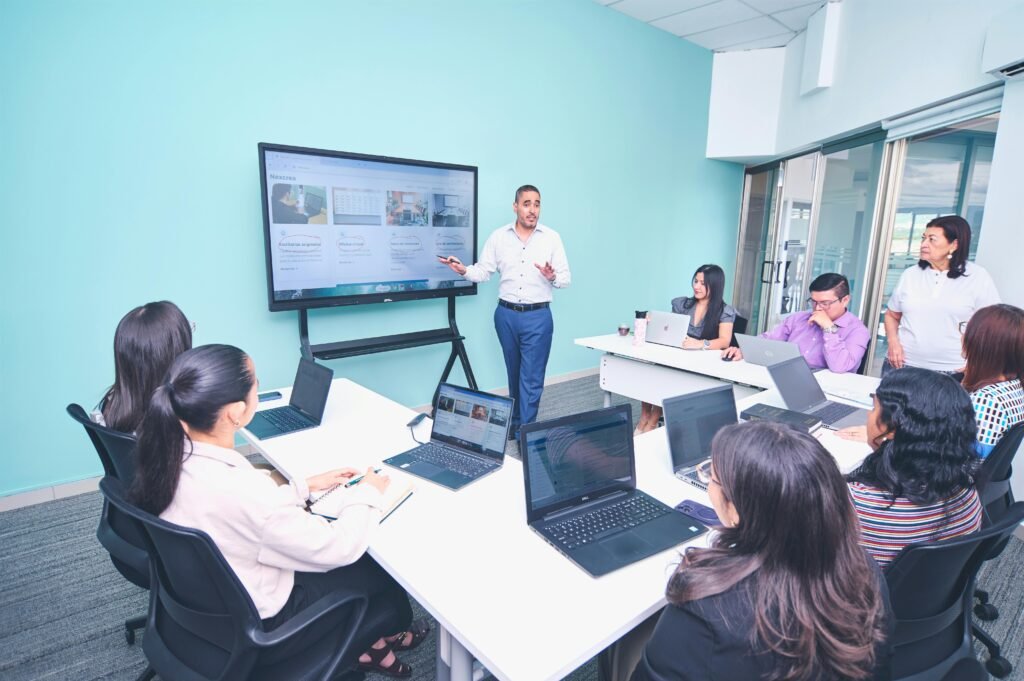
From patterns in how teams perform, machines spot shifts in output and effort. Because of these insights, businesses adjust who they bring on board, balance tasks across staff, then estimate what help they’ll need later.
Supporting Business Strategy

Most top managers now turn to artificial intelligence for guidance during strategy meetings. Because it forecasts patterns, decision makers see shifts in demand before they happen.
Changing Skill Requirements

Folks who can think clearly about data now stand out, since machines handle routine tasks more each day. Workers good at spotting patterns matter more, because smart software changes how teams get work done.
Humans and technology in balance
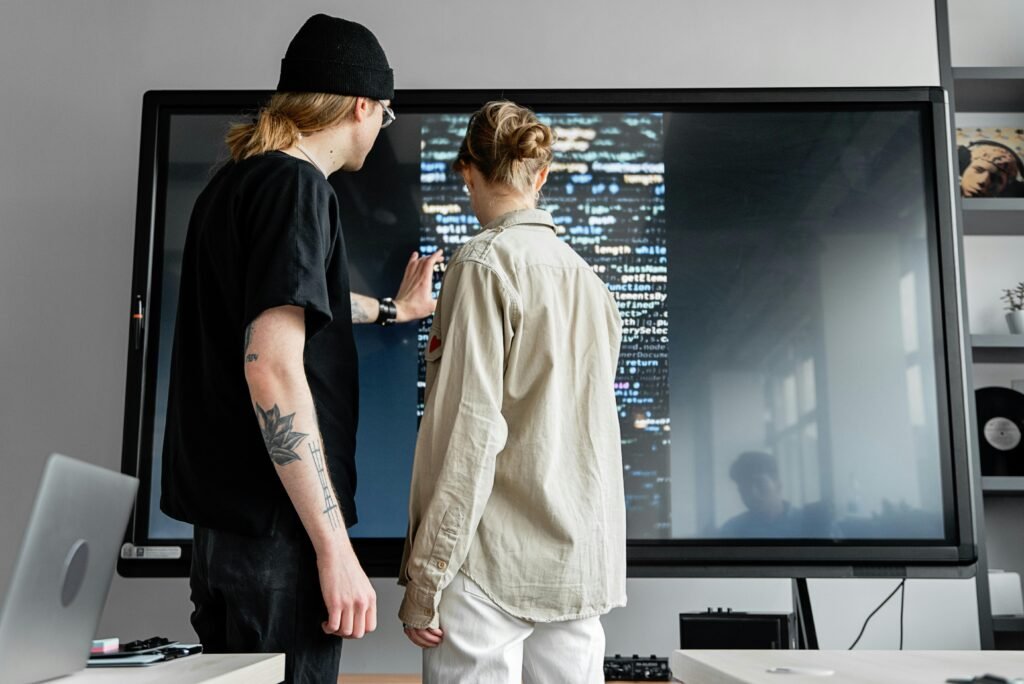
Even when machines speed things up, people stay in charge of big choices, original ideas, one small step at a time. Leadership leans on experience, not algorithms, especially where outcomes twist unpredictably.
Concerns About Bias

Nowhere near perfect, some tools learn human prejudices from old hiring records. Firms adjust behind the scenes so choices feel clearer, less skewed.
The Future Workplace
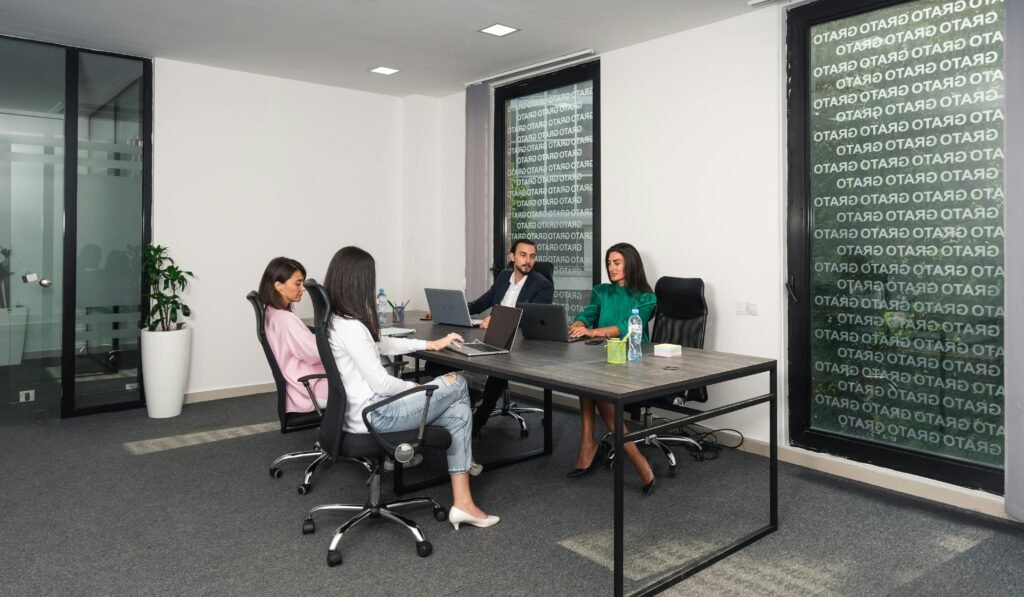
One step ahead, some offices now lean on smart software to handle routine tasks. When systems learn patterns, fewer errors slip through. Think of reports written by machines instead of people. Some teams redesign roles just to fit new tech rhythms.
