
Year after year, the debate over fixing schools goes in circles. Officials announce new policies, technology appears in classrooms, and hopes for progress rise — then fade just as quickly. The trouble lingers beneath the surface: students, parents, and even teachers sense it. Plenty graduate with diplomas in hand yet feel unprepared when real life hits. Teachers are stretched too thin, students tune out because lessons don’t connect, and employers keep saying graduates lack basic skills. The truth sits in plain sight, but nobody acts on what everyone sees. Real change would mean tearing apart routines built over decades — messy, exhausting work. That discomfort is exactly why most people choose talking over doing.
Outdated Curriculum
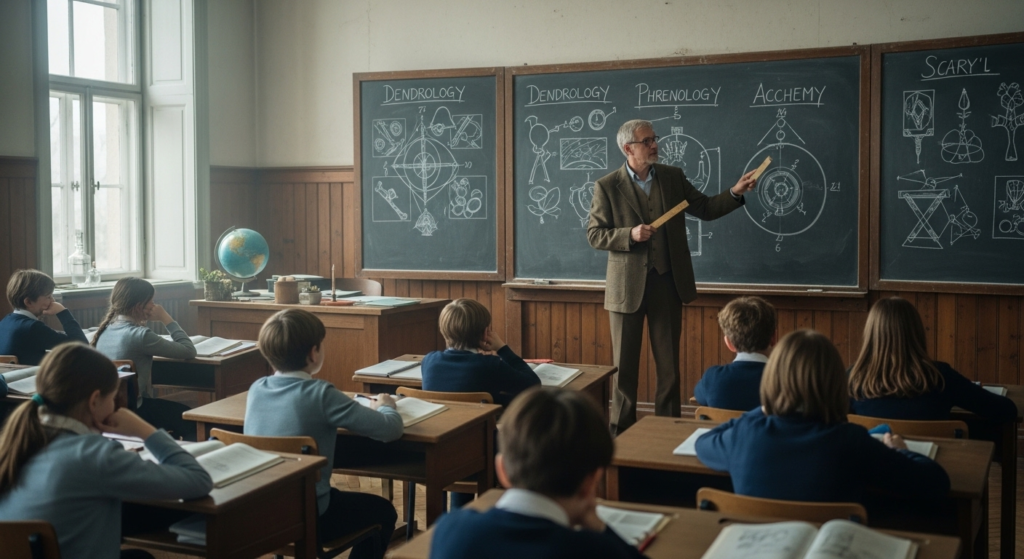
Many schools still teach lessons designed decades ago, for a world that no longer exists. While technology reshapes nearly every industry around them, classrooms keep circling the same rote material instead of building the hands-on abilities students will actually need. The gap between what school teaches and what life demands keeps widening — and students notice, even if the system doesn’t.
Memorization Over Thinking
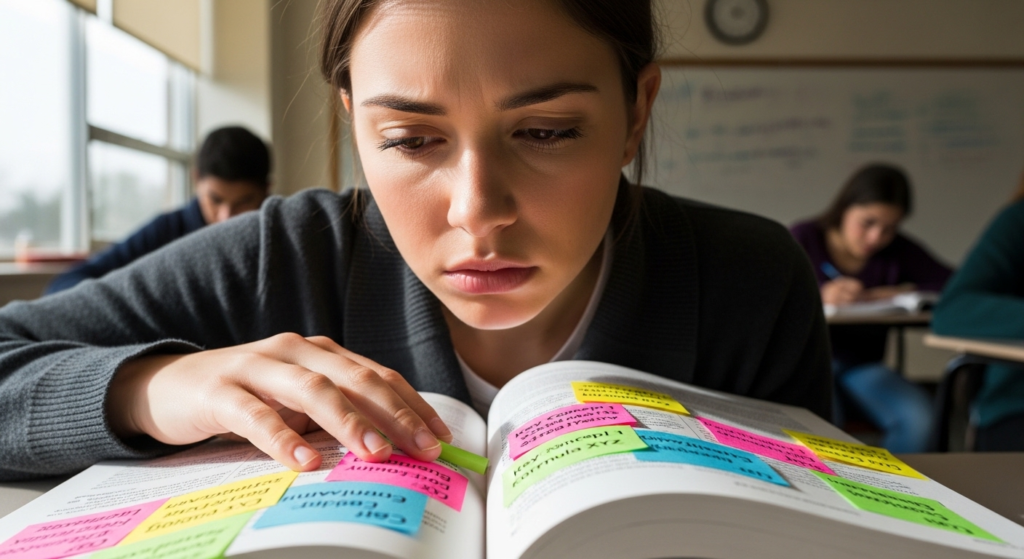
School systems reward students who recall facts quickly, but true comprehension often takes a back seat. Tests measure how well someone memorizes rather than how deeply they think — so students optimize for recall instead of understanding. The result is graduates who can recite information but struggle to analyze, question, or apply it. Memory is useful; it’s just not the same as thinking.
One-Size-Fits-All Learning

Some students grasp concepts instantly while others need more time — yet the system treats everyone identically. Quick thinkers sit bored while the lesson crawls; slower learners feel pressure building as the class moves on without them. Minds work in different ways, but the factory model of education processes them all on the same conveyor belt. Nobody thrives in a system designed for an average student who doesn’t exist.
Ignoring Real-World Skills

Schools routinely skip the practical skills adult life actually requires: managing money, communicating clearly, resolving disagreements, solving unexpected problems. Students can graduate with honors yet have no idea how to file taxes, negotiate a salary, or handle a workplace conflict. After graduation, plenty of capable young adults stumble — not from lack of intelligence, but because nobody ever taught them to handle everyday responsibilities.
Pressure to Score Marks

It’s all about the marks now. Students learn to chase top numbers instead of asking questions or exploring what genuinely interests them. Curiosity becomes a liability when it doesn’t show up on the test. School starts to feel like a race nobody asked to join — one where the prize is a grade and the cost is any love of learning students might have had.
Overworked Teachers
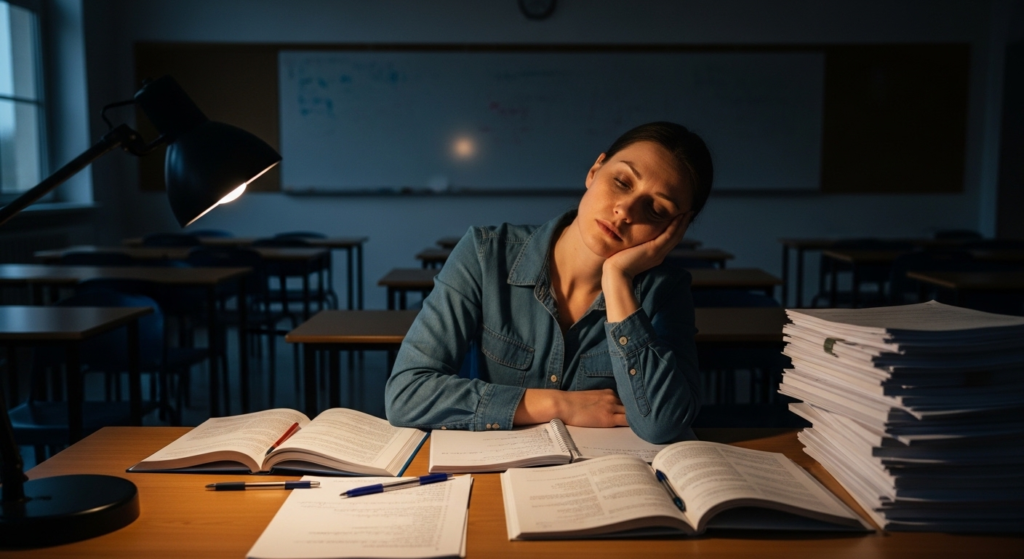
Teachers face crowded classrooms, mountains of paperwork, and relentless pressure to deliver results — all while being paid far less than their effort deserves. The administrative burden keeps growing while classroom support doesn’t. Those who care most deeply about teaching feel the weight heaviest, and many burn out or leave entirely. A system that exhausts its teachers can’t help but fail its students too.
Fear of Failure

In school, a single misstep brings punishment rather than a chance to learn. Poor results shape report cards, reputations, and which doors stay open later — so fear takes root early. Students learn to avoid risk instead of embracing it, choosing safe answers over bold ideas. But failure is how humans actually learn; a system that treats it as shame produces graduates afraid to try anything uncertain.
The Degree Obsession

Success, we’re told, depends on a diploma. Chasing that belief, countless students enroll in expensive programs with no guarantee of employment afterward. The result is often disappointment sitting beside growing loan balances. Meanwhile, skilled trades, entrepreneurship, and alternative paths — which can lead to fulfilling, well-paid careers — get treated as consolation prizes. The degree isn’t worthless, but the obsession with it as the only valid path does real harm.
Slow System Change
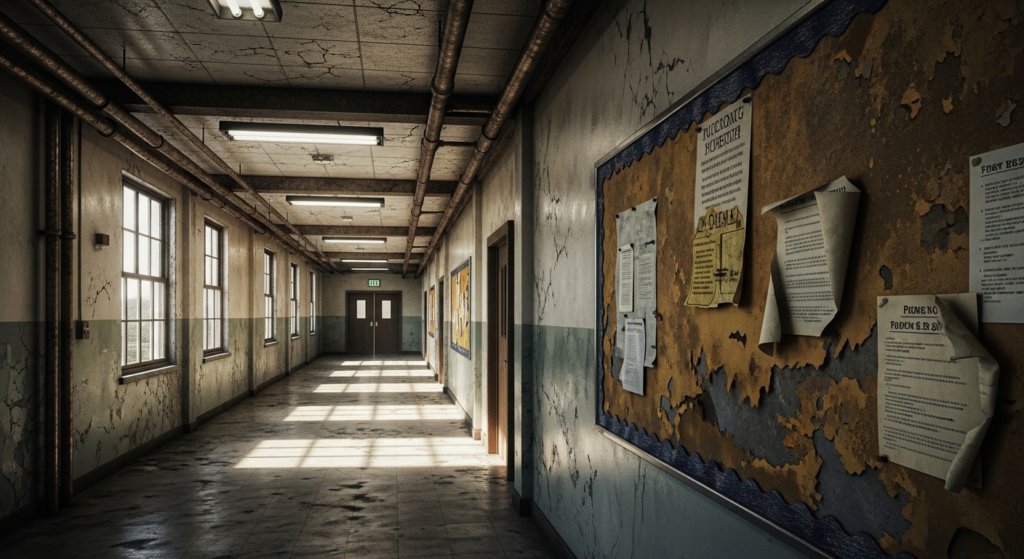
Education systems move at a glacial pace. Everyone can see the cracks, yet layers of bureaucracy stretch every fix into years — sometimes decades. Pilot programs, committee reviews, political battles: by the time a reform finally arrives, the problem has evolved. The system isn’t just slow to change; it’s structurally designed to resist change, with incentives that reward compliance over improvement.
Comfort in Staying the Same

Perhaps the deepest problem is that too many groups benefit from things staying as they are. Testing companies profit from the exams, universities thrive under the current admissions model, and administrators build careers managing the existing machinery. Real disruption threatens all of it. So the system protects itself — and the conversation about fixing education continues, year after year, while nothing fundamental changes.
