
Most of the purchases that are made daily appear to be small or even harmless, yet they might slowly drain your pocket over the long run. These are costs that end up being habits, and thus, they are easily forgotten. Learning what is not worth much over time, one is able to make smarter choices in spending and enhance finances.
Unused Subscriptions
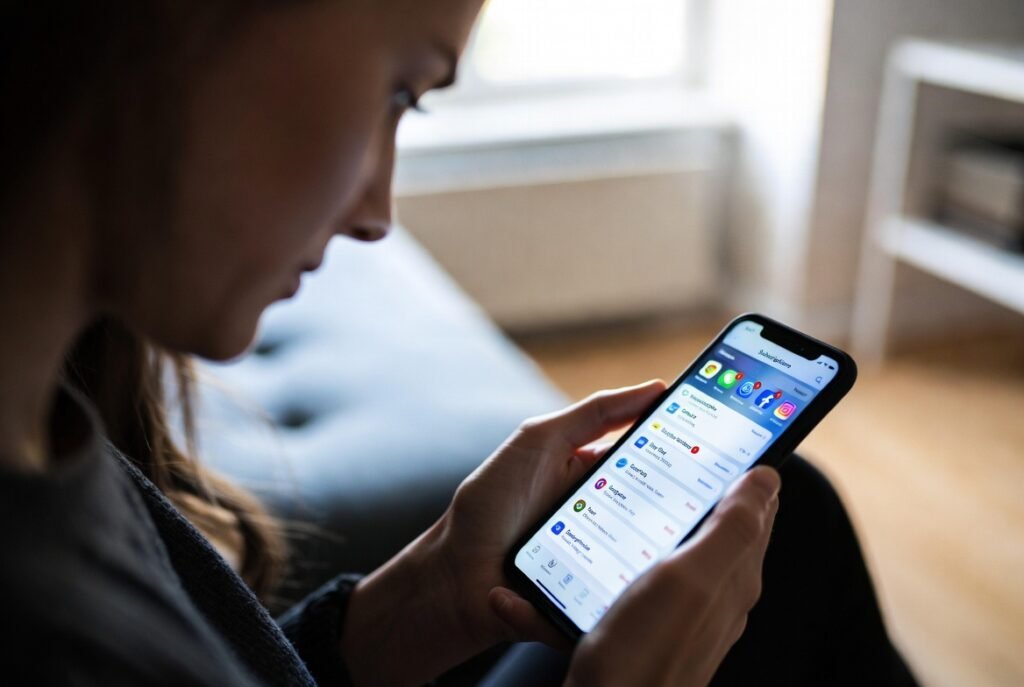
The subscription services are handy but are usually forgotten. Streaming services, applications, and subscriptions can still charge subscriptions after not being used often. These minor recurrent expenses accumulate in the long run and decrease the savings.
Often Takeout and Delivery
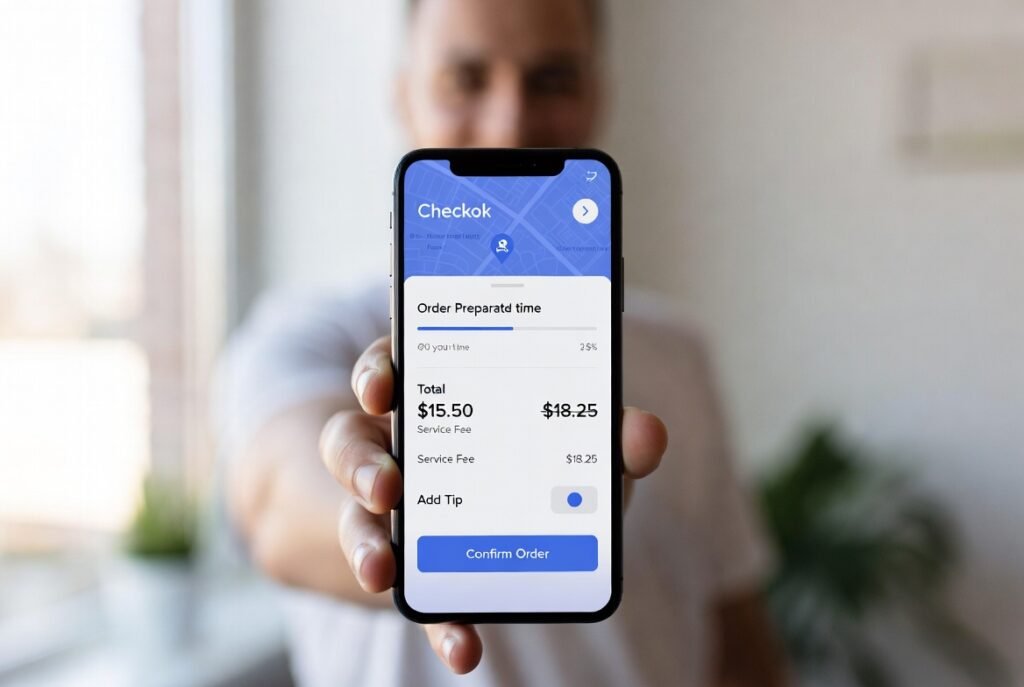
It is often costly to order food as opposed to cooking at home. Delivery costs, service costs and tips are added to the total cost. Whereas occasionally convenience is acceptable, frequent use of takeout may be a financial burden. Cooking at home would save money and help to eat better and avoid unnecessary expenses.
Extended Warranties

Long-term warranties are usually more expensive than they claim to fix. There are several products which already have basic warranties or low repair risks. There is a possibility that paying more for extended protection does not give true value.
Brand-Name Products

The prices of brand-name products tend to be much higher than those of generic products. Store-brand products have a similar quality and are cheaper in most cases. Branding is a waste of money that ought to be spent on something that adds value to the money.
Impulse Purchases
Impulse purchase causes the expenditure on things that are seldom utilised or easily forgotten. The buying habits are usually a result of discounts or a feeling. Impulse buys as time goes by, lower savings, and they cause more clutter.
Daily Coffee Shop Visits
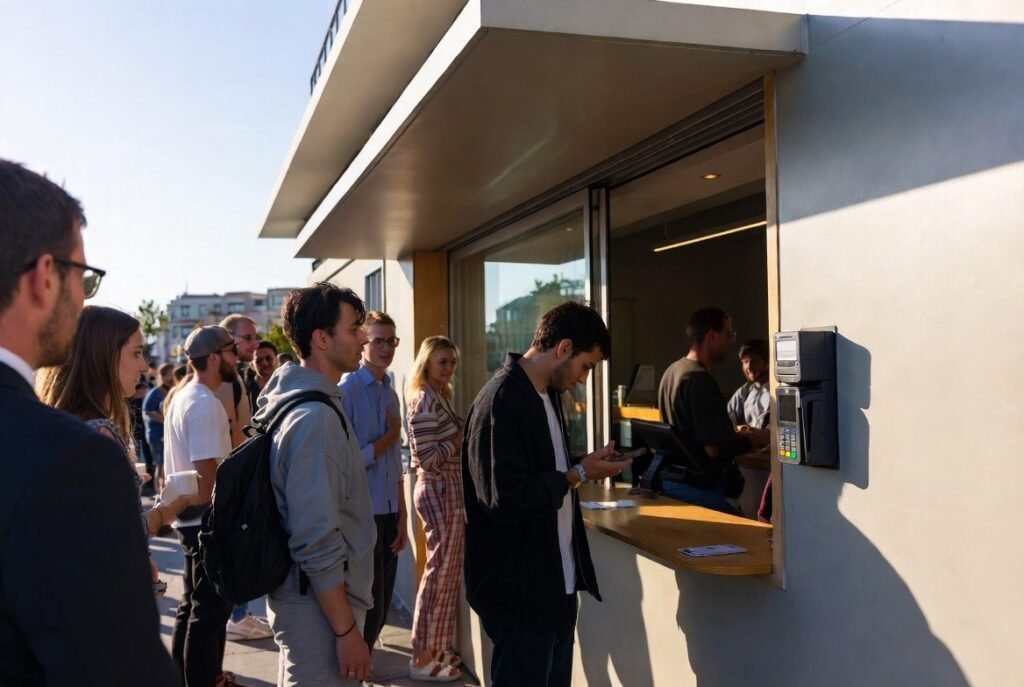
It can appear cheap to purchase coffee every day, but the price is accumulated over months and years. Cooking coffee at home is much cheaper and has the same pleasure. Visiting coffee shops regularly may be an experience that can be observed to be reduced to save noticeable time, without sacrificing comfort and routine.
Upgrading Devices Too Often
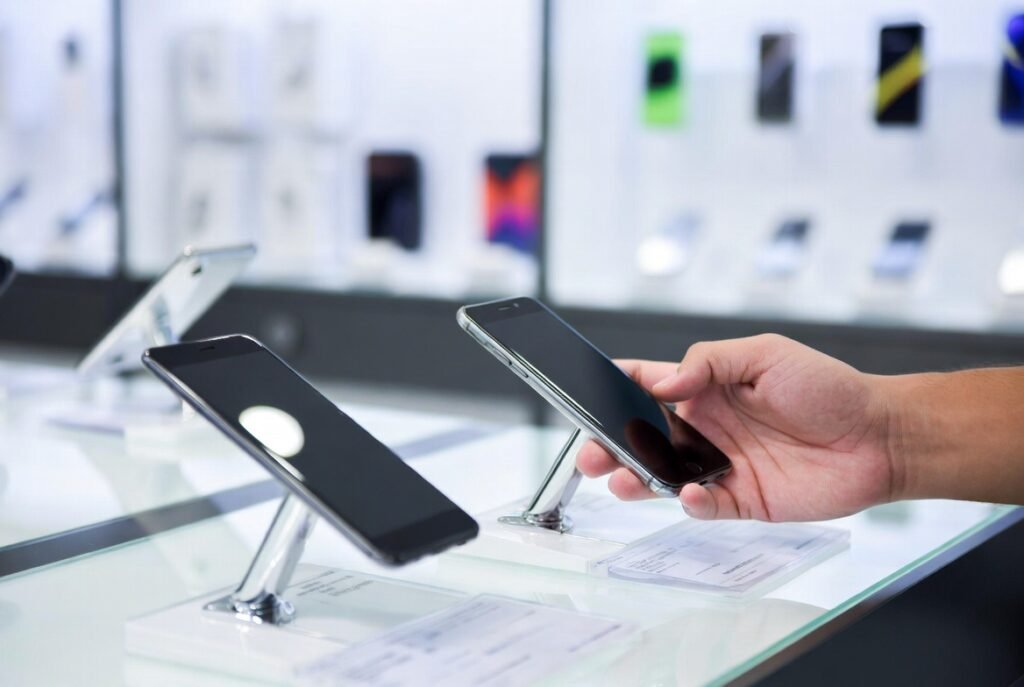
Regularly upgrading smartphones, laptops/gadgets may be expensive. There are numerous devices that outlive their upgrade period. Early replacement does not usually contribute much to day-to-day use. Prolongation of device life saves money and minimises unwarranted expenditure.
Premium Cable Packages

Cable or TV packages of premium versions only tend to contain channels that are not watched. Such services are costly and unnecessary to many households. Replacing the basic plans or streaming options may reduce the monthly payments and still offer entertainment options.
Gym Memberships Not Used
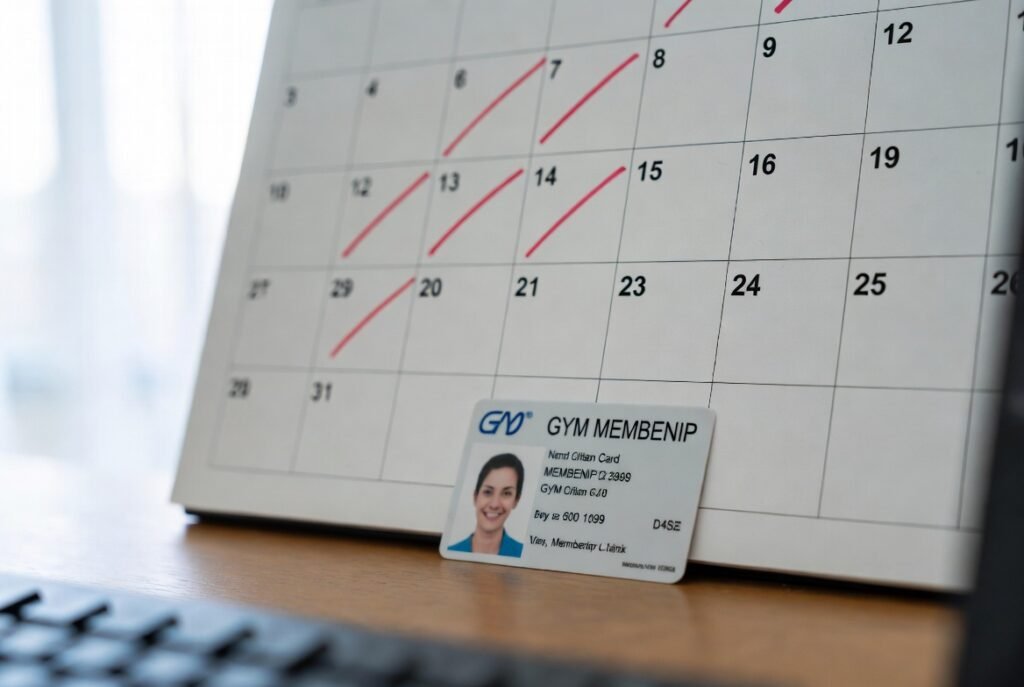
Membership in gyms is not used extensively. Even when attendance declines, there are monthly fees. When routines of exercise are altered or aborted, then these expenses are wasteful. There can be money saved by doing home workouts or paying a fee on a per-use basis, and it may fit the lifestyle needs.
Convenience Fees
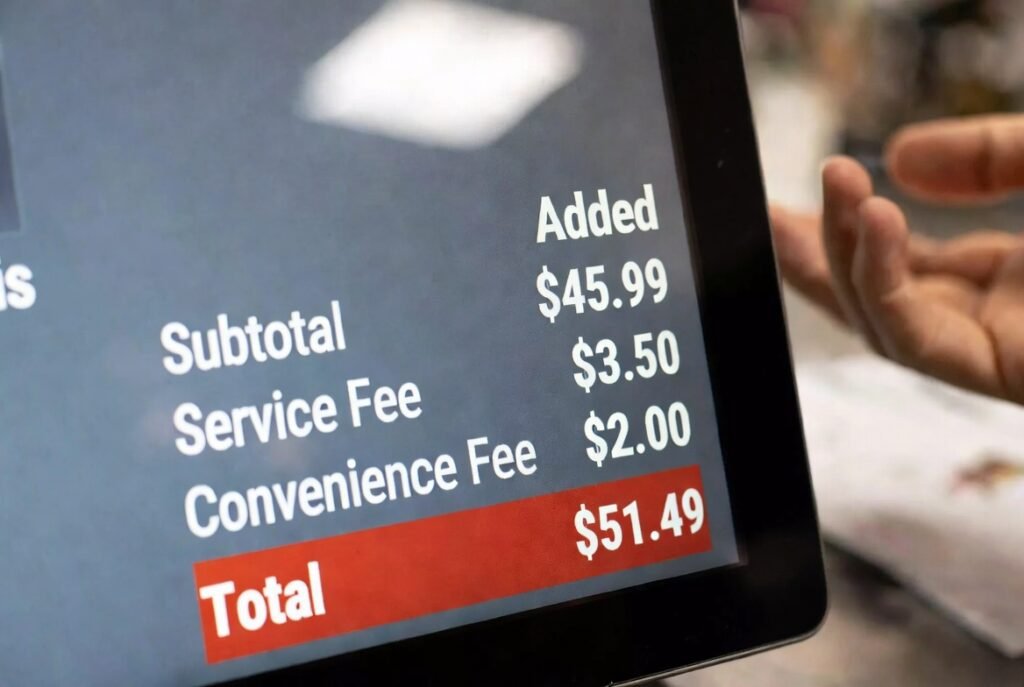
Quick services, instant payments or fast shipping are all convenient and end up costing a lot. Although this is at times beneficial, its usage is costly when used regularly. These additional costs can be minimised by planning and making standard choices without a great deal of inconvenience.
Trend-Driven Fashion

Fashion industries are dynamic, and this makes a lot of purchases temporary. Fashions tend to die quickly, and trendy clothes are not necessarily used frequently. Perennial, multi-purpose items are worth buying and spending less on as opposed to purchasing stuff that can only be used on selected occasions.
Bank Fees and Penalties
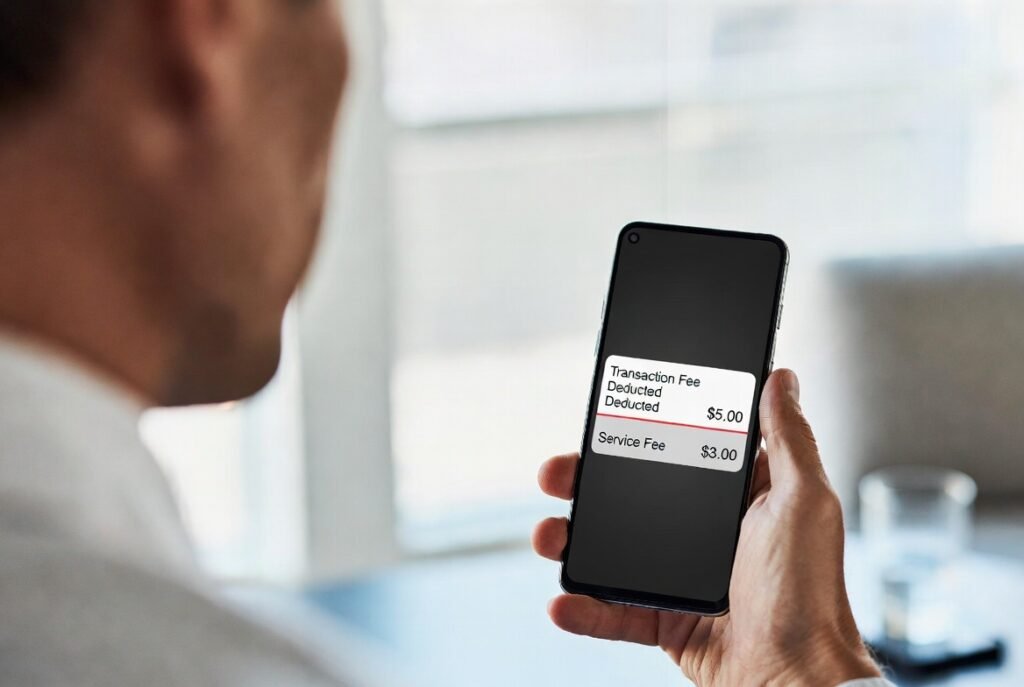
Unnecessary charges to the bank include low-balance bank fees, overdrafts, and late payments. These are charges that have no advantage and minimise savings. Tracking of accounts and bank policies allows for avoiding unnecessary charges and increasing financial efficiency.
