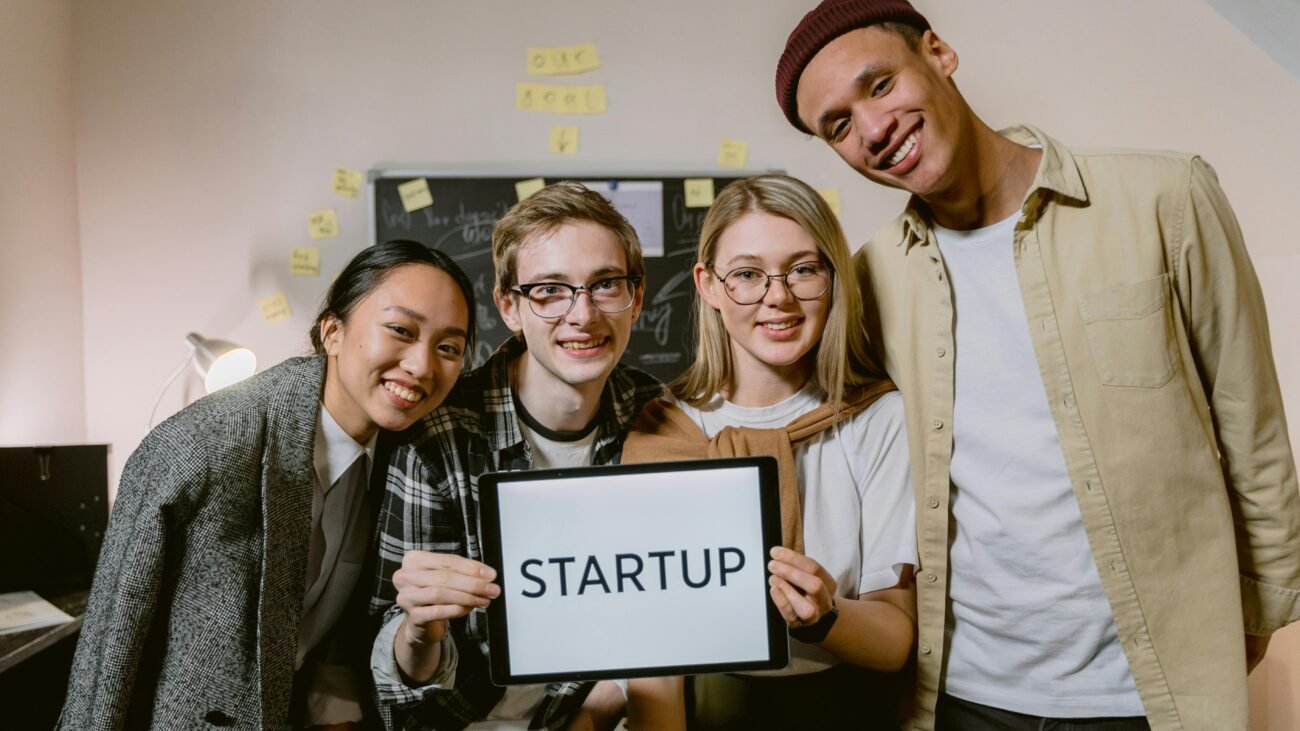
Startup culture has become one of the defining traits of the modern global economy — and the United States still sets the standard. From Silicon Valley to rising tech centers across the country, America has built an environment where ideas become companies with remarkable speed. Deep venture capital, a culture of innovation, and a tolerance for risk have kept the U.S. at the forefront of the startup world. Founders from everywhere look to America as the place to build something breakthrough. Here is what keeps it there.
Culture of Innovation

Innovation sits at the core of America’s startup ecosystem. Founders are encouraged to challenge established industries, experiment with unproven ideas, and build solutions nobody asked for yet. That permission to disrupt — backed by customers willing to try new things — has produced companies that reshaped entire sectors. Innovation here is not a buzzword; it is the operating system.
Access to Venture Capital

America’s funding engine is unmatched. Venture capital firms deploy enormous sums into promising startups, giving founders the resources to build products, hire teams, and compete globally before revenue catches up. That willingness to bet big on unproven ideas is rare elsewhere — and it is why ambitious founders so often end up raising money in the U.S., even when they started somewhere else.
World-Class Universities
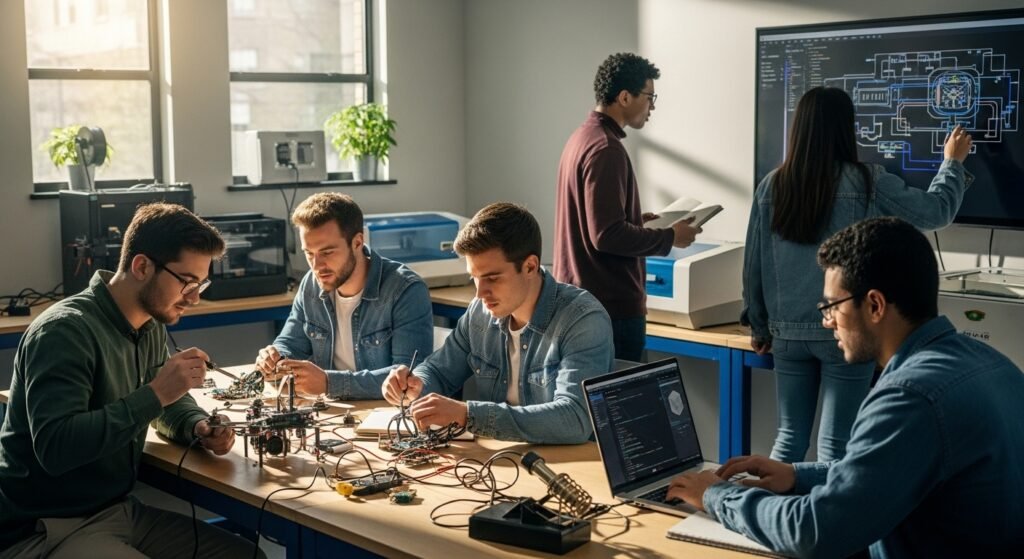
American universities are startup factories. Stanford, MIT, Harvard, and dozens of others do not just educate — they produce founders, fund research that becomes companies, and connect students directly with investors and industry leaders. The pipeline from lab to startup is short and well-traveled. Many of the world’s most important companies began as someone’s thesis project.
Thriving Tech Hubs

Silicon Valley may be the original, but it is no longer alone. New York, Austin, Boston, and a growing list of other cities have become vibrant startup centers, each with its own character. These hubs concentrate what founders need most: networks, mentors, experienced hires, and investors — all within a few square miles. Density creates serendipity, and serendipity creates companies.
A Strong Entrepreneurial Spirit

Starting a company in America is treated as a legitimate career — even an admirable one. Entrepreneurship is celebrated in media, taught in schools, and encouraged by families in a way that is unusual globally. That cultural endorsement matters: it gives talented people permission to take the leap. When society applauds founders instead of pitying them, more people try.
Embracing Failure

America’s relationship with failure is its secret weapon. A failed startup is widely seen as education, not disgrace — founders who flame out are often funded again, wiser this time. That safety net for risk-takers changes the math: when the downside of trying is a good story and the upside is enormous, rational people try more often. More attempts mean more breakthroughs.
A Favorable Business Environment

A dense support system surrounds American startups: accelerators, incubators, mentorship networks, and founder communities in every major city. These organizations compress years of learning into months, helping young companies dodge common pitfalls. No founder has to figure everything out alone — the playbook is shared freely, and the community genuinely wants newcomers to win.
Diverse Talent Pool

America attracts ambitious people from everywhere, and that diversity fuels its startups. Immigrants have founded a huge share of the country’s most successful companies, bringing fresh perspectives, global networks, and relentless drive. A team that spans cultures and continents sees problems — and solutions — that a homogenous group would miss. Diversity is not just a value here; it is a competitive advantage.
Global Market Access

The U.S. offers startups something rare: a massive, wealthy domestic market plus a launchpad to the world. Companies can prove themselves at home, then expand internationally from a position of strength. Strong trade relationships and the global reach of American platforms make that second step easier. Build in America, sell everywhere — that is the playbook.
