
Generation Z is entering entrepreneurship in a way no generation before it could: fully digital from day one. Having grown up with smartphones, social media, and online platforms, young founders treat technology not as a tool but as the terrain itself. They are launching online stores, building content brands, and shipping apps — turning ideas into income faster than ever. With digital tools in hand and a global audience a click away, Gen Z is rewriting the rules of how businesses start and scale.
Starting Young

One of the most striking traits of Gen Z entrepreneurs is how early they begin. Teenagers and college students are launching real businesses between classes — testing products, finding customers, learning what works. Digital platforms make it possible to start tiny: no storefront, no inventory, no big investment. Young founders can experiment cheaply, fail quietly, and iterate fast — advantages traditional businesses never had.
Social Media as a Marketplace

Instagram, TikTok, and YouTube have become the storefronts of a generation. Gen Z entrepreneurs do not need physical shops; they market through content, build communities around their brands, and talk directly to customers in comments and messages. The economics are remarkable — a single viral post can turn an unknown product into an overnight success. Distribution, once the hardest part of business, is now free.
The Strength of Personal Branding
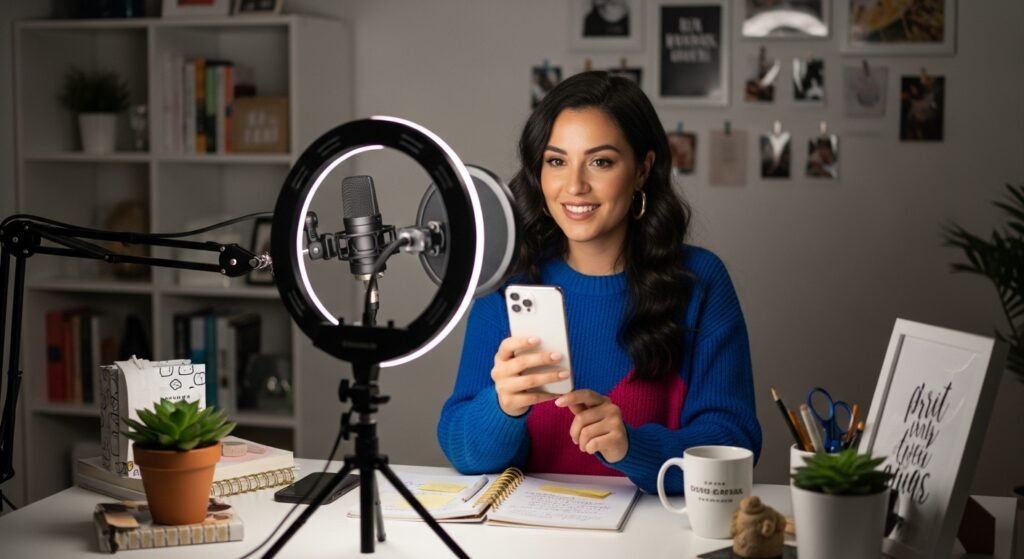
Gen Z founders understand that people buy from people. They build businesses around personality, creativity, and authentic voice — whether that is through content, digital art, or educational platforms. A strong personal brand creates trust before a single product is sold, and loyal audiences follow the founder as much as the offering. In a crowded market, identity is the differentiator.
Low-Cost Digital Tools
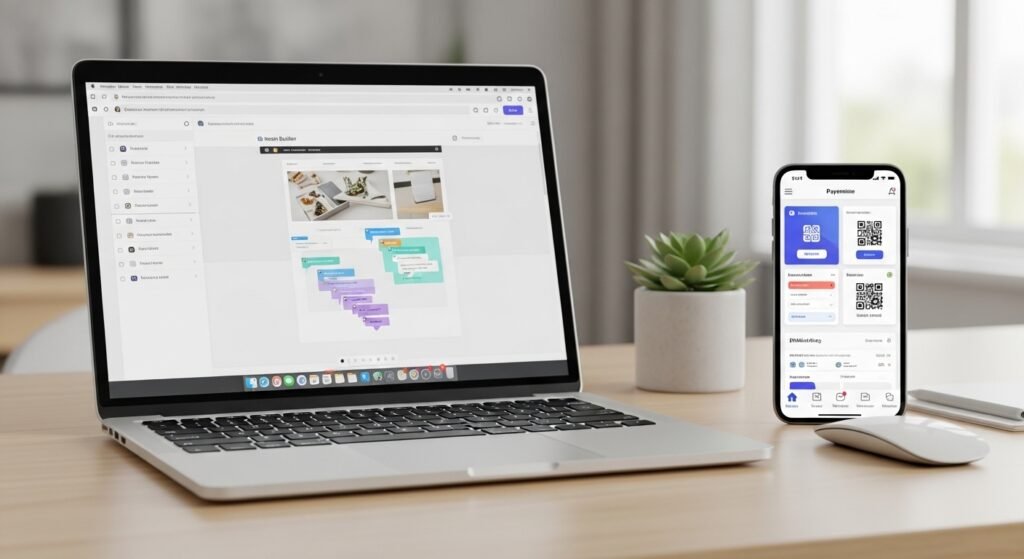
The cost of starting a business has collapsed. Website builders, payment processors, design tools, and marketing platforms are available cheap or free — and they run on a laptop or even a phone. Gen Z entrepreneurs assemble professional-grade operations from these tools without hiring anyone. What once required capital and staff now requires Wi-Fi and resourcefulness.
Side Hustle Culture

For most young founders, entrepreneurship starts as a side hustle, not a leap. They sell products online, freelance their skills, or run services alongside school or a day job — earning money while gaining experience. There is no dramatic quit-your-job moment; there is a gradual ramp. Many of these side projects quietly grow into full-time businesses.
Global Opportunities

Digital businesses do not respect borders. A Gen Z founder in one country can sell to customers in twenty others, taking payments online and delivering digitally. Marketplaces and payment infrastructure have made global commerce accessible to teenagers. Opportunities that previous generations could not reach — foreign customers, international collaborators — are now the default.
Internet-Based Learning

Gen Z learns business the Gen Z way: online. Courses, tutorials, and creator communities teach marketing, finance, and strategy on demand — often for free. Instead of waiting for a degree to authorize them, young founders learn what they need when they need it. The internet is not just where they sell; it is where they study.
Creativity Over Tradition

Where traditional entrepreneurs followed proven playbooks, Gen Z founders prize originality. They test unconventional ideas, invent new marketing formats, and build products that do not fit old categories. That creative instinct is partly generational culture and partly necessity — in saturated feeds, only the distinctive gets noticed. Standing out is not vanity; it is strategy.
Impact of the Creator Economy

The creator economy supercharged this generation’s entrepreneurship. Content creators, influencers, and digital educators discovered that audiences are assets — attention that can be converted into revenue through products, sponsorships, and services. Gen Z watched this happen in real time and absorbed the lesson: build the audience first, and the business follows.
Redefining Career Paths

Underneath it all is a deeper shift in what a career means. Gen Z is dismantling the idea that corporate jobs are the only legitimate path to success. Entrepreneurship — flexible, creative, self-directed — looks like the better deal to millions of young people. With digital platforms offering what feels like infinite opportunity, the question for this generation is not whether to build something. It is what.
