
Markets are seldom driven by headlines alone. Beneath the surface, quiet financial signals are constantly shaping the direction of stocks, currencies, and even entire economies. Ordinary investors usually overlook these pointers — yet they carry rich information about where money is moving and why. From bond yields to insider trading, these signals act as early warning systems for major market shifts. Understanding them doesn’t require complex formulas — just awareness and a sharper approach to financial behavior. For those willing to look deeper, these hidden messages often tell the story before it ever reaches the front page.
Yield Curve Clues

When short-term interest rates rise above long-term rates, it can signal economic stress ahead. This inversion has historically preceded recessions — a quiet but powerful sign of shifting market sentiment.
Insider Moves

When corporate executives buy or sell their own company’s shares, it can signal confidence — or concern. Heavy insider buying often hints at undervaluation, while selling can be a warning sign.
Unusual Volume

A surge in trading volume with no significant news can signal institutional activity. Big players move quietly — and volume spikes can reveal them early.
Credit Spreads

The gap between corporate and government bond yields reflects perceived risk. Widening spreads point to rising market anxiety; narrowing spreads signal confidence.
Currency Strength

A strengthening currency can indicate capital inflows and economic stability. Conversely, a weakening currency may hint at underlying economic trouble.
Commodity Trends
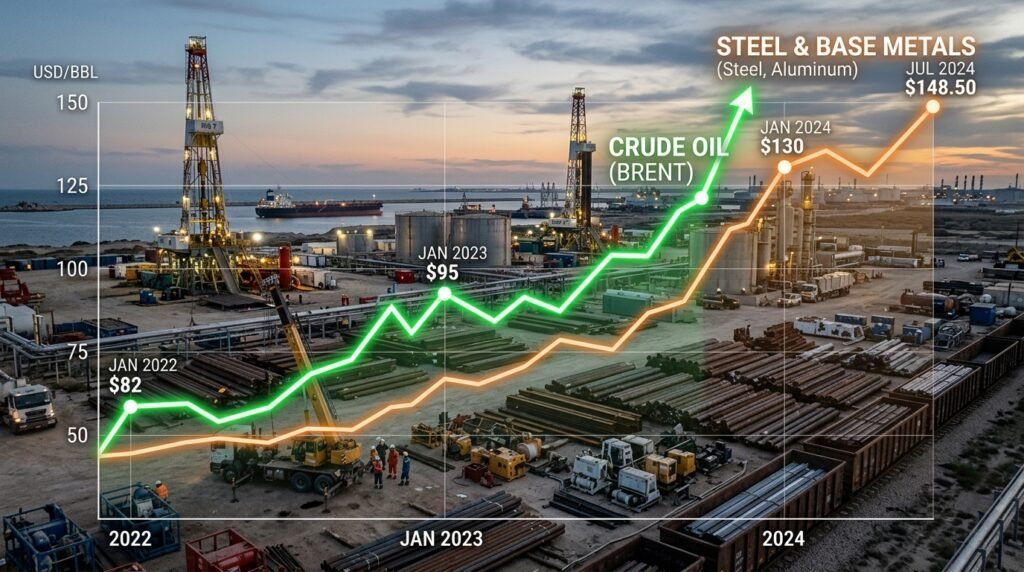
Rising prices for commodities like oil or metals often reflect growing industrial demand. These moves can foreshadow economic growth — or building inflationary pressure.
Options Activity

Unusual options trades — especially large bets on price moves — can signal coming volatility. Smart money often positions through options ahead of big shifts.
Liquidity Changes

Central bank actions quietly shape markets by expanding or shrinking liquidity. More liquidity tends to lift asset prices; tightening can trigger corrections.
Sector Rotation

When money flows from one sector to another — say, from technology to energy — it reveals shifting economic expectations. Watching these rotations can point to where growth is heading next.
Retail Sentiment

Social trends can trigger waves of retail investor activity that distort markets in the short term. These moves are powerful but often unsustainable.
Global Bond Signals

International bond markets send ripples across economies. Yield shifts in major economies influence global investment flows and risk appetite — often before equities react.
