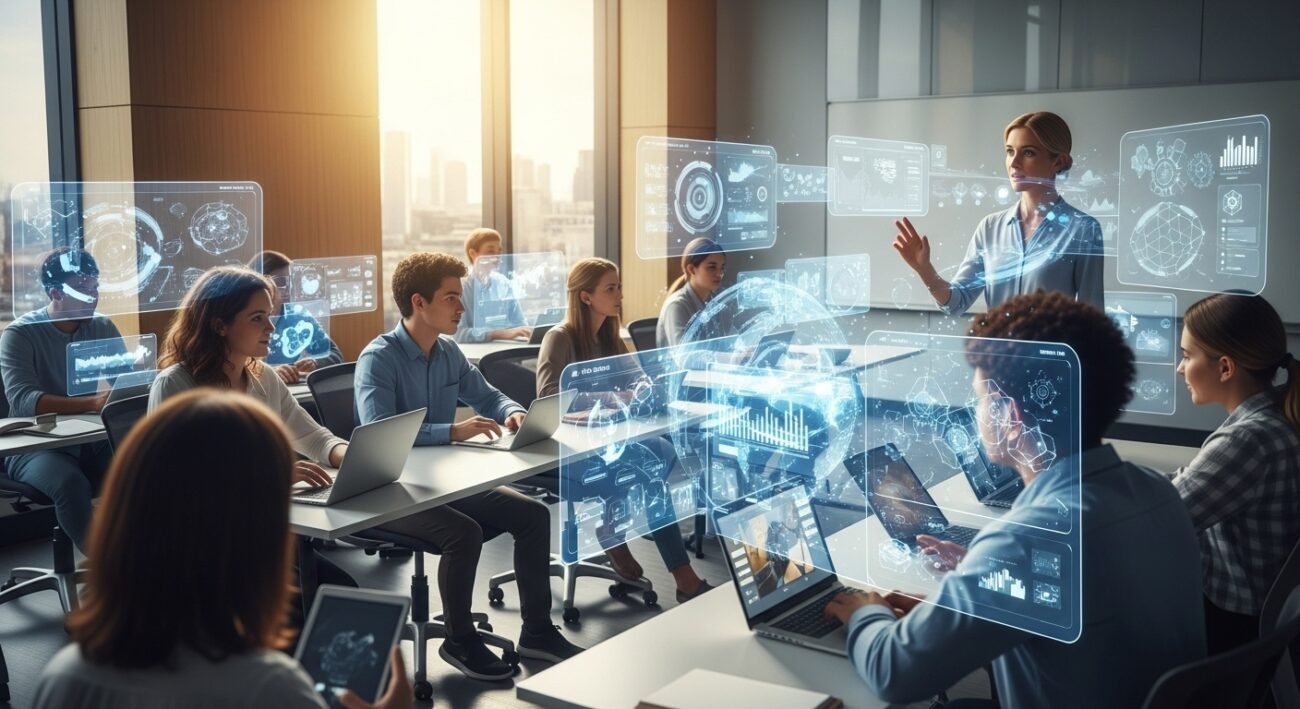
The digital age is moving education away from a one-size-fits-all model toward a system that is personalized, immersive, and accessible from anywhere. Classrooms are embracing advanced technology for self-paced learning and virtual hands-on training. The transformation promises to give future generations the critical thinking skills and digital literacy they’ll need to succeed in modern workplaces.
AI-Powered Personal Learning Paths

AI tutors can now act as round-the-clock learning companions, customizing materials to each student’s abilities and gaps. Adaptive platforms confirm a student has mastered one concept before moving to the next.
Gamified Learning for Better Engagement
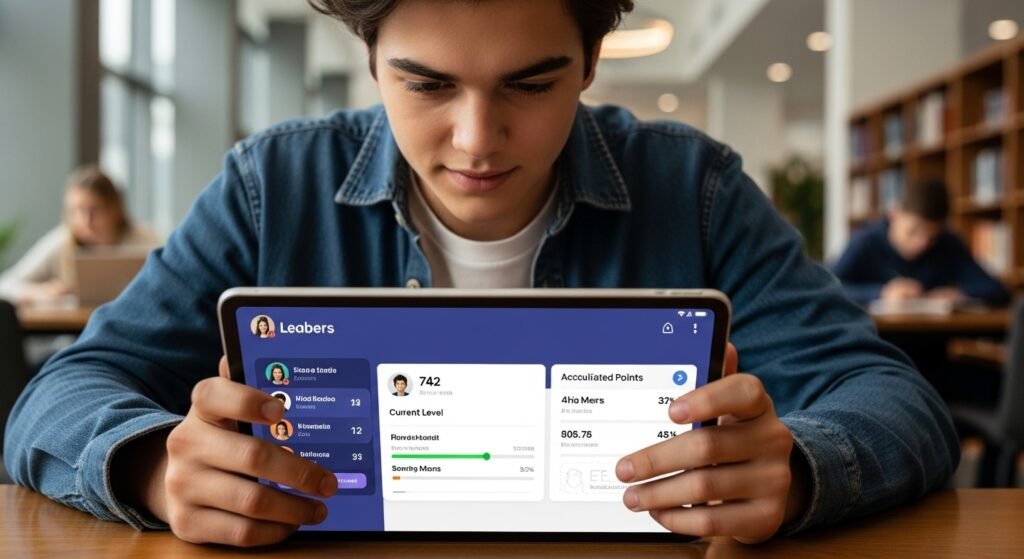
Educational apps use game mechanics — points, levels, leaderboards — to make studying more engaging. Language apps turn daily practice into a habit through streaks and rewards that keep learners coming back.
The Rise of Micro-Credentials

Micro-credentials are emerging as an alternative to traditional four-year degrees. Short programs — some completed in months — offer digital certificates in fields like data analytics that can improve job prospects.
Adaptive Testing and Assessment

Digital exams now adjust question difficulty based on a student’s answers. Test-takers get questions matched to their actual level — no more items that are far too hard or far too easy.
Global Collaborative Projects

Technology has erased the barriers to international collaboration. Students in different countries can now work on shared projects — a science class in one city teaming up with another across the world via video and digital whiteboards.
Blockchain for Secure Academic Records
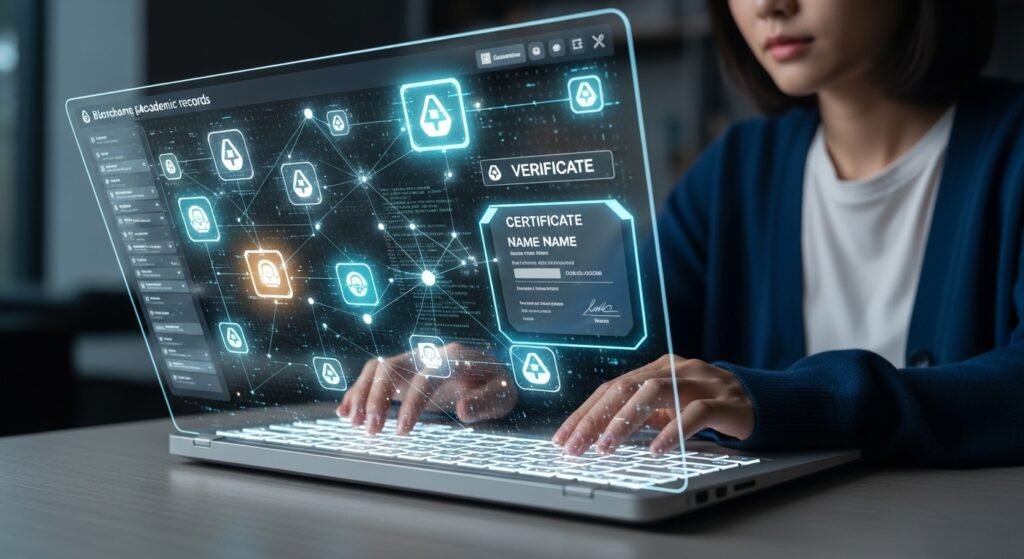
Blockchain technology can create tamper-proof digital transcripts. Students could share verified diplomas and grades directly with employers and universities — no paperwork required.
Artificial Intelligence for Teacher Support
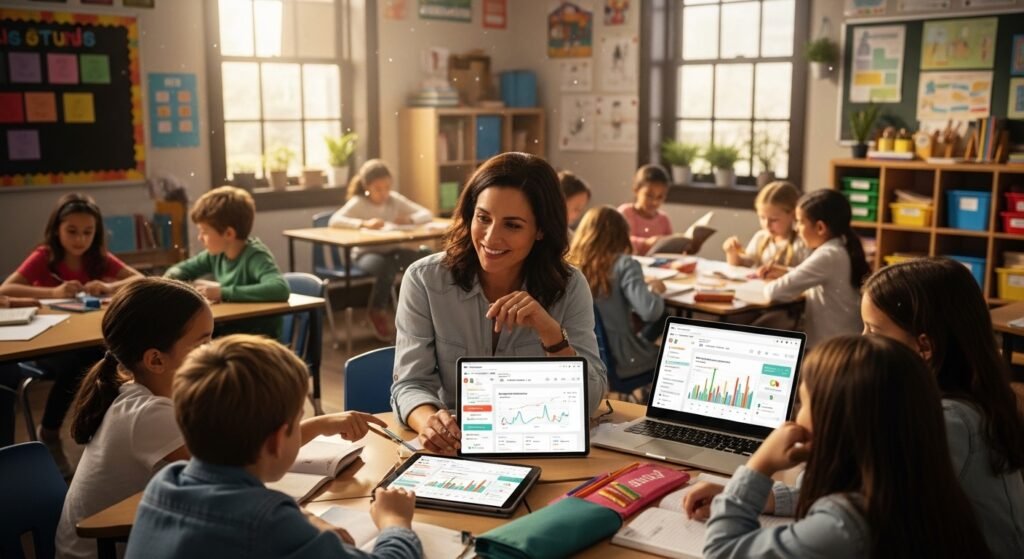
AI can handle administrative tasks — grading routine tests, managing schedules — freeing teachers to spend more time actually teaching and supporting students.
On-Demand “Just-in-Time” Learning
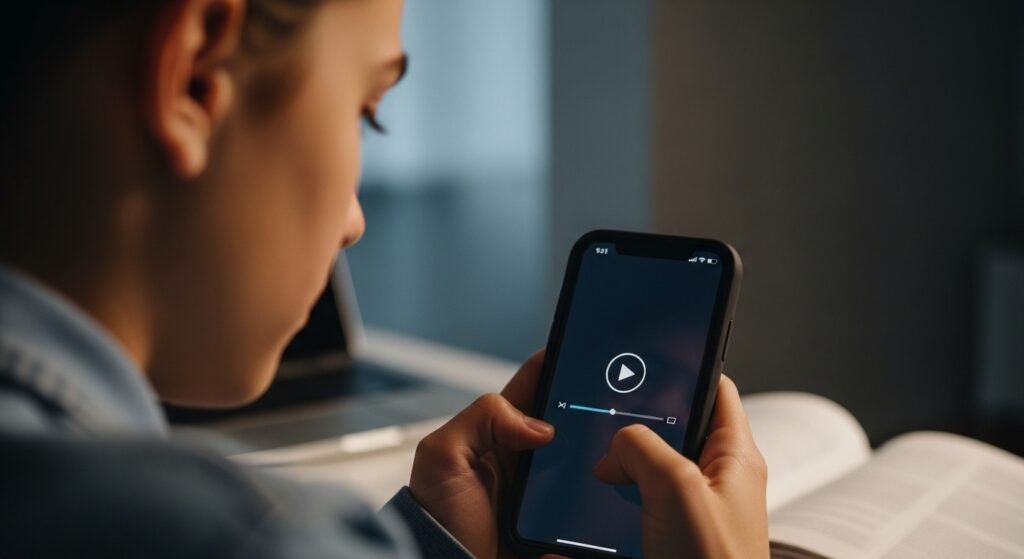
Students increasingly learn exactly what they need, the moment they need it. A quick two-minute video on fixing a computer replaces the hour-long lecture on hardware basics.
The “Infinite” Digital Library

The digital age gives every student access to the sum of human knowledge — open-access journals, digital archives, and research materials once reserved for elite institutions.
