
You don’t need a six-figure salary to feel financially secure — you need consistent habits. Small, repeatable money moves compound over time and separate people who build wealth from those who only earn it. Here are ten smart money habits that can transform your financial life.
Automate Your “Pay Yourself First”

The most effective way to save is to move money before you have a chance to spend it. Set up an automatic transfer that moves funds from checking to savings on payday — even a small amount becomes significant over time.
Perform a Monthly Subscription Audit

Streaming services, gym memberships, and apps you stopped using can quietly drain hundreds of dollars a year. Spend ten minutes each month scanning your bank statement and cancel anything that no longer adds real value.
Build a Mini Emergency Fund First
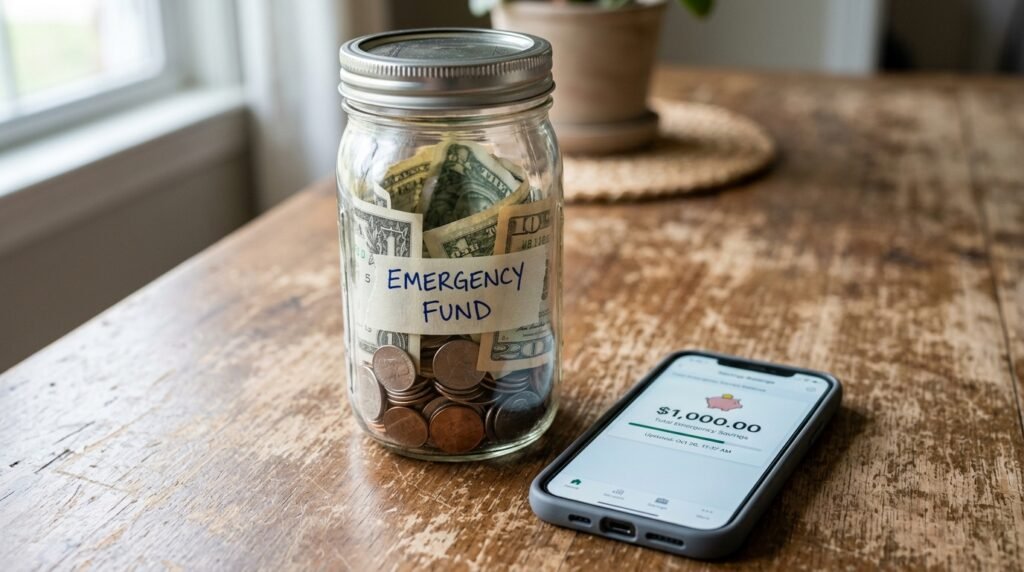
Before investing aggressively, save $1,000 for surprises like flat tires or broken appliances. That small buffer keeps minor emergencies from turning into high-interest credit card debt.
Wait 24 Hours Before Big Purchases

Impulse buying is a major wealth killer. Wait a full day before any non-essential purchase over $50 — the emotional urge usually fades overnight, saving you from “buyer’s remorse.”
Use the “Debt Avalanche” Method

Direct extra payments toward the debt with the highest interest rate while making minimums on the rest. This method minimizes total interest paid and can save you thousands over the life of your debts.
Track Your “Small Wins”

Money management gets more motivating when you can see progress. Track your net worth or savings balance in a spreadsheet or app — watching the number climb delivers the dopamine boost that keeps you disciplined.
Shop with a Purpose (and a List)

Never enter a grocery store or online shop without a defined list. It stops you from “grazing” the aisles and keeps spending locked to your actual budget.
Increase Contributions by 1% Annually

Funnel part of each raise or bonus into retirement or investment accounts. A 1% yearly increase won’t change your daily life, but compounding turns it into something substantial over decades.
Invest in Quality Over Price

The cheapest option is often the most expensive in the long run. One durable pair of shoes that lasts five years beats five cheap pairs that fall apart in months — evaluate purchases by “cost per use,” not sticker price.
Review Your Finances Weekly

Spend 15 minutes every Sunday morning reviewing your accounts — a regular “money date” keeps you focused on goals and helps you catch mistakes or unauthorized charges before they grow.
