
The bank account balance below $1,000 creates an experience which resembles walking on a financial tightrope. Experts predict that the 2026 job market will change because of persistent inflation which will cause people to fall into debt when they face unexpected car repairs or medical expenses. The “danger zone” requires you to protect your cash reserves instead of saving money.
Pause All Non-Essential Debt Payments

You should select savings overpaying the low-interest student loan because you need to build your first $1,000. Experts recommend that you should pay the minimum on all financial obligations except for high-interest credit cards until you reach your “starter” emergency fund.
The “High-Yield” Separation
Your emergency cash should never remain in your standard checking account for daily use. You need to transfer your funds to a High-Yield Savings Account (HYSA). The account generates interest even with minimal funds, but its main advantage is that it establishes a psychological barrier which prevents you from spending your money.
Audit “Ghost” Subscriptions

People lose about $200 per year because they forget about their subscription services. You should use either a specialized tool or your bank statement to locate every subscription which requires cancellation after 30 days of inactivity. The “found” money should go directly into your $1,000 goal.
The $50-a-Week Challenge

You need to divide the $1,000 target into smaller parts which people can easily manage. Saving $1,000 feels impossible, but saving $50 a week feels like a few skipped takeout meals. You will achieve your safety goal in five months according to this progress.
Automate the “Leftovers”
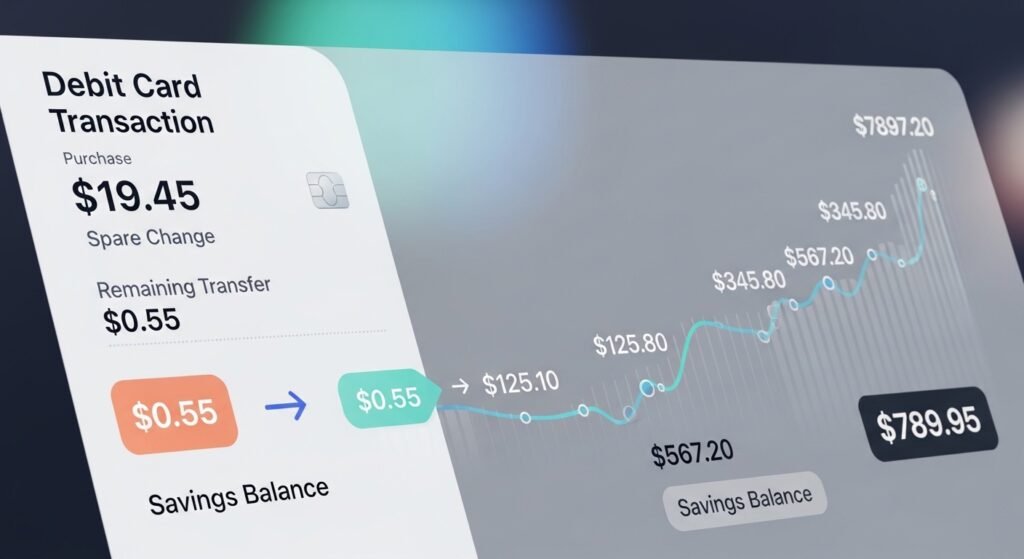
You should establish a “round-up” tool which operates through your debit card. Your spending of $4.50 will result in automatic savings of the $0.50 surplus. Your daily budget will remain unchanged because you can build a savings account without experiencing any financial strain.
The “Cash-Only” Week

You should spend a week only using cash to buy groceries and entertainment because it will help you clear your mind. Research shows that people reduce their spending by 15% when they must pay using physical cash instead of using digital payment methods.
Utilize “Windfall” Rules

You should use the 100% rule to handle any unexpected income which includes tax refunds and work bonuses or even $20 birthday gifts. Every “surprise” dollar you receive should go directly into your emergency fund until you reach a total of $1,000.
Identify “Yellow Flag” Expenses

You need to observe your spending habits during one week to discover your “Yellow Flags.” The professional car wash expense and premium coffee expense have become your habitual spending patterns which you now consider non-essential. Cutting these for just 90 days can bridge the savings gap.
Secure a “Side-Hustle” Surcharge

If your primary income is tight, experts recommend a temporary “sprint” hustle. You will prevent burnout by working five hours per week on delivery app driving and freelancing which helps you reach your $1,000 goal.
Negotiate Your Fixed Bills

Call your internet and cell phone providers. The 2026 market has intense competition, which enables you to save $30 per month by requesting a “loyalty discount” or selecting a lower service plan. This amount represents almost 40% of your weekly savings goal.
