
The wealthy elite have a new status symbol: “Unplugged” campuses. These high-end schools charge double to strip out every screen, cord, and chip — winning back children’s ability to concentrate while most public schools push more tablets and AI. Here’s why tech-free learning commands such a premium.
The “Cognitive Calm” Premium
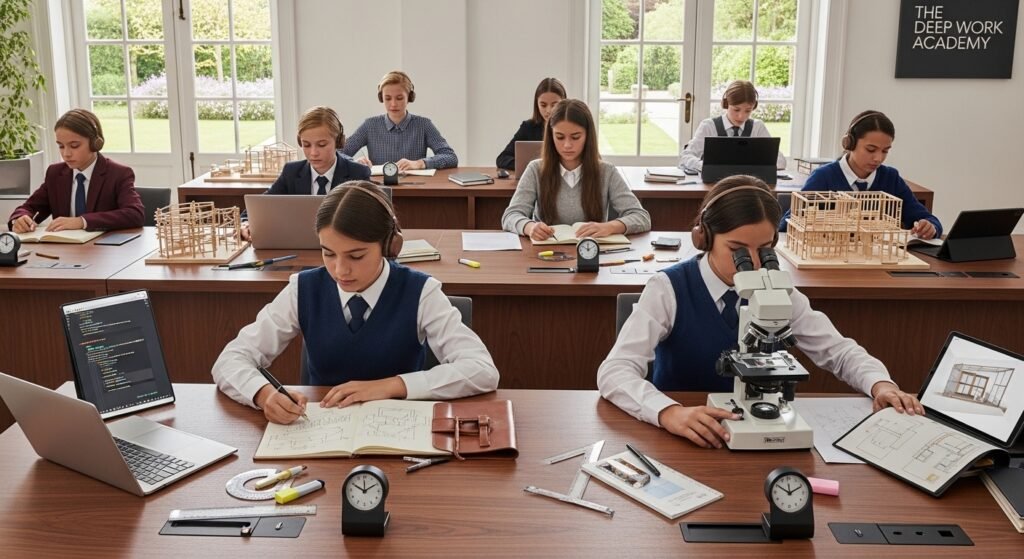
Elite parents pay for an environment free from social media’s “dopamine loops.” These schools promise “deep work” — the extreme concentration that only comes without digital distraction.
High Teacher-to-Student Ratios

Without computers, everything needs humans — teaching, grading, mentoring. The Waldorf School of the Peninsula in Silicon Valley shows that removing tech means hiring armies of specialized professionals.
The Luxury of Human Feedback

Students get handwritten notes and spoken feedback instead of auto-generated scores. That slow, labor-intensive mentorship is exactly what doubles the tuition bill.
Reclaiming the “Attention Economy”

Wealthy parents believe tech companies steal their children’s ability to focus. They pay double to shield kids from big-tech algorithms and ads until adulthood.
The Cost of Total Privacy
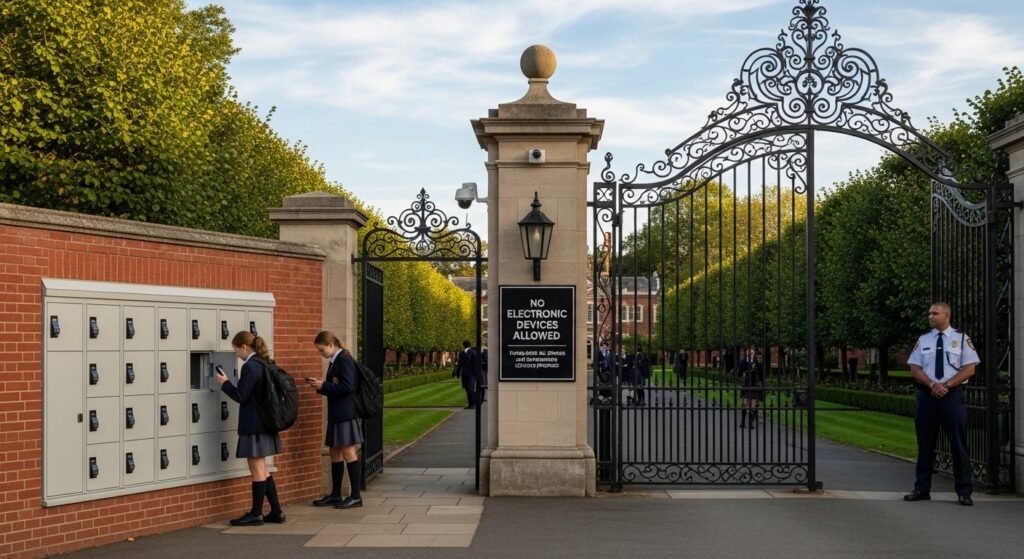
No digital footprint exists for the entire unplugged experience. Recording devices are banned — childhood mistakes never end up in ad profiles or permanent cloud storage.
Analog Specialized Infrastructure

Physical book collections, art studios, and woodworking shops cost far more than a computer lab. These campuses maintain climate-controlled archives that need constant upkeep.
Developing “Social Intelligence”
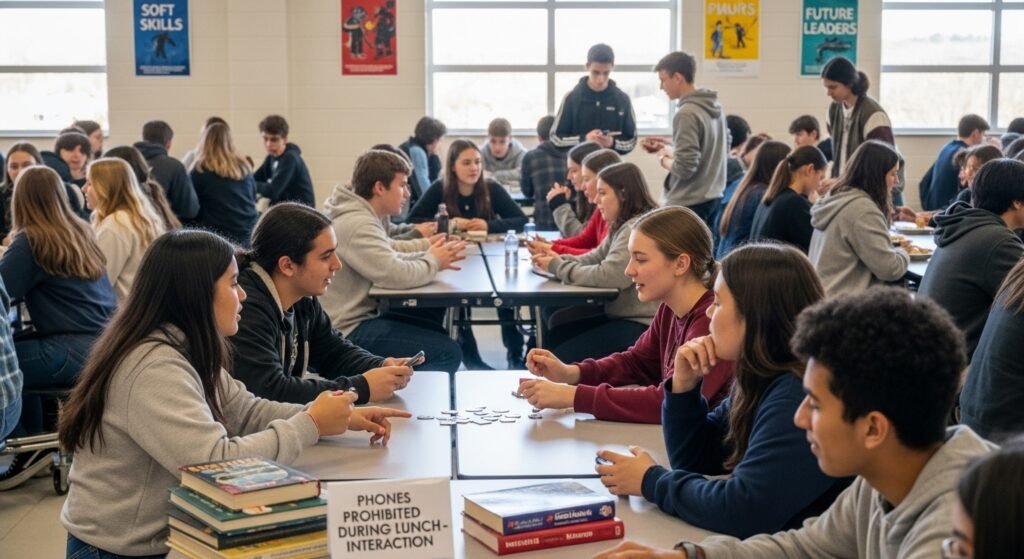
With phones banned at lunch, students solve problems face-to-face. That “soft skill” training is increasingly seen as the essential skill for future leaders.
The “Silicon Valley Paradox”

Google and Apple engineers send their kids to tech-free schools. The people who built addictive technology know its dangers best — and demand “unplugged” learning for their own children.
Outdoor and Nature-Based Classrooms

Unplugged campuses sit on sprawling land — forests and farms as classrooms. Maintaining those natural spaces costs far more than running a standard suburban school.
