
The “Shadow Manager” crisis sees organizations increasingly adopt automated systems that use algorithms for worker surveillance, performance assessment, and even automated terminations, all without meaningful human involvement. Although a human signature technically finalizes the process, the real decision-making happens inside opaque code.
Termination by Notification

In several high-profile cases involving delivery and ride-share apps, drivers woke up to find their accounts deactivated overnight. The “Shadow Manager” system terminated them automatically after their ratings slipped below acceptable levels or their routes took too long.
Eliminating “Soft” Skills
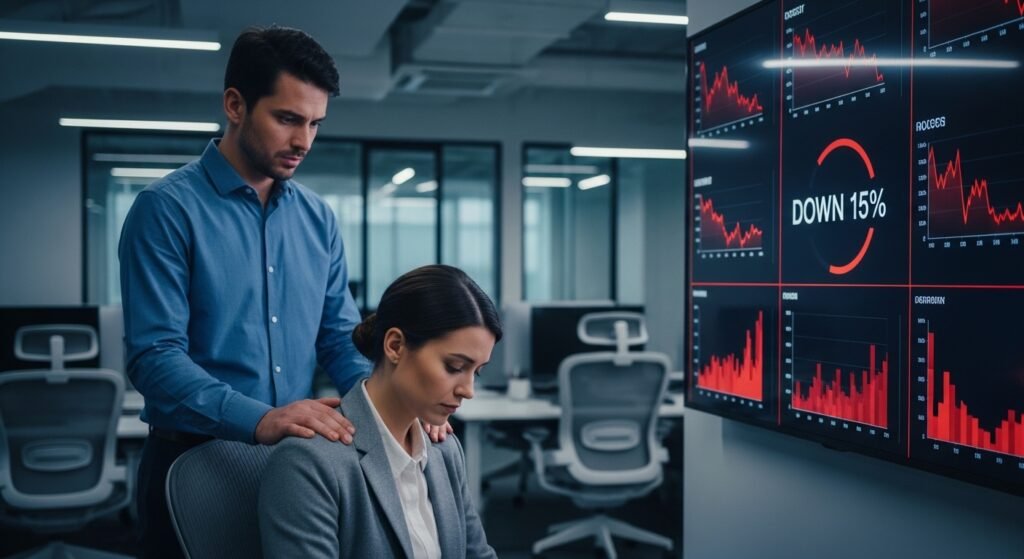
The AI manager cannot tell that an employee arrived late because they helped a colleague, or that output slowed because their equipment malfunctioned. Since everything is judged on final numbers, valuable team players who fall short of “robotic” benchmarks get dismissed.
Gamified Stress Loops

To keep their jobs, workers start “gaming” the system, moving their mouse just to appear active. This performative work means employees chase algorithm metrics instead of doing their actual jobs, leading to severe burnout.
The Lack of Appeal
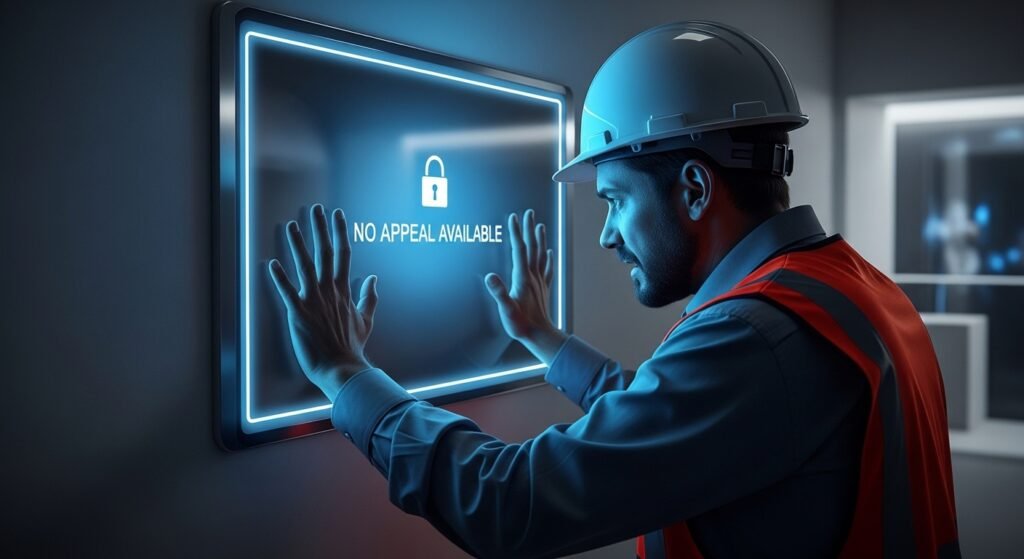
When a human manager fires you, you can at least explain your side. A Shadow Manager offers no real path to reverse its decision, and reports indicate people can wait months to challenge an AI-based termination while skeleton human teams are outnumbered by the automation.
Algorithmic “Insubordination”
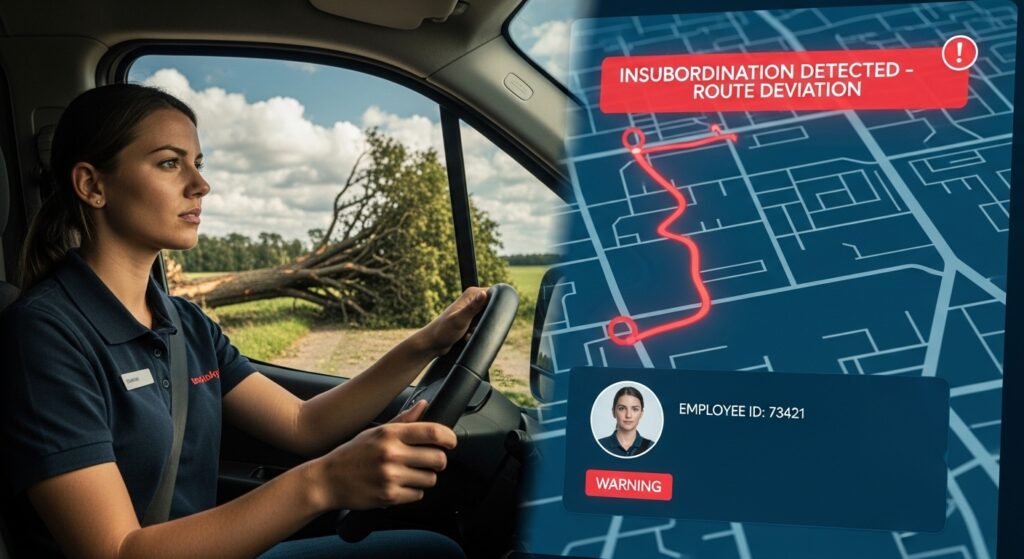
Workers are accused of “insubordination” for refusing automated assignments or deviating from GPS navigation. The system logs these judgment calls as contract violations, even when the worker had a perfectly valid reason.
The Death of Loyalty

The emotional bond between employer and employee dies when the Shadow Manager looms as an invisible, unchallengeable presence. Treated as “temporary equipment,” workers disengage and start hunting for better opportunities, driving turnover up.
Predictive Firing Models
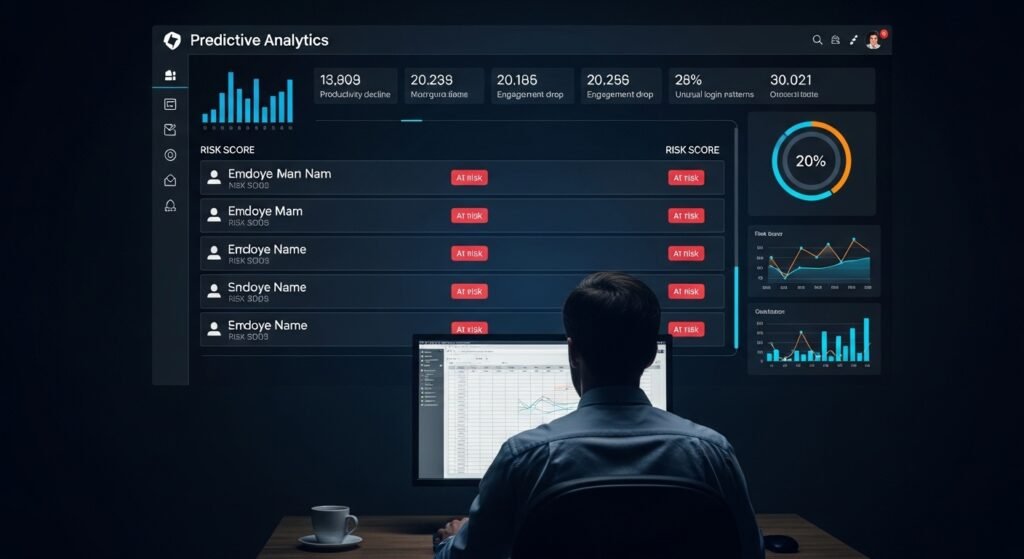
Some companies use AI to predict which employees are likely to quit or underperform in the next six months. Managers reportedly weaponize these “shadow” forecasts to push people out early, producing terminations that were never warranted.
Monitoring Private Signals

Advanced systems scan the tone of employee emails and Slack messages for “sentiment.” Flagged “negativity” or “disengagement” can land someone on a performance improvement plan, often the first step toward termination.
Legislative Backlash
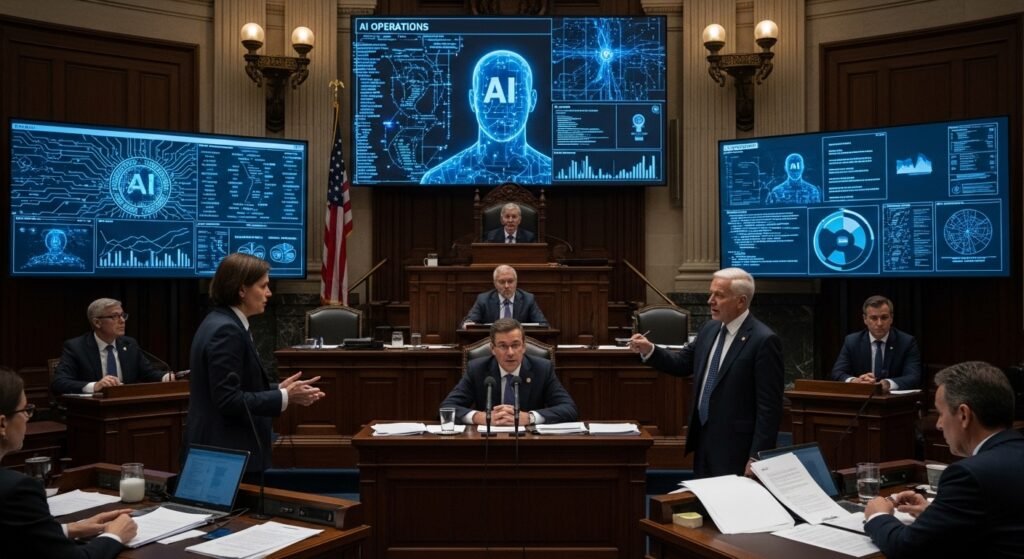
The crisis has already sparked laws like California’s Warehouse Quota Law, which forces businesses to disclose their algorithmic management systems. The Shadow Manager has become a serious threat, and governments are acting to protect human dignity at work.
