
The economic landscape of the United States is incredibly diverse: wealth clusters in coastal cities and technology centers, while poverty concentrates in regions shaped by economic shifts and remote geography. These rankings reveal a lot about local housing markets, school quality, and infrastructure. Here are the 10 richest and 10 poorest states:
Maryland
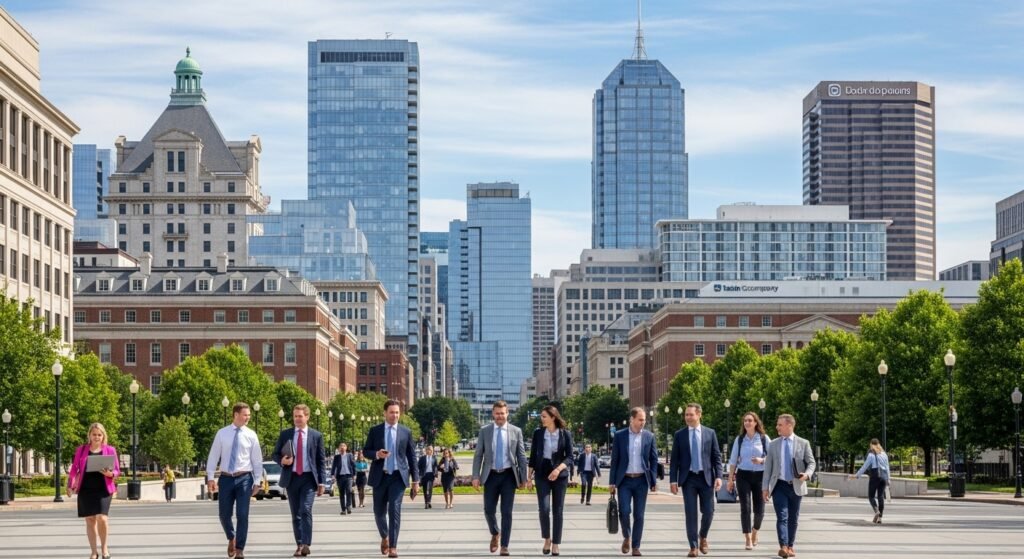
Maryland consistently ranks near the top, thanks to its proximity to Washington, D.C. Most residents earn high salaries through federal employment and Baltimore’s growing cybersecurity and biotech industries.
Massachusetts
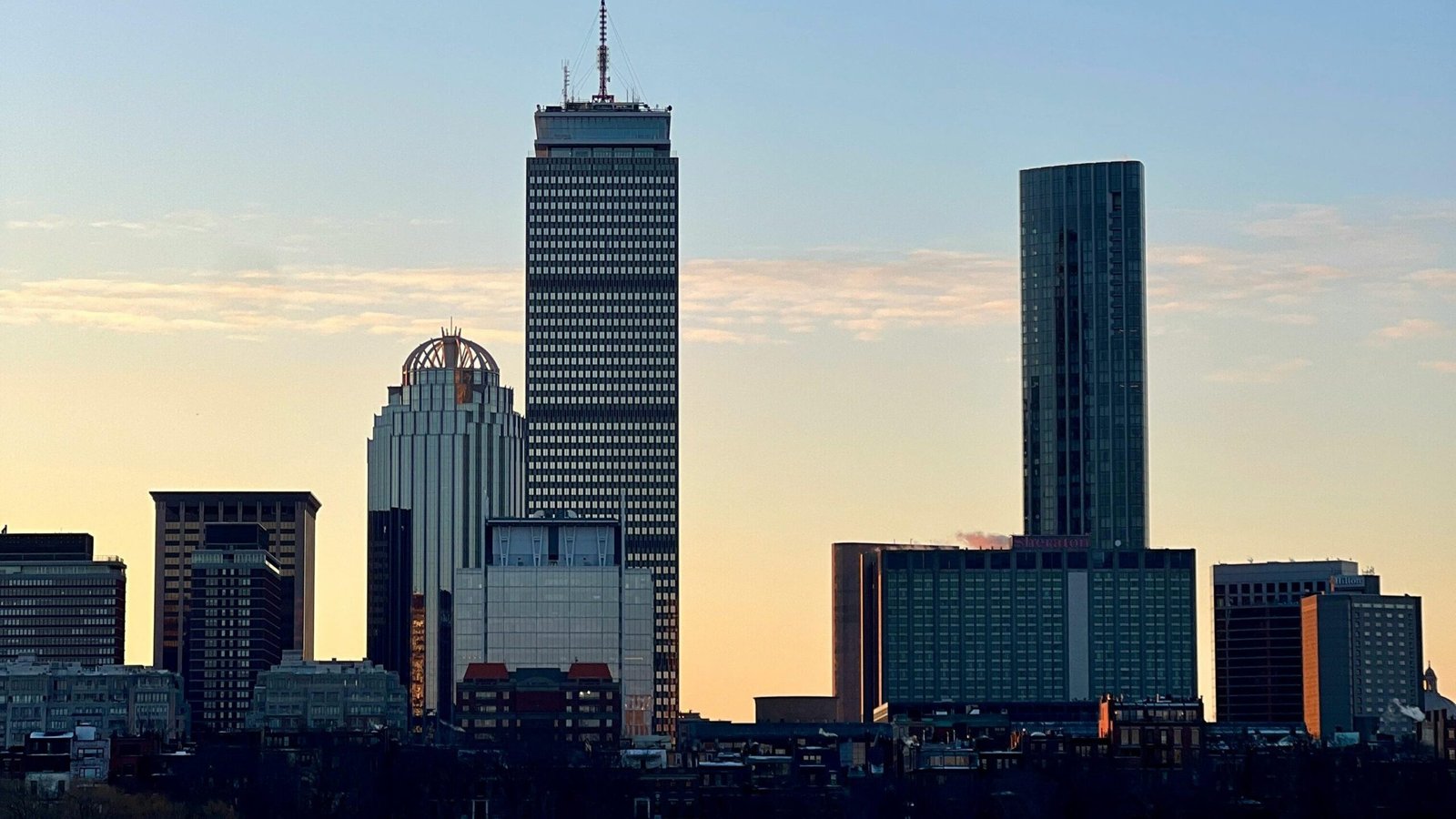
The state is a global hub of education and medicine. Boston’s highly educated workforce, drawn from Harvard and MIT, fuels massive investment in the city’s tech and pharmaceutical sectors.
New Jersey
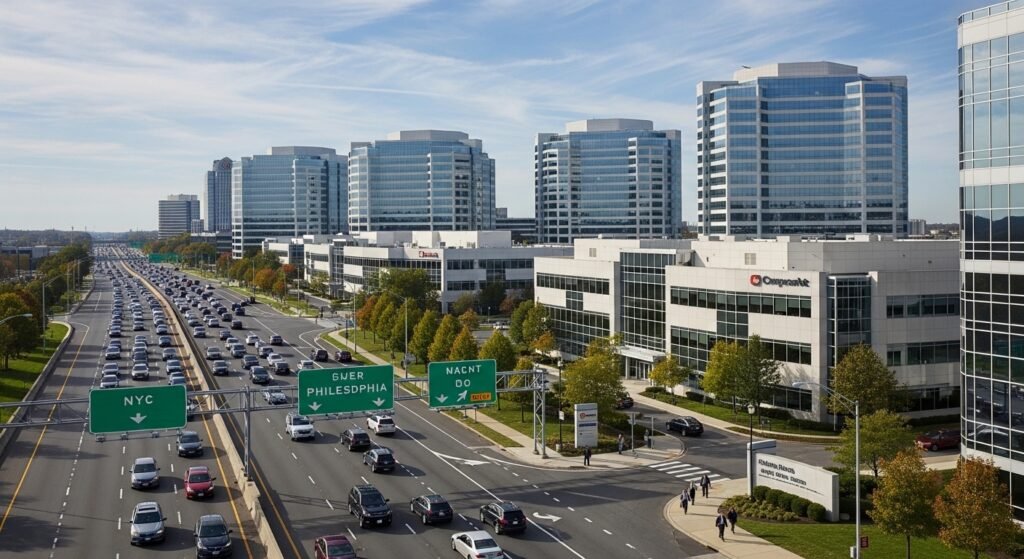
New Jersey is the essential suburban corridor connecting New York City and Philadelphia. Corporate headquarters — especially in chemicals and pharmaceuticals — drive elevated average salaries.
California

California holds Silicon Valley and Hollywood, making it expensive — but its tech, entertainment, and agricultural sectors produce more billionaires than nearly anywhere else on the planet.
New Hampshire

The state sustains high median incomes with minimal poverty. No state income tax plus strong manufacturing and tech industries give professionals stable, high-earning employment.
Washington
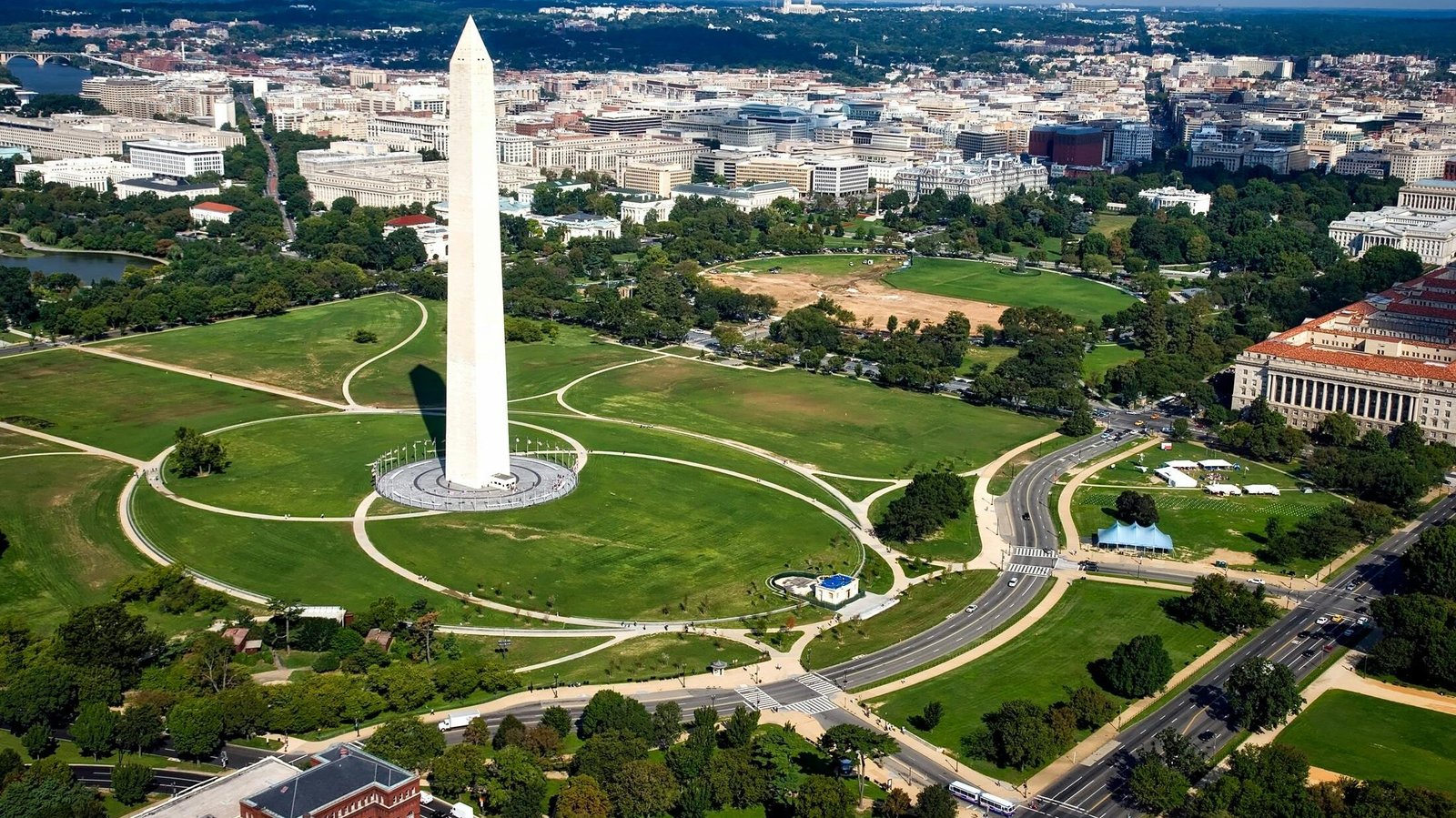
Washington became a top technology hub as home to Amazon and Microsoft. High-paying software engineering jobs in Seattle have lifted wealth across the entire state.
Connecticut

Connecticut remains an insurance and financial services powerhouse. Many residents commute to high-level finance jobs in New York City while living in affluent suburbs.
Colorado

Aerospace, renewable energy, and an influx of tech workers have sent Colorado’s economy soaring. The “Front Range” near Denver now attracts young, high-earning professionals.
Virginia
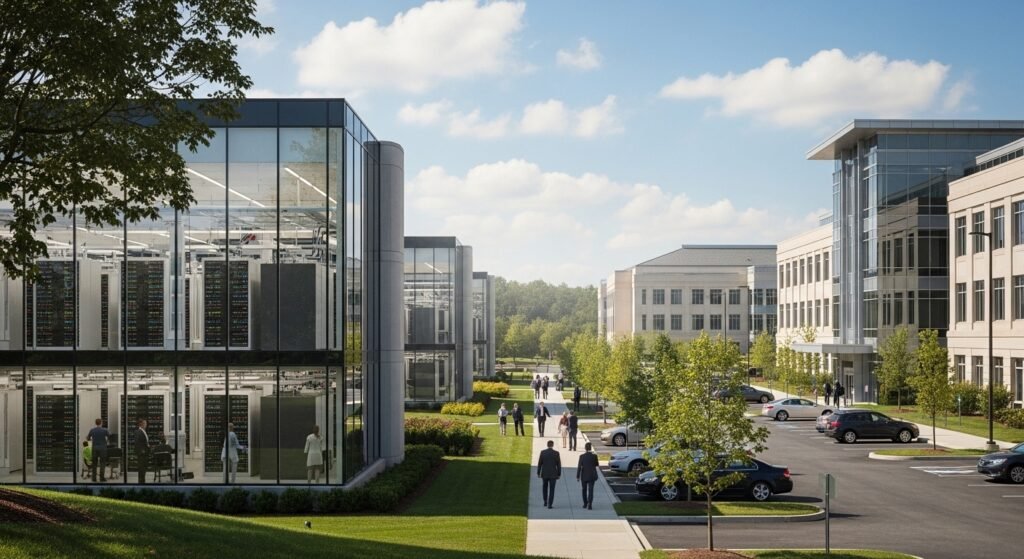
Virginia’s wealth mirrors Maryland’s: Northern Virginia’s federal employment base creates broad prosperity, and the world’s largest data center concentration powers the local tech economy.
New York
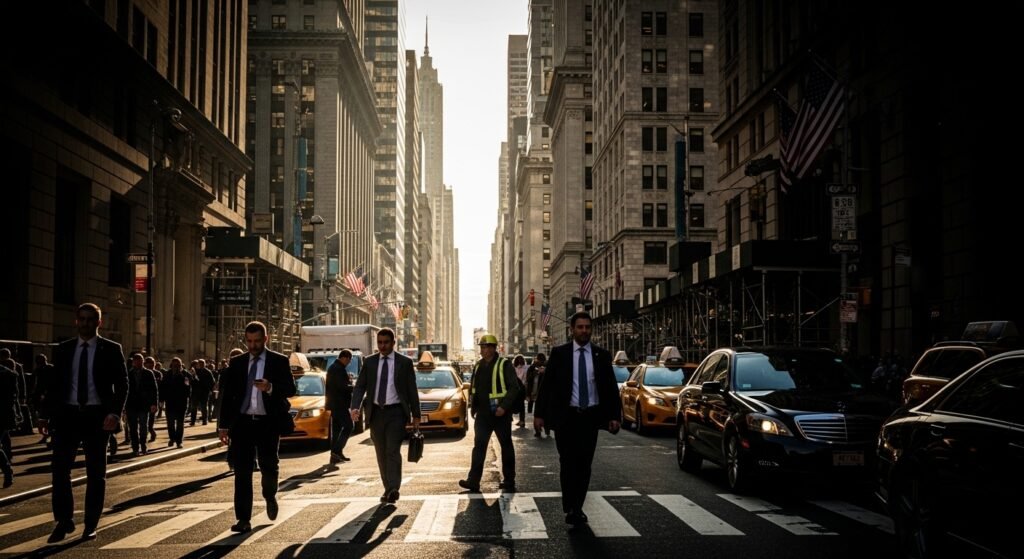
New York City remains the world’s financial capital. Wall Street and global media concentrate massive wealth in the state, even as a stark divide separates the city from upstate regions.
Mississippi
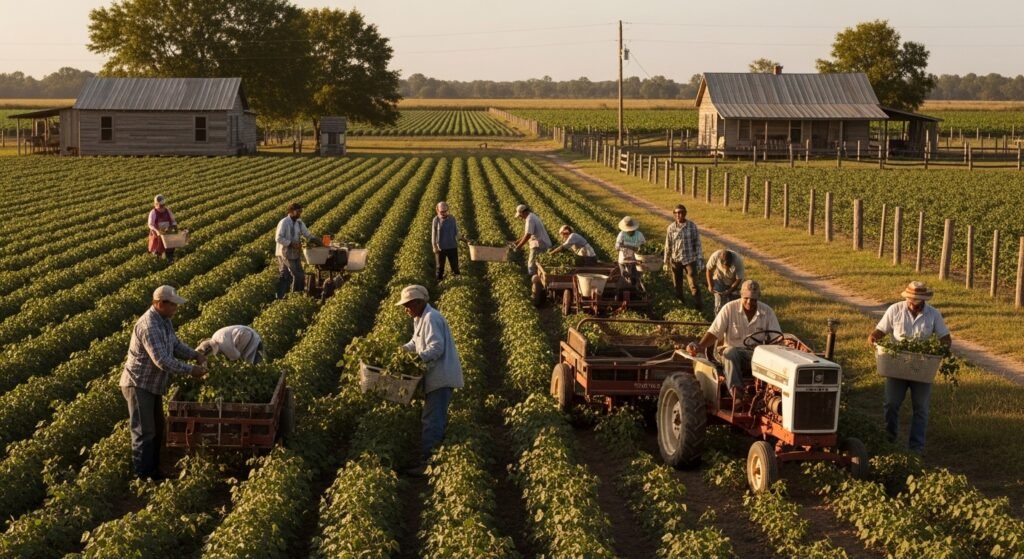
Mississippi struggles with a low-skilled workforce dependent on minimum-wage agricultural jobs. Without infrastructure investment, remote regions can’t attract modern high-wage industries.
West Virginia
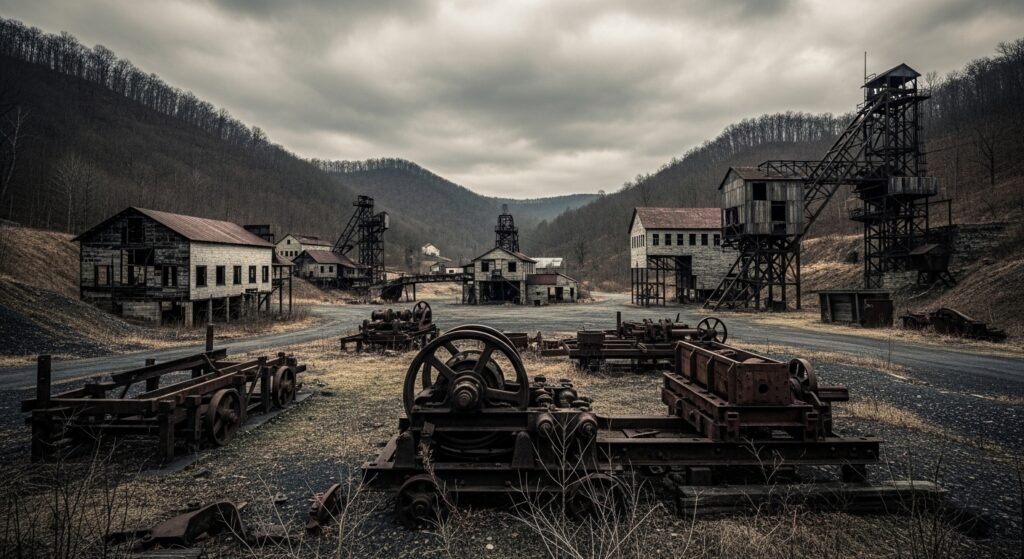
The collapse of coal has devastated West Virginia. Mining communities now face financial hardship as renewable energy replaces their economic foundation.
Arkansas
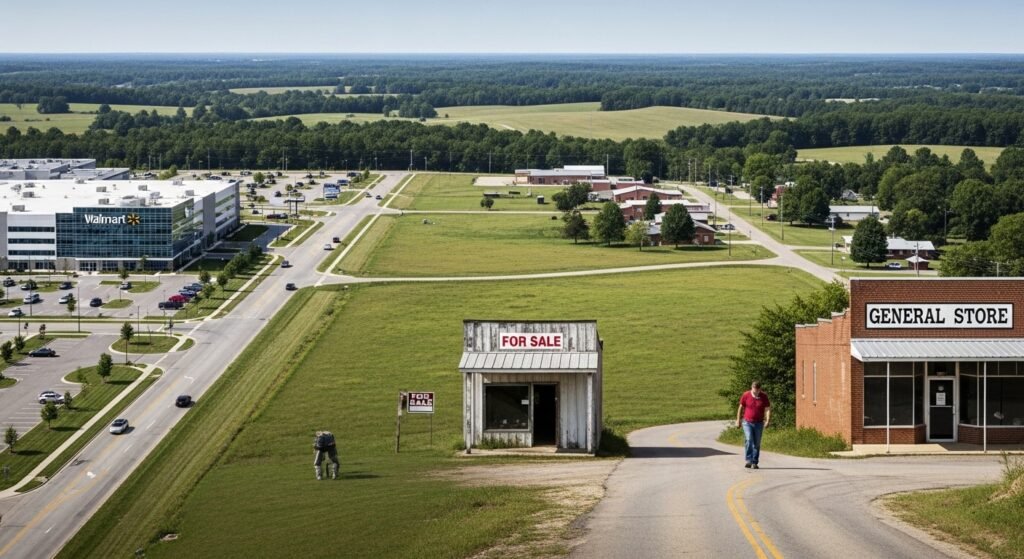
Walmart is headquartered in Arkansas, but most of the state remains rural with few high-paying jobs. Low educational attainment in some regions blocks residents from tech and finance careers.
Louisiana

Despite abundant oil and gas, Louisiana battles severe income inequality. Frequent hurricanes inflict expensive damage that leaves families struggling for years afterward.
New Mexico

New Mexico hosts multiple federal research labs yet suffers high poverty. Remote living isolates residents from stable jobs and blocks business expansion.
Alabama
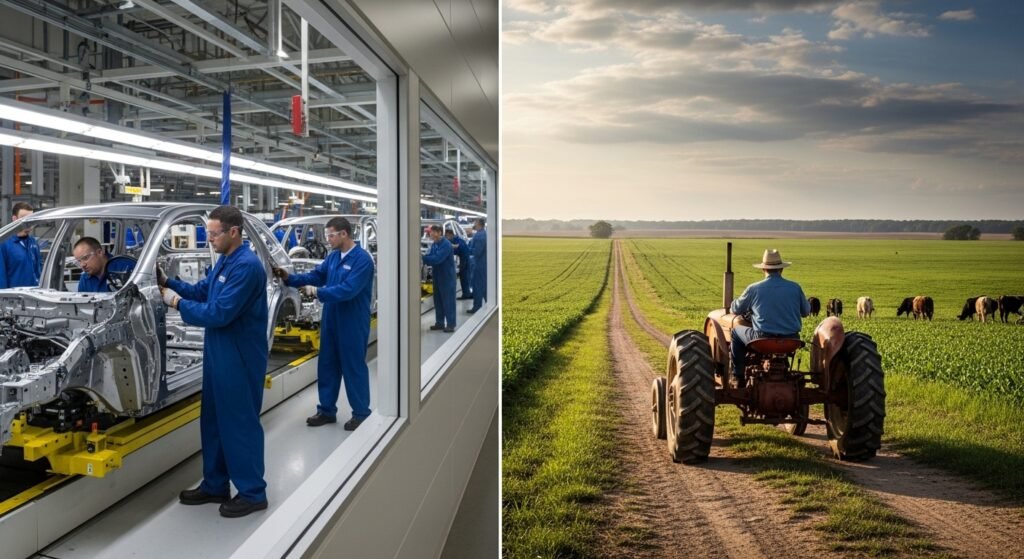
Auto manufacturing has expanded in Alabama, but rural areas still depend on low-paying service and agricultural jobs — urban growth alongside rural struggle.
Kentucky
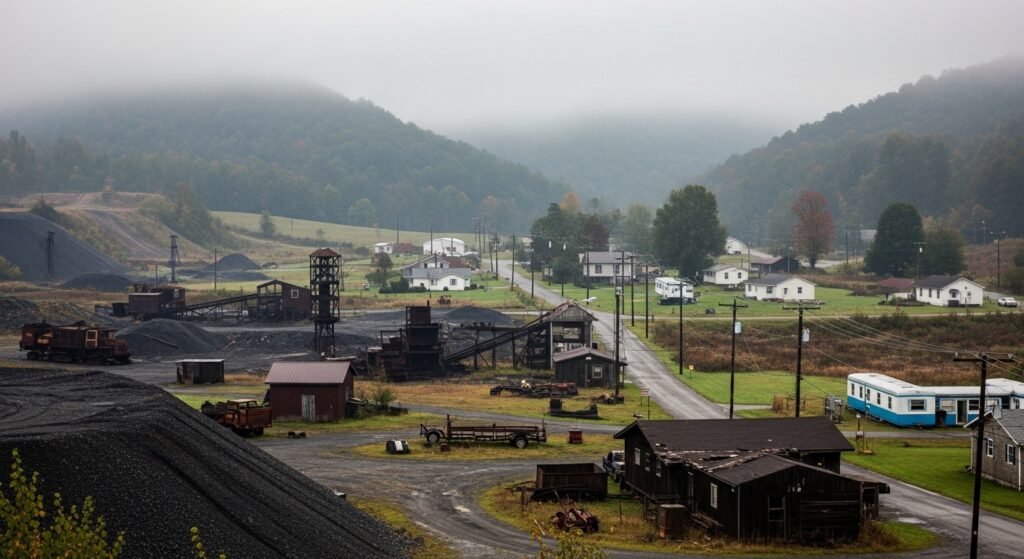
The loss of coal mining hit parts of Kentucky like it hit West Virginia. Appalachian communities struggle to attract businesses without modern transportation and high-speed internet.
Oklahoma
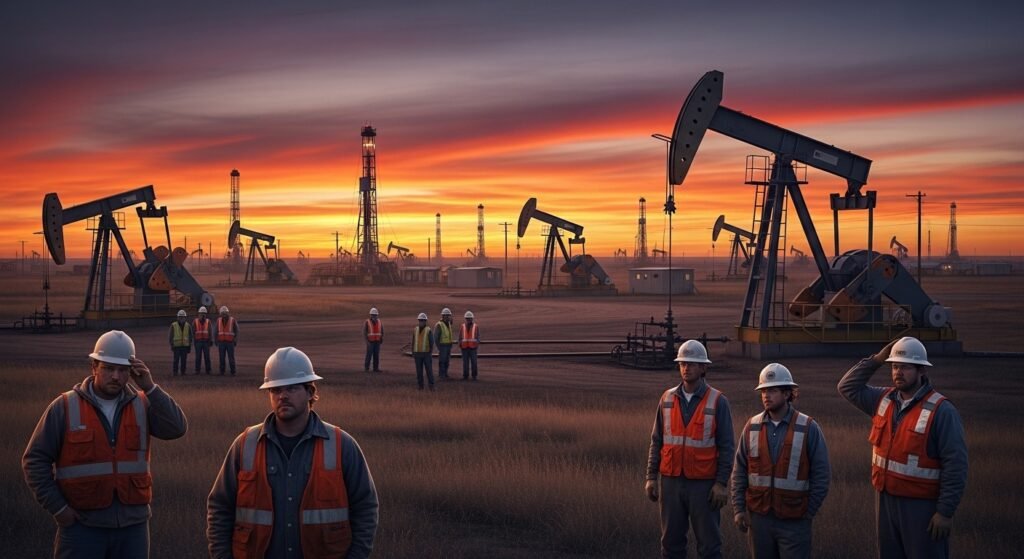
Oklahoma’s economy rides the unpredictable oil and gas industry. When energy prices drop, unemployment rises and public-service funding shrinks immediately.
South Carolina
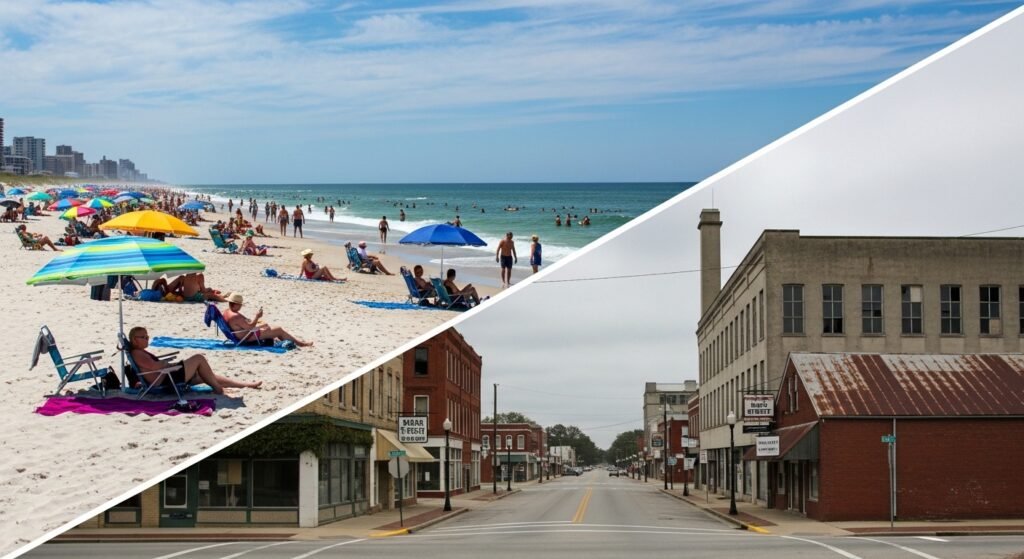
Coastal South Carolina thrives on tourism while the inland “Upstate” still reels from losing its textile manufacturing base. Modernizing these areas takes years and serious investment.
Kentucky

Kentucky has grown its bourbon and logistics sectors, yet rural counties still face persistent poverty that drags down overall standing. Residents of remote villages struggle to access medical care and education.
