
The grocery store and pharmacy operated as separate entities throughout history but now their boundaries have started to merge. The rising expense of global healthcare creates an urgent requirement for specialists who can link agricultural practices with clinical medical operations within the newly established $45 billion Food as Medicine sector. The career path enables professionals to employ specialized farming techniques which create specific health benefits through prescribed nutrition to treat and prevent chronic diseases.
Prescription Produce Programs

Doctors are now prescribing fruits and vegetables as actual prescriptions which patients must fulfill instead of prescribing traditional medicine. The Wholesome Wave program will enable patients with diet-related illnesses to redeem their prescriptions at farmers’ markets for cash starting in 2026. This development creates a direct money connection between doctors and farmers.
The Rise of the “Agri-Pharmacist”

The new workforce generation learns how to evaluate soil health together with human biological systems. The specialists guide hospitals regarding which crops should be grown at their facilities to support patient recovery after surgical procedures.
Hospital-Owned Farms
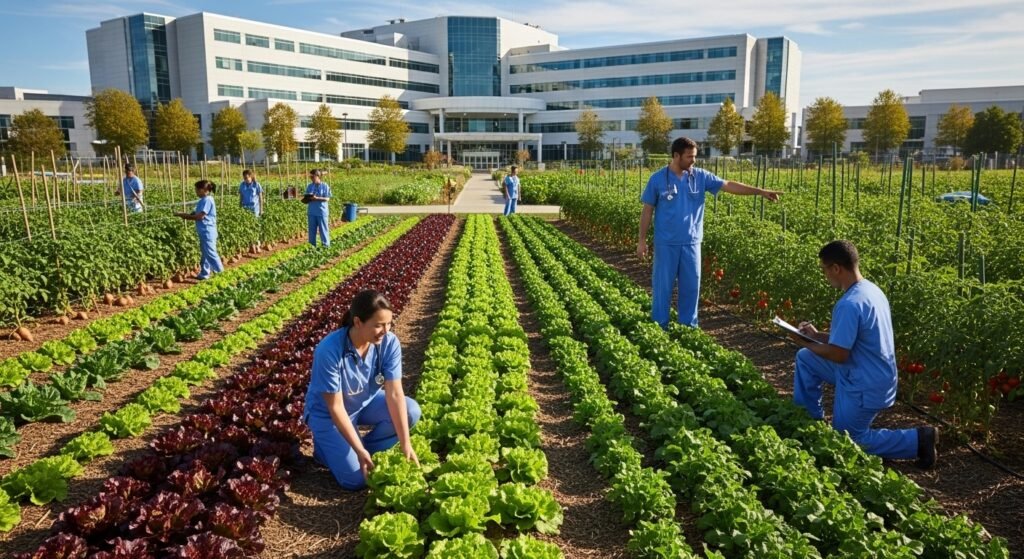
St Luke’s University Health Network and other major healthcare systems have established their own organic farming operations. The farm-to-hospital system provides patients with nutrient-dense meals which help them recover more quickly from hospital stays while decreasing hospital expenses.
Nutrient-Density Certification

The establishment of the Nutrient Tracking profession emerged because not all carrots possess identical nutritional properties. The handheld scanning devices enable professionals to determine the precise vitamin and mineral content of crops which ensures that medicinal food meets clinical requirements.
Medically Tailored Meal (MTM) Prep

The organization Project Angel Heart employs chefs together with nutrition experts to create customized meal plans for patients experiencing stage-four medical conditions. Insurance companies now understand that providing healthy food benefits patients because it costs less than a $50000 visit to the emergency room.
Soil Health as Preventative Care

Healthy soil produces food which contains higher levels of phytonutrients according to scientific research. Insurance companies pay farmers to implement regenerative health practices which enhance the medicinal properties of their soil.
Insurance-Funded Gardening

Medicare now provides coverage for therapeutic gardening services under some of its plans. The employment of professionals teaches patients how to cultivate their own food which they should practice as physical therapy. The harvested food serves as their medicinal treatment.
The $45 Billion Government Push
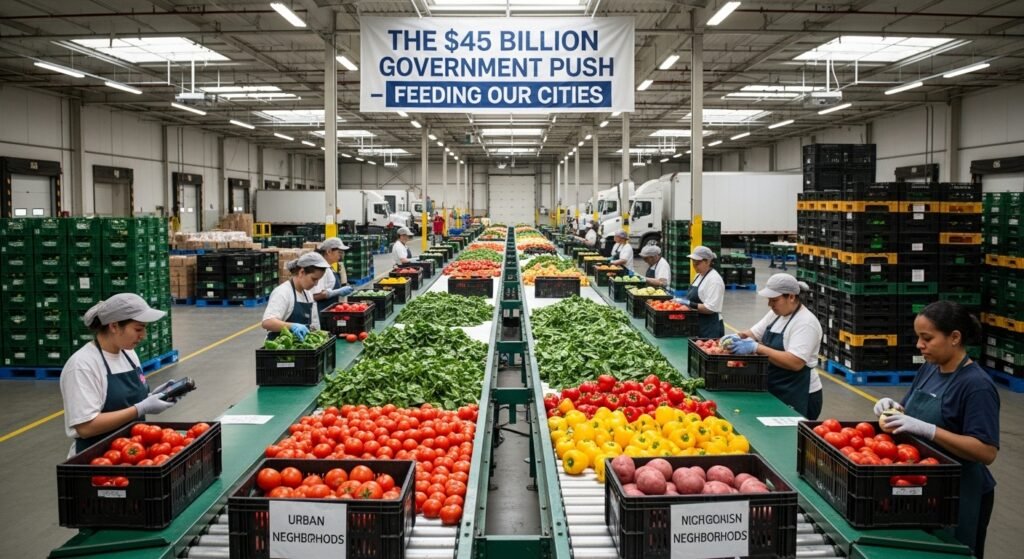
The U.S. government has allocated billions toward “nutrition incentive” programs. The funding creates employment opportunities for grant writing and program management and logistics professionals who will transport fresh produce from rural areas into urban areas which have limited access to food.
Food Pharmacy Technicians
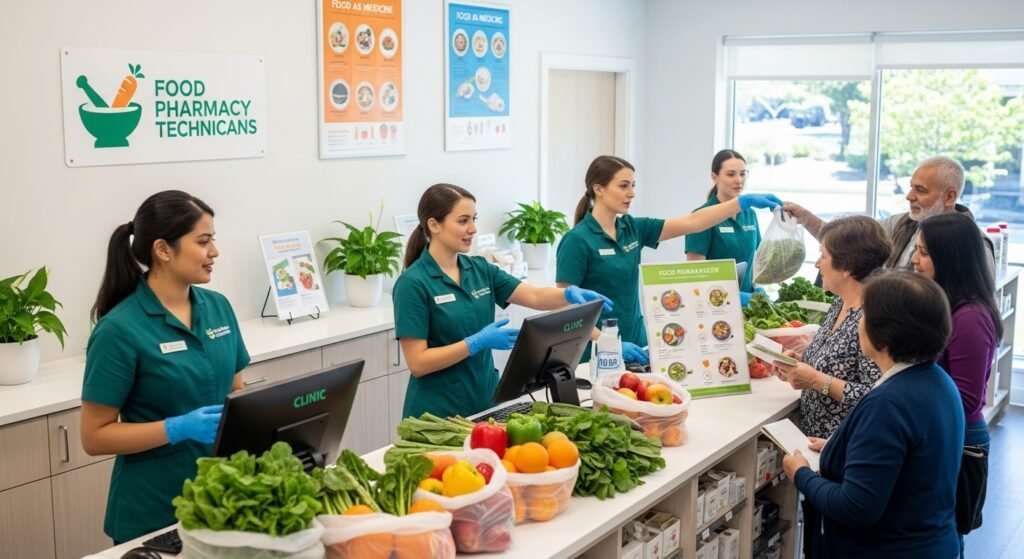
Food Pharmacies function as clinics which provide services similar to traditional pharmacies. The staff members of this facility provide patients with food bags together with guidance on vegetable cooking methods which help them control their Type 2 diabetes symptoms.
Biophilic Healthcare Design

The city planners and architects developed Wellness Neighborhoods which integrate edible landscapes with their housing development designs. The setup of healthy food as the standard eating option leads to decreased heart disease occurrences within the community.
