
What you learn in college may become outdated faster than you can repay your student loans. To keep graduates current, some universities are now adding expiration requirements to degrees in technical fields — ending the idea of permanent learning and replacing it with education that never stops.
The “Subscription” Degree Model

Some schools are testing a model where graduates keep paying after finishing their studies. A monthly subscription maintains degree recognition and provides ongoing access to new course materials and certification programs.
Tech Certifications as a Warning

IT already works this way. Cisco and Microsoft certifications must be renewed every two to three years, forcing professionals to prove expertise on new systems. University degree programs are likely to follow the same design.
The Medical Field Precedent

Doctors must complete Continuing Medical Education to keep their licenses active. Physicians who fall behind on new surgical procedures and pharmaceuticals lose the right to practice — their credentials effectively expire.
Rapid Obsolescence in AI

A 2022 Artificial Intelligence degree missed the generative AI revolution entirely. Without expiration dates and mandatory skill updates, its graduates entered the 2026 job market lacking critical skills.
Digital Badging Over Diplomas

Instead of one physical diploma, students increasingly earn “digital badges” for specific abilities. The badges carry visible expiration dates — professionals must earn new certifications to keep their badge status.
Employer Re-Skilling Programs
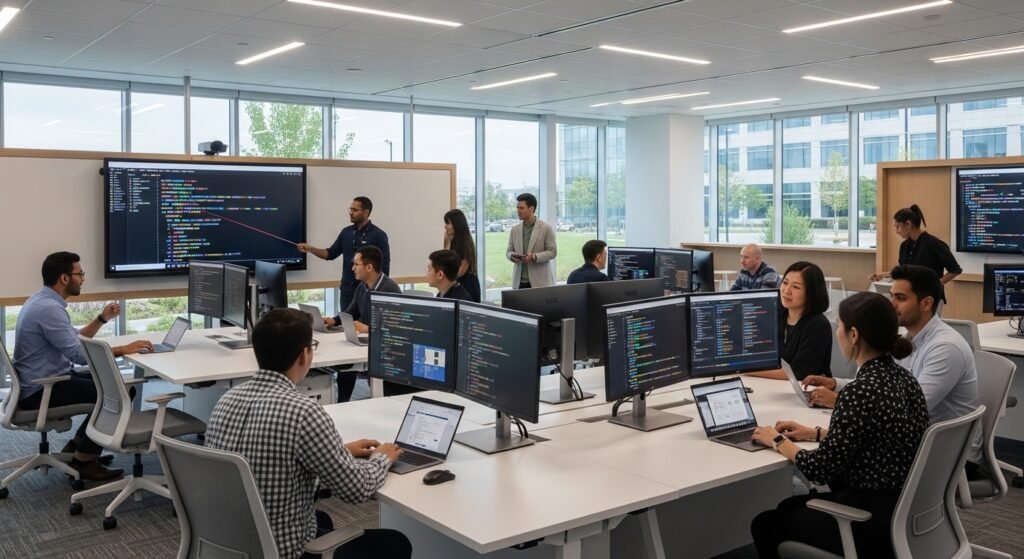
Amazon and Google run their own company universities. Employers increasingly value internal “micro-degrees” updated in the last three months over a decade-old traditional degree.
The Risk of “Degree Decay”

“Degree decay” sets in when an employee spends ten years in the same role without any training. After a layoff, they may discover their degree no longer meets basic entry requirements.
Professional Engineers and PE Exams

Most states already require Professional Engineers to complete ongoing professional development on current building codes and safety regulations. Their “stamp” of approval only stays active through continuous education.
The Cost of Re-Validation

The biggest concern is cost. Renewing degree status every five years could mean hundreds of dollars in exam fees each time — a financial burden that would fall on much of the workforce.
