
More Americans are pulling money from their 401(k) plans long before retirement, and it is happening more often than ever. People tap these funds to handle unexpected life problems or simply to pay the bills. Here is why this trend is growing and what it means for the money you will need later in life.
A Record Number Of Hardship Withdrawals

Vanguard data shows a clear trend of workers taking retirement money early. In 2025, a large share of workers pulled funds from their 401(k) accounts — six percent, up from 4.8 percent the year before. That is one of the highest levels ever recorded.
The Real Cost Of Taxes And Penalties
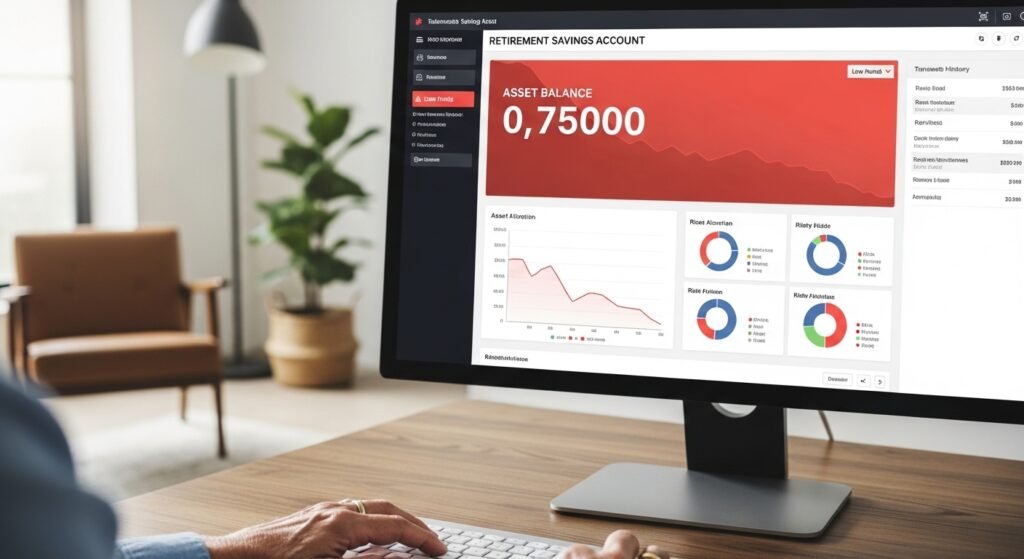
Think twice before grabbing retirement cash early. The government adds a 10 percent penalty on early withdrawals, and you still owe regular income tax on the money. What lands in your pocket ends up far smaller than you imagined.
Avoiding Eviction And Foreclosure First

Most people are not cashing out for luxuries. One of the top reasons for hardship withdrawals is avoiding foreclosure or eviction. Rising living and housing costs have pushed some families to treat retirement savings as a last resort.
Paying For Sudden Medical Emergencies

Medical bills are another common reason people dip into their 401(k) early. Unexpected healthcare costs can drain savings fast, and paying out of pocket for hospital visits or emergency care leaves some workers with few options beyond retirement funds.
New Rules Make Taking Cash Easier

Americans are tapping retirement accounts more often, partly because the rules changed. In many cases you no longer need to take a loan first, so the cash you need arrives much faster.
Auto Enrollment Creates A Safety Net

More companies now auto-enroll new hires in retirement plans, so more workers have savings set aside. For some lower-income workers, that retirement balance doubles as an emergency safety net in hard times.
The Risk Of Selling During Market Lows

Cashing out investments while the market is down locks in losses and means missing the recovery. Climbing back from that setback can take years of extra saving once you start contributing again.
Using The Rule Of 55 For Early Access

Leave your job at 55 or older and you can tap your 401(k) without the extra 10 percent penalty. You still owe regular income tax, but it is a solid option for people who retire early.
Exploring Other Options Before Withdrawing

Financial experts urge finding other ways to pay bills before raiding retirement savings. Ask about a payment plan first. Protecting your future matters — do not crack open the nest egg unless there is truly no other choice.
