
Saving money has always felt like the safest financial move. Putting money in the bank is the responsible thing to do. But in 2026, the real question is not how much you save — it is how much you leave sitting there. Too little cash makes sudden expenses overwhelming. Too much quietly slows your financial progress as inflation takes its toll. The smartest savers strike a balance: enough cash to feel comfortable, but not so much that their money stops working.
Build a Strong Emergency Fund

Financial stability starts with a reliable emergency fund. Most professionals recommend keeping three to six months of essential living expenses in savings. This money should be easy to reach but separate from everyday spending. That cushion keeps you calm and ready when the unexpected hits.
Keep One Month of Expenses Ready
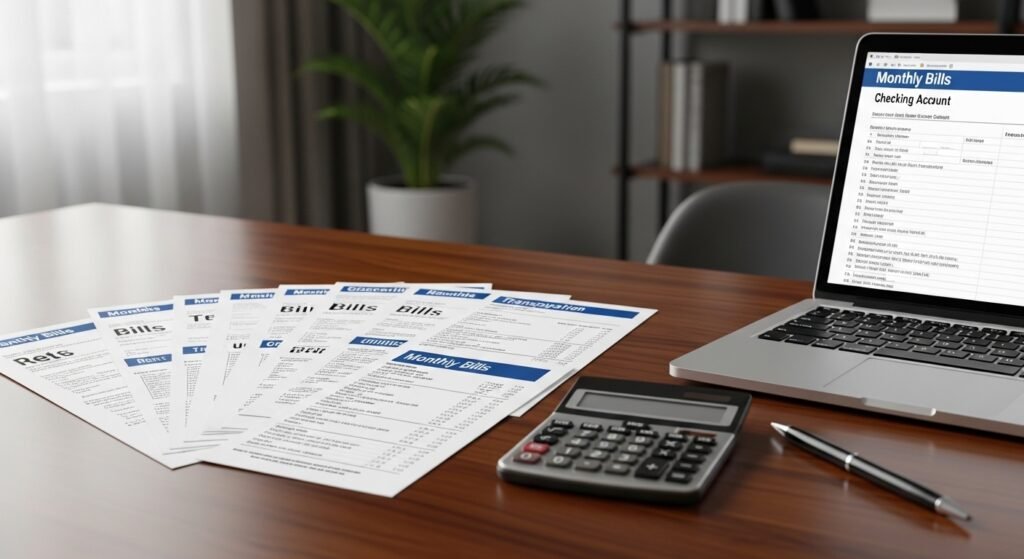
Your checking account should comfortably cover at least one month of regular bills: rent, groceries, utilities, and transportation. This keeps daily spending smooth and predictable, and removes the stress of watching every balance.
Avoid Letting Too Much Cash Sit Idle

A big cash pile feels reassuring, but idle money grows slowly while rising prices erode its real value. Most financial planners recommend keeping idle cash to a minimum once your safety cushion is set. Extra funds can work harder elsewhere.
Use High-Yield Savings Accounts

Not all savings accounts are equal. Many banks now offer high-yield accounts with much better interest rates than traditional ones. Your money grows without extra risk or losing access. For many people, they are the smartest home for an emergency fund.
Separate Short-Term Goals
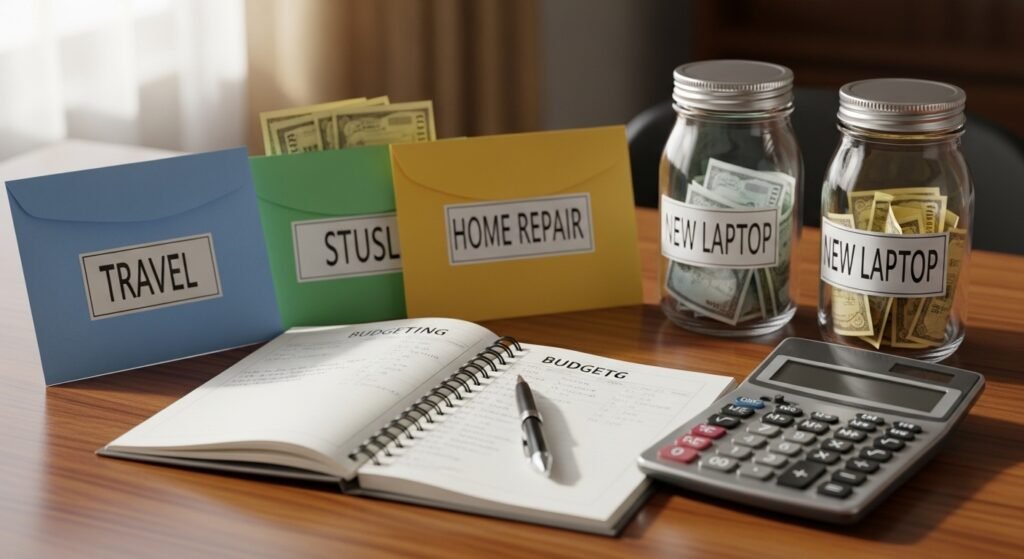
Short-term goals belong in safe, easily accessible accounts — whether that means travel, home repairs, or a big purchase. Keep this money separate from daily expenses so it does not get spent by accident. Separation also makes financial planning simpler.
Let Long-Term Money Grow

Cash is safe, but it is not the best place for long-term goals. Growth-oriented investments usually suit retirement and other distant plans better. Over time, that growth can make a major difference in building wealth.
Keep a Small Extra Buffer

Even the best budgets cannot predict every expense. An extra buffer in your account is a lifesaver when something unexpected comes up. It keeps you from reaching for credit cards or short-term borrowing, and that breathing room brings real financial confidence.
Review Your Cash Strategy Each Year

Financial situations rarely stay constant. Income rises, costs shift, and goals change. Review your savings plan at least once or twice a year to make sure your money is not sitting in the wrong place. Small adjustments over time keep your finances on track.
