
Big fundraising rounds and celebrity founders dominate the headlines. But the most interesting changes often begin quietly: small startups testing new concepts, breaking old systems, and gradually redefining whole industries. Many of today’s largest companies started exactly that way. In 2026, a new generation of startups is repeating the pattern — introducing smarter technology, easier services, and new ways of solving everyday problems.
AI-Powered Customer Support Platforms
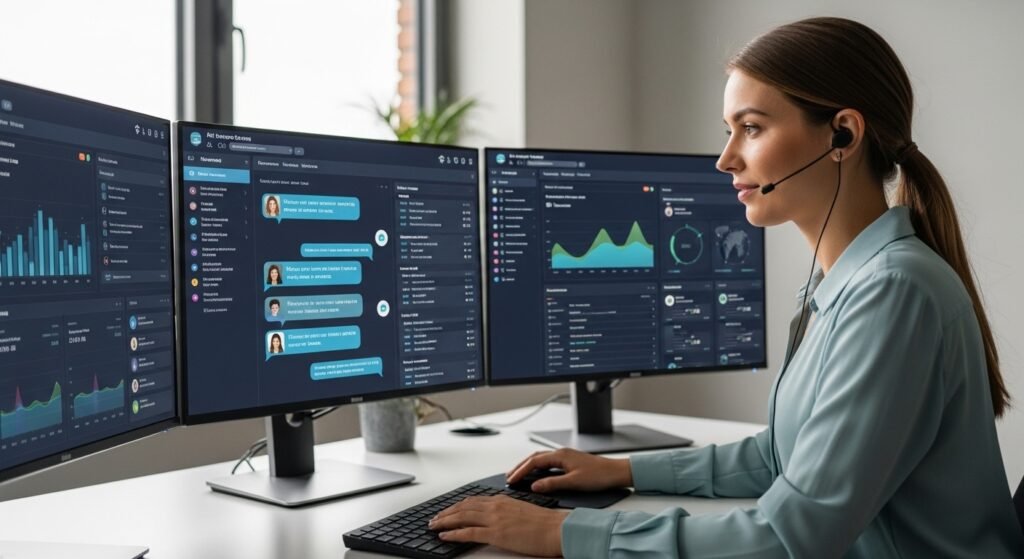
Customer service has been slow and exasperating for too long. New companies are building AI platforms that respond, resolve problems, and route customers in real time — learning from conversations and improving over time. Early adopters are already seeing faster response times and happier customers.
Digital-First Banking Solutions

Conventional banking is evolving fast, with fintech companies offering simpler, more accessible services: mobile-only accounts, instant payments, and smarter budgeting tools. Without physical branches, they move faster and charge fewer fees — an approach young users clearly prefer.
Health Tech Startups Transforming Telemedicine

Telemedicine gained popularity years ago, and startups are now pushing it further: remote consultations, health tracking, and AI-based recommendations combined into single platforms. Patients can monitor their conditions and talk to doctors without leaving home — making healthcare more affordable.
Clean Energy Innovation Startups

Energy startups are working on more efficient battery storage, solar power, and energy control systems — aiming to make renewable energy more predictable and cost-effective. As sustainable energy grows in importance, these startups are drawing attention from investors and governments alike.
Logistics Startups Using Smart Automation
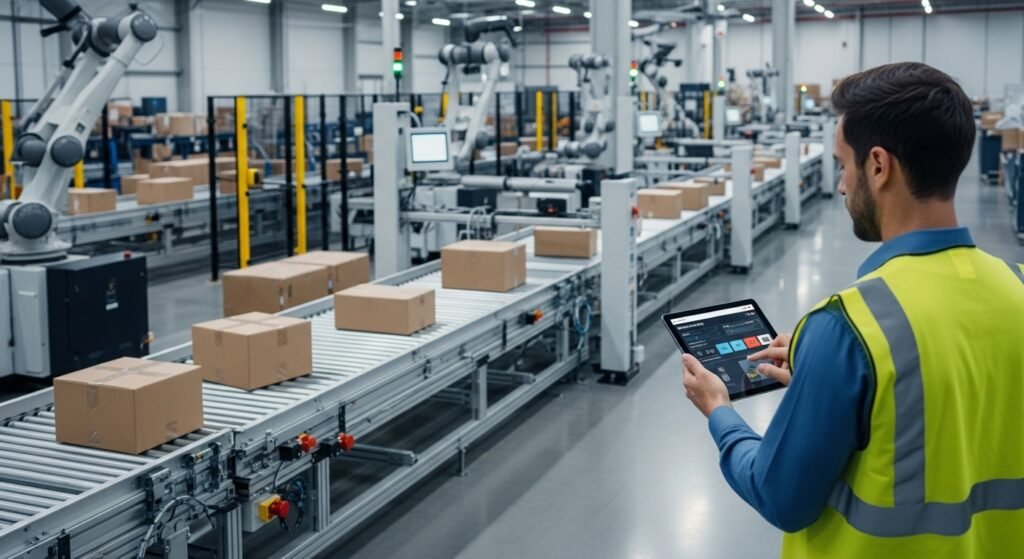
Shipping and logistics are notoriously complex operations. Startups are automating them with smart routing software that lets businesses track shipments, minimize delays, and improve delivery networks — saving significant money and time with small changes.
Education Technology Platforms

Learning platforms are changing at an incredible pace. Startups are combining short interactive courses, personalized learning, and real-time feedback — tools that help students learn faster while keeping lessons engaging. Businesses are using similar platforms to train employees.
Sustainable Fashion Startups

The fashion industry is being pushed to cut waste and become more sustainable. Startups are launching eco-friendly materials and responsible production practices — some even recycle old clothing into new garments. These ideas are gradually transforming how fashion brands operate.
Food Technology Startups

Food innovation is a major startup area: plant-based products, lab-grown alternatives, and smarter food production. These startups aim to create healthier and more sustainable options, and they are growing more popular as consumer tastes evolve.
Real Estate Tech Platforms

Buying, selling, or leasing property has always been complicated. Real estate tech platforms are simplifying it with virtual home tours, automated documentation, and transparent pricing — making transactions quicker and easier for everyone.
Cybersecurity Startups

As businesses depend more on digital systems, cybersecurity has become essential. Startups in this field are building smarter tools to protect sensitive data and detect threats — most use advanced analytics to catch anomalies before problems multiply. Their solutions are becoming vital for both large and small firms.
