
The educational system returned to its original oral examination assessment practice because educational institutions now rely on digital resources and automated testing methods. The direct spoken responses method enables educators to assess students’ actual knowledge because it requires students to speak their answers. The educational system will now concentrate on evaluating authentic human cognitive abilities together with advanced critical reasoning skills that go beyond simple recollection abilities.
Proving Depth of Knowledge

Students can correctly guess multiple-choice answers during written tests and the examiner can ask “Why?” or “How?” in an oral exam to measure the student’s ability to explain their understanding of essential concepts.
Preparing for Real-World Jobs

All professional roles require workers to express their thoughts through spoken communication. The “rehearsal” function of oral exams prepares students for important business meetings and client meetings.
Testing Under Pressure

Doctors must explain medical diagnoses to patients while they handle the mental challenges that occur in high-pressure situations. Students use oral exams to experience stress which helps them build emotional strength.
Immediate Feedback Loop
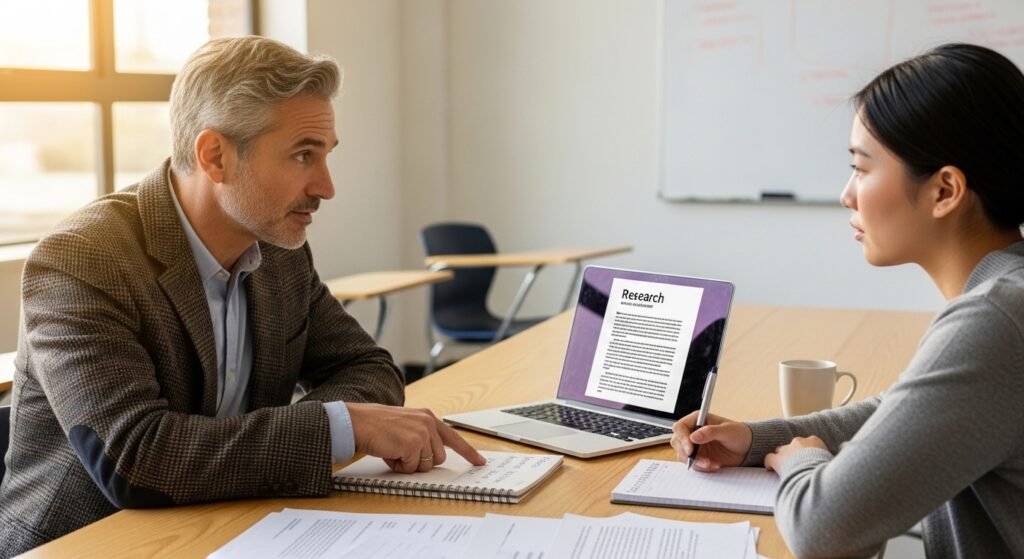
Oral exams deliver immediate assessment results, unlike graded papers, which require weeks of waiting, professors can instantly resolve student misunderstandings during exams and which turns the test into their final educational experience.
Accommodating Diverse Learning Styles

Students with high intelligence face difficulties when they need to write documents and the students with dyslexia and other writing disabilities can express their intelligence through spoken answers.
Eliminating “Paper Mills”
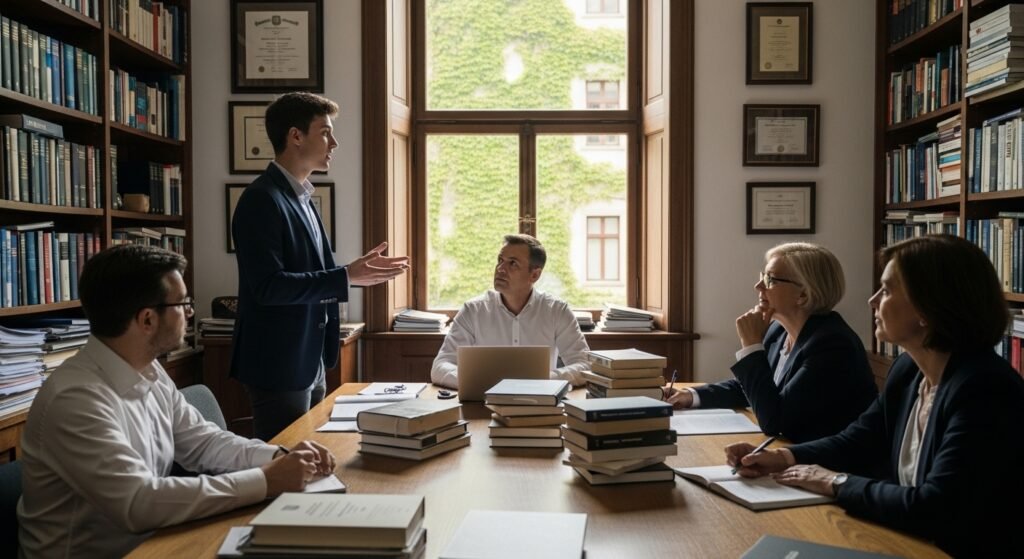
Online essay writing services do not assist students with their thesis because students must verbally explain their thesis and the process prevents academic dishonesty because it restores integrity to the grading system.
Encouraging Adaptability

Teachers help students who begin their reasoning incorrectly to return to correct thinking patterns. The student must show their ability to adjust while using fresh knowledge during this particular situation.
Developing Public Speaking Skills

Many students graduate with high grades but cannot speak in front of a group and the regular practice of oral assessments enables students to develop the confidence they need for public speaking and professional relationship building.
Strengthening Teacher-Student Bonds

Teachers can discover the exact academic problems students face through their personal connection with oral examinations. Teachers use their examination experience to help students who present specific learning challenges through their focus on student difficulties.
Validating Soft Skills

Achieving success in 2026 requires professionals to develop essential soft skills which include both empathy and tonal control. Students demonstrate their personal traits and communication style through their performance during the oral exam which needs more than what a bubble sheet can show.
