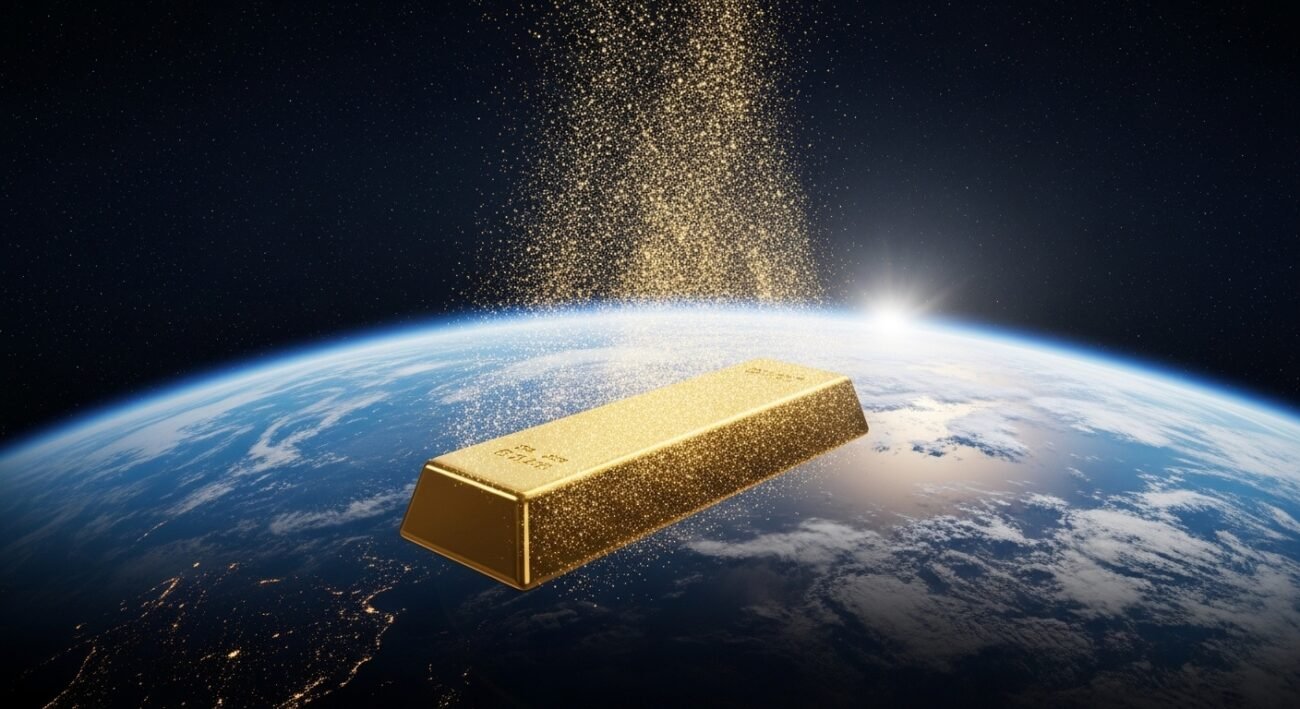
Gold is one of the scarcest materials on Earth, and its status as a permanent store of wealth has made it increasingly difficult to obtain. Most of the world’s gold reserves are now moving into places humans cannot recover, or into storage systems that permanently remove them from the global market. Understanding this “disappearing act” explains why the metal keeps its value — even as people wonder whether gold could one day vanish from Earth.
Locked in E-Waste
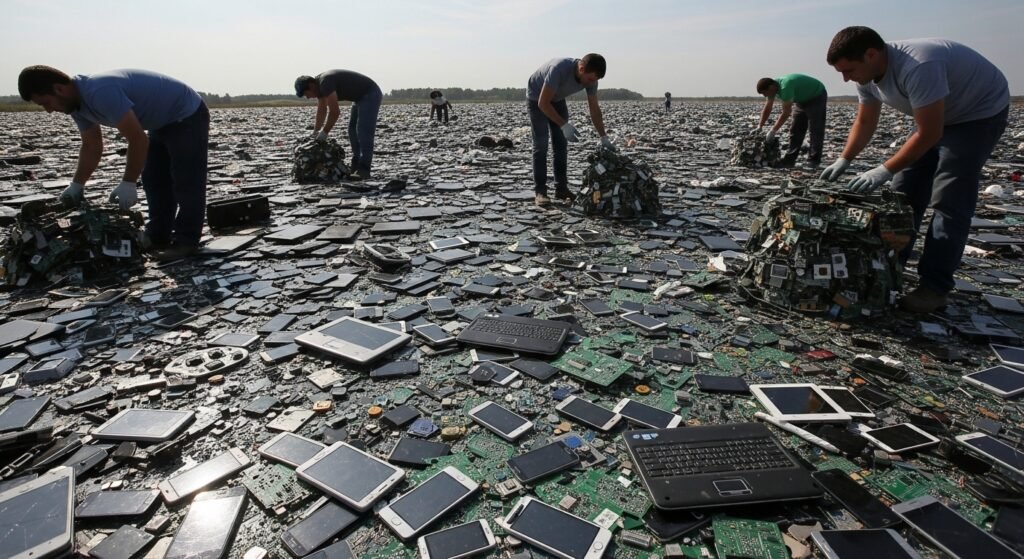
Every year, landfills receive millions of discarded smartphones and computers. Each device has circuit boards containing a small fraction of gold. Recycling these tiny quantities costs more than the gold is worth, so tons of gold stay buried in waste dumps indefinitely.
Deep Crust Migration
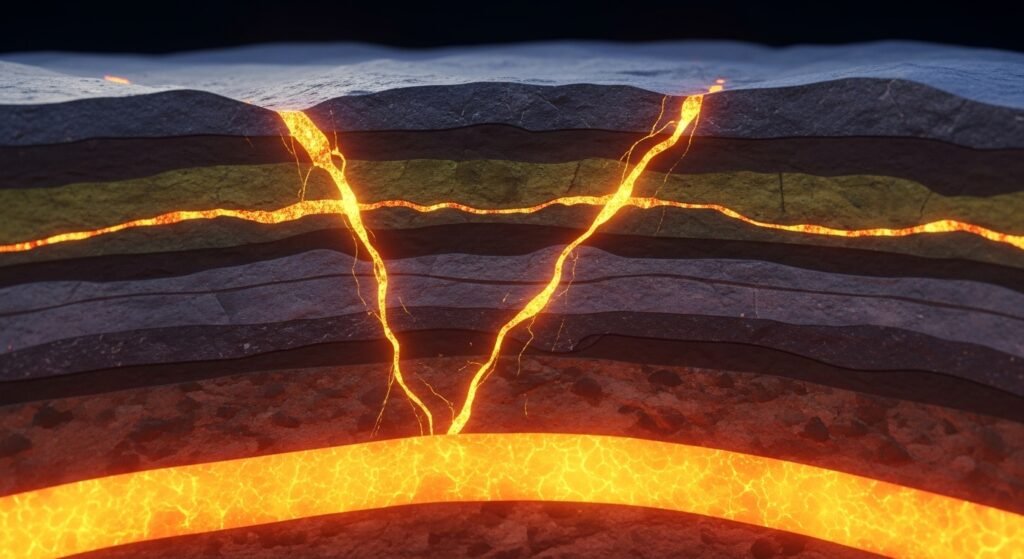
Most of Earth’s gold sank to the core when the planet formed. The gold we mine today arrived later through asteroid collisions. Over geological time, tectonic movements can push gold deposits deep into the mantle, far beyond the reach of mining equipment.
Dissolved in the Oceans

The world’s oceans hold roughly 20 million tons of gold, but it exists as dissolved particles at extremely low concentrations. No existing method can extract it economically, so that gold stays in seawater instead of entering the economy.
Industrial Consumption
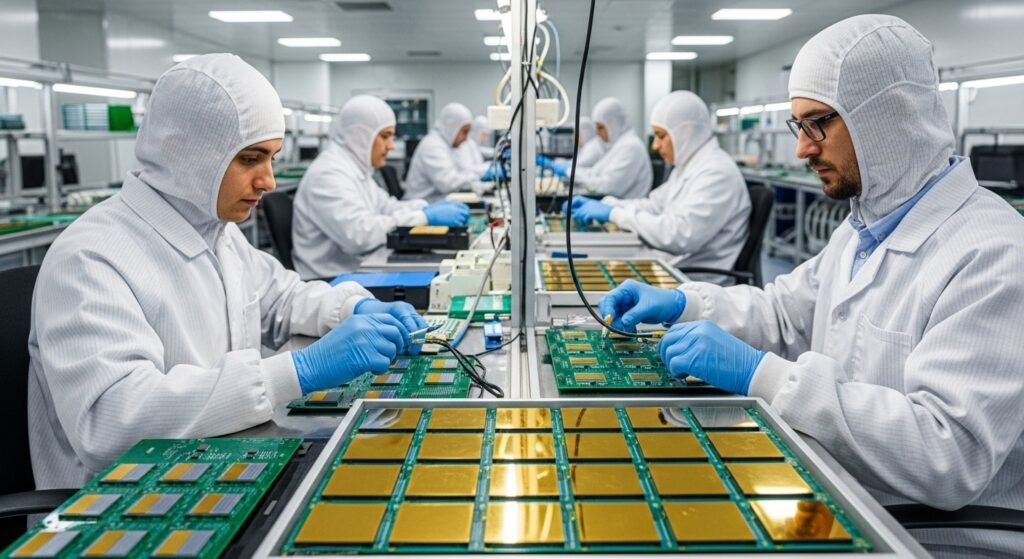
Industry uses gold for thin-film coatings and chemical catalysts. In these processes the gold becomes so finely dispersed and contaminated that recycling it is practically impossible.
Space Industry Exports
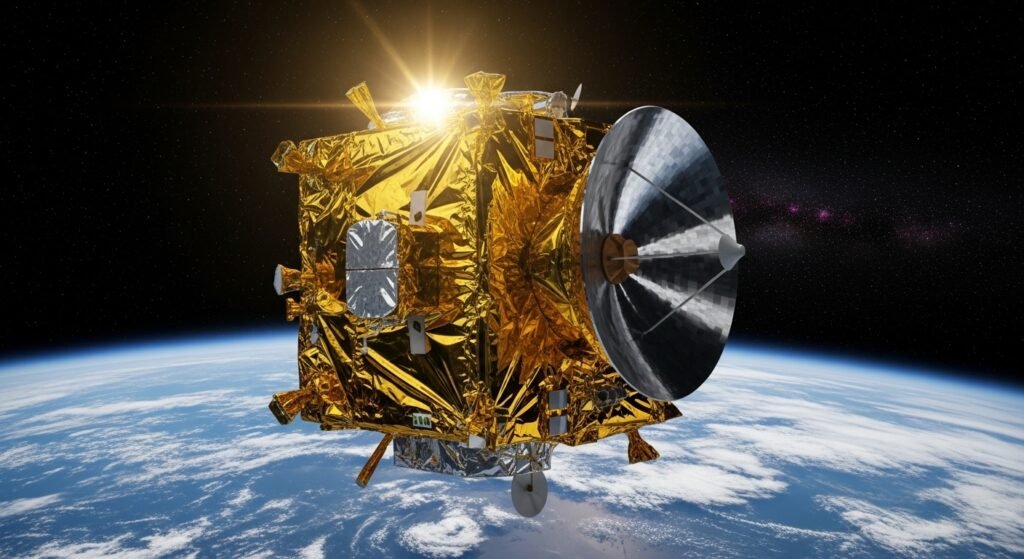
Spacecraft and satellites use gold shields against radiation and heat. Once launched into deep space or parked in “graveyard orbits,” that gold can never be recovered — a permanent loss from Earth.
Micro-Particle Loss

Gold jewelry and coins shed tiny particles whenever they touch skin or fabric. This slow “wear and tear” washes microscopic gold down drains, removing it from circulation a little at a time.
Unreachable Arctic Deposits
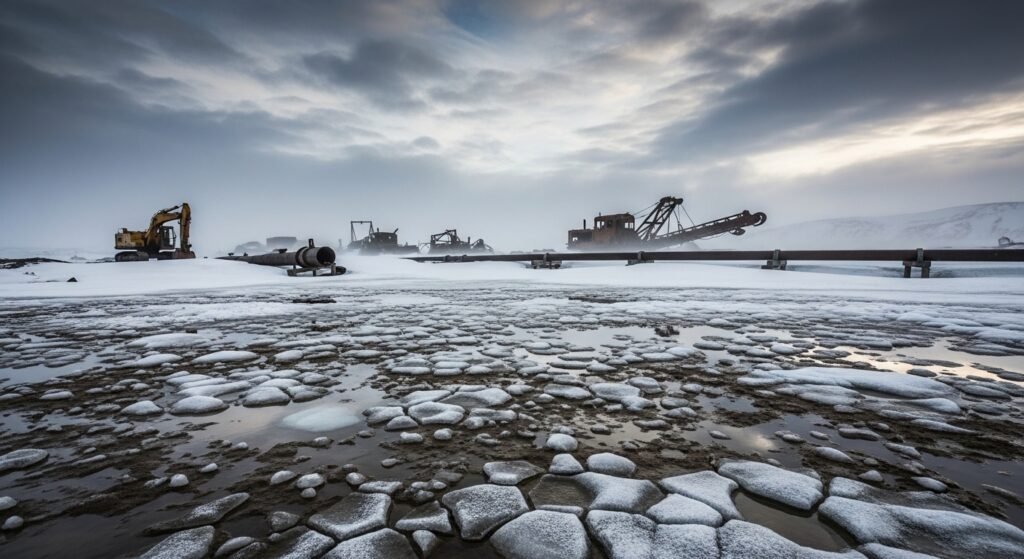
Rising temperatures are flooding coastlines and shifting permafrost over some gold deposits. Higher extraction costs and field safety risks have made recovering this gold unfeasible with current methods.
Medical Implants

Gold is biocompatible, so it is used in medical implants and dental work. Burial and cremation practices gradually remove this gold from global circulation for good.
Hoarding in Private Vaults
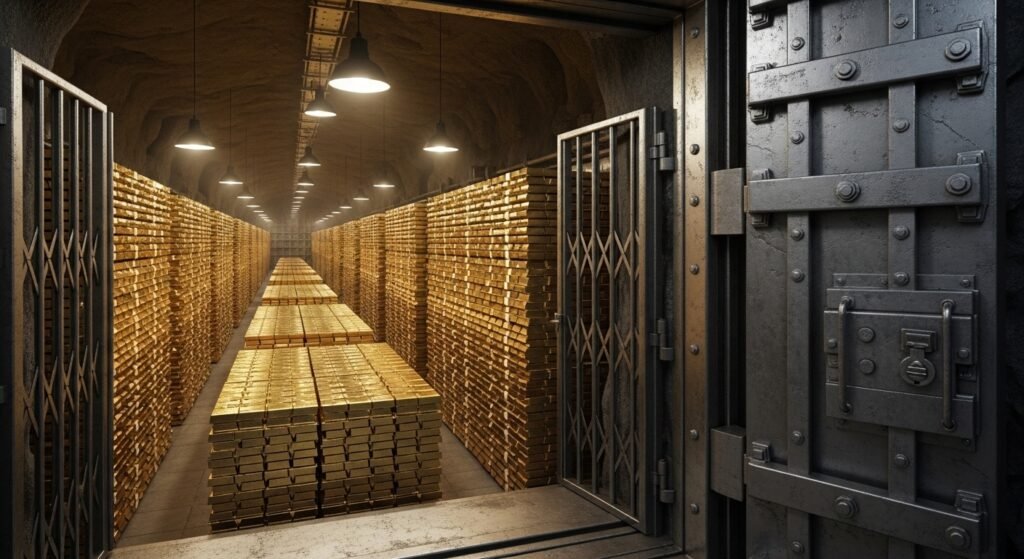
A large share of the world’s gold sits idle in physical form. Central banks and private investors keep it locked in underground vaults for decades, treating it as a reserve that will never return to circulation.
The High Cost of Recovery
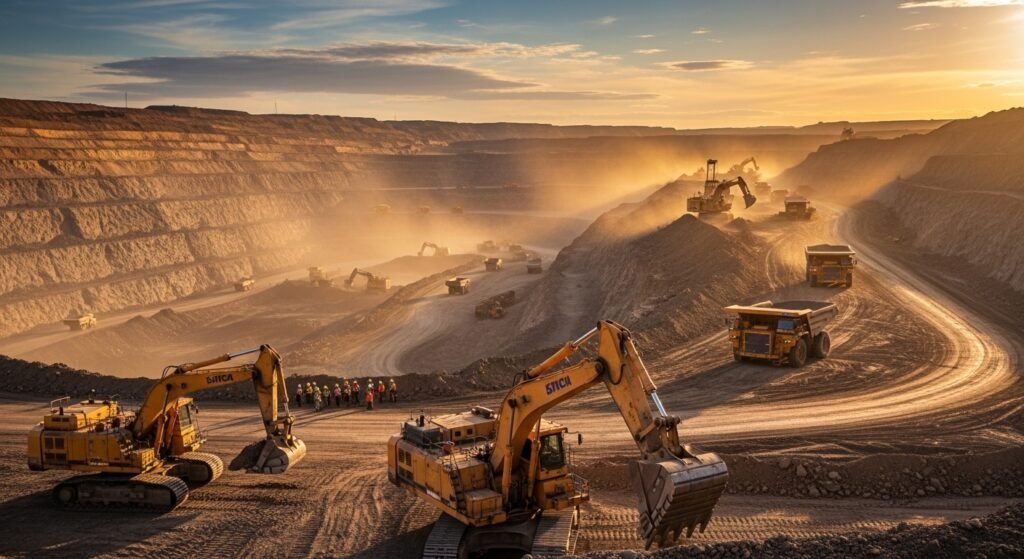
All the easy gold has been mined. What remains demands so much energy that fuel and labor costs can exceed the value of the gold itself, making extraction uneconomical.
