
The definition of a “safe-haven” asset has shifted in 2026. Investors now demand two things: real utility and frictionless movement. State-backed digital systems and scarce virtual real estate have created a new form of digital wealth that stands alongside gold — the standard for centuries. Digital ownership now offers gold-level security with far greater efficiency than physical metal.
Instant Global Liquidity

Physical gold is terrible for borderless commerce — heavy, slow, and expensive to move across borders. Digital land trades on global markets instantly, letting investors move $1 million in value within seconds for minimal fees.
Built-In Revenue Generation

Gold is a “dead” asset: it sits in a vault earning nothing. Digital land in 2026 can be rented to developers, host virtual stores, or run data-center operations — generating steady monthly income for owners.
Zero Storage or Insurance Costs
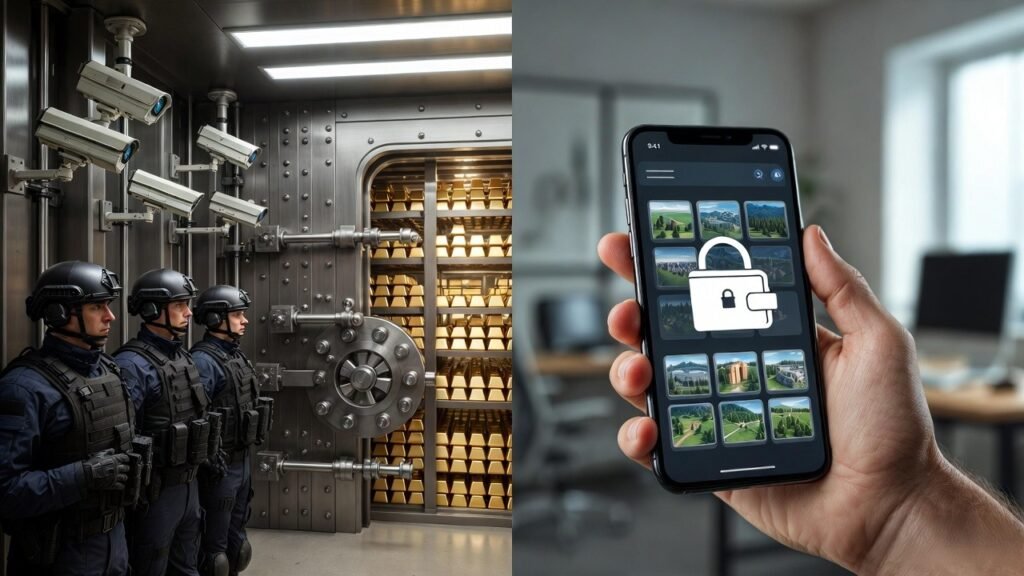
Protecting physical gold means high-security vaults and expensive theft insurance. Digital land is secured by decentralized ledgers — no vaults, no insurance premiums, and dramatically lower carrying costs.
Programmable Ownership Rights

Smart contracts automate property transfers, tax payments, and lease enforcement for digital land. No intermediaries, no lawyers, no paperwork — unlike the costly apparatus required to manage physical gold or traditional real estate.
Scarcity is Mathematically Guaranteed

Prime digital districts have fixed, code-enforced boundaries, while gold miners keep adding to global supply. Investors increasingly prefer mathematical proof of scarcity over the gamble of new mineral discoveries.
High Utility in the Creator Economy
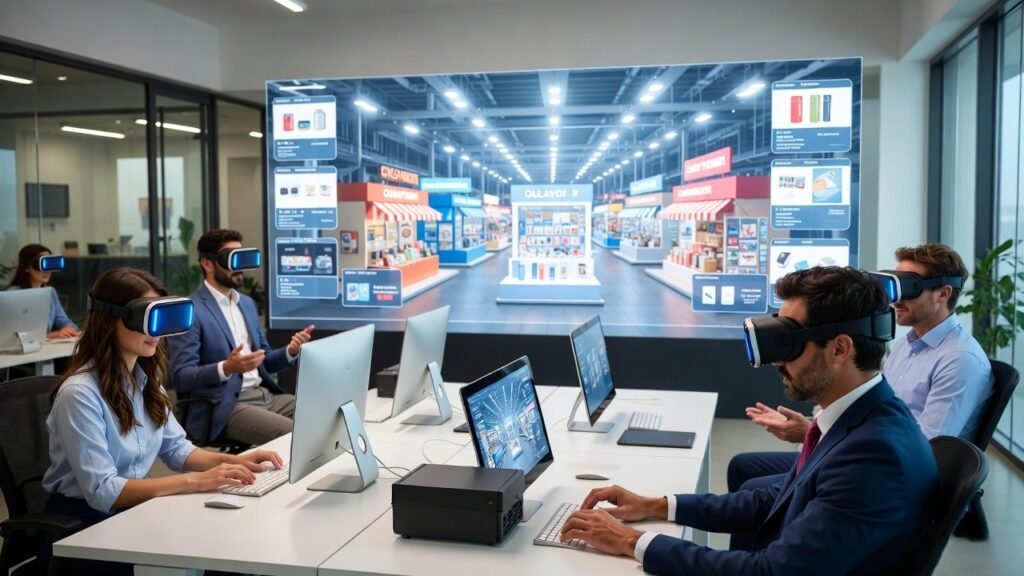
Digital land is the foundation of the 2026 digital economy — the infrastructure for virtual meetings, entertainment, and e-commerce. It is a productive tool, not just a store of value.
Fractional Ownership Accessibility
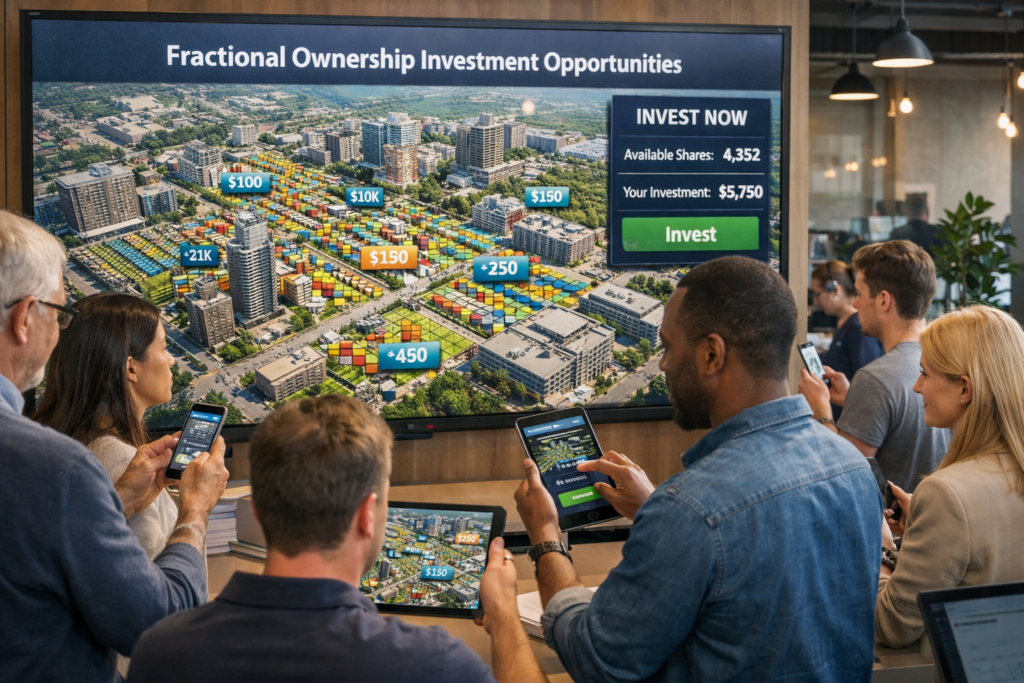
Most people cannot afford a gold bar. Digital land platforms let thousands of users own fractional shares of elite virtual districts, opening premium “real estate” to ordinary investors.
Immunity to Physical Seizure

Governments can confiscate gold bars in a crisis. Digital land held in private encrypted wallets is far harder for third parties to seize, letting owners preserve wealth across borders and regimes.
Integration with AI Economies

In 2026, AI agents need digital “space” to operate and process data. Landowners lease virtual territory to autonomous AI firms — a new industrial demand stream that gold simply cannot serve.
Verifiable and Transparent Provenance

Verifying gold’s purity and history requires expert appraisers. Blockchain records every ownership transfer and transaction for digital land, delivering total transparency and shutting out fraud.
