
Job seekers face a frustrating problem: ghost jobs — fake vacancies that will never result in actual hiring. A company’s careers page may show dozens of open positions, but most of those ads exist for other reasons: shaping public perception, harvesting data, or keeping current employees from looking elsewhere.
Projecting Constant Growth

A high volume of job postings creates the illusion of rapid expansion for investors and competitors. The company looks like a market leader with strong financials — while in reality it may have frozen hiring and be dealing with internal problems.
Building a Talent Pipeline

Companies post openings to stockpile resumes for future needs. This “passive sourcing” builds a ready database of qualified candidates, so when a real vacancy appears, hiring is faster and cheaper.
Appeasing Overworked Employees

Management posts ghost jobs to placate burned-out teams. Workers are told help is on the way — even though the company has no intention of hiring anyone.
Fulfilling Internal Policy Requirements
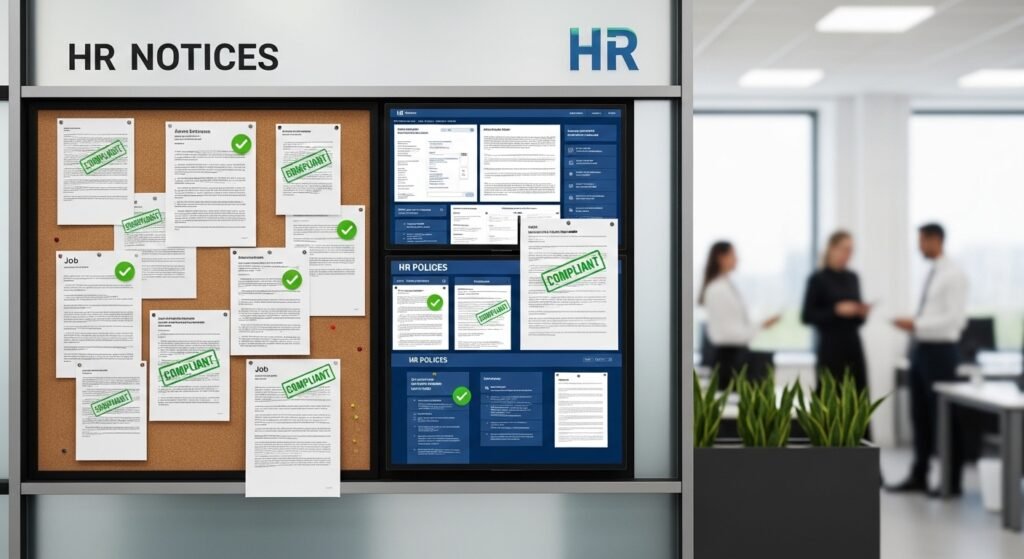
Corporate rules and government regulations often require a public posting for a set period when a manager has already chosen an internal candidate. The public listing is a ghost — no outsider ever had a chance.
Collecting Valuable Consumer Data

Resumes contain phone numbers, email addresses, and home addresses. Some unethical companies and third-party recruiters post fake jobs just to harvest this personal data, then sell it to lead-generation firms or use it for marketing.
Boosting Social Media Engagement

Job posts on professional networks generate clicks and shares. Companies use them to drive LinkedIn traffic and website visits, boosting their social authority and search rankings — at applicants’ expense.
Keeping Recruiters Busy

HR departments and recruiters need to justify their existence. Managing a pipeline of open requisitions — including screening candidates for jobs that don’t exist — makes the team look productive.
Discouraging Competitors

When rivals see dozens of technical openings, they assume new products or market expansions are coming. This strategic noise forces competitors to waste resources defending against threats that aren’t real.
Automated “Evergreen” Listings

Many companies use software that auto-refreshes job ads every 30 days. The ghost listing stays live until someone manually disables it, creating a fresh false impression for new applicants every day.
Lowering Future Salary Offers

Floods of applications from overqualified candidates for fake entry-level roles tell companies they can pay less. Ghost listings also let employers quietly gauge labor-market demand before setting salary bands.
