
Online learning is marketed as an educational revolution — flexible, affordable, convenient. The reality is more complicated. Behind the polished marketing, digital classrooms come with hidden costs that nobody mentions in the brochure. Here are the 10 truths about online learning that providers do not advertise.
The Motivation Trap

Discipline is hard without a professor watching. Students start online programs with high motivation that evaporates within two weeks — there is no social pressure to show up when the classroom is your couch.
Digital Fatigue is Real

Hours of blue-light exposure exhaust your brain faster than sitting in a physical classroom. The lesson keeps playing, but your body and mind have checked out.
Missing Social Cues
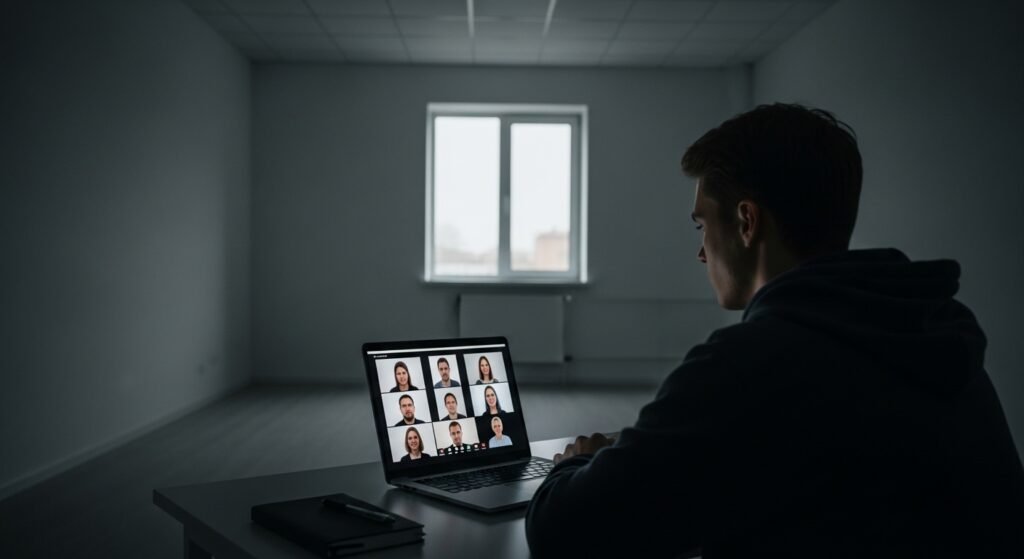
Learning happens through body language and hallway conversations, not just lectures. Online, you lose the moments when peers share discoveries between classes or teachers reveal how they actually solve problems.
The Illusion of Competence

Watching videos feels like learning, but it produces only surface comprehension. Without hands-on practice, the material vanishes from memory the moment the session ends.
Home Distractions

Your “classroom” is also your bedroom, dining room, and entertainment zone. The washing machine runs, family members wander through — and concentration does not stand a chance.
Technical Glitches

Wi-Fi drops, software updates, microphone failures. Students spend more time troubleshooting tech than absorbing course material.
Networking is Harder

Physical schools build career networks naturally. On Zoom, classmates are black squares — and professional connections do not form through profile pictures.
The Feedback Gap

In a classroom, questions get instant answers. Online, you are waiting a day for an email response while your confusion compounds.
Hidden Costs
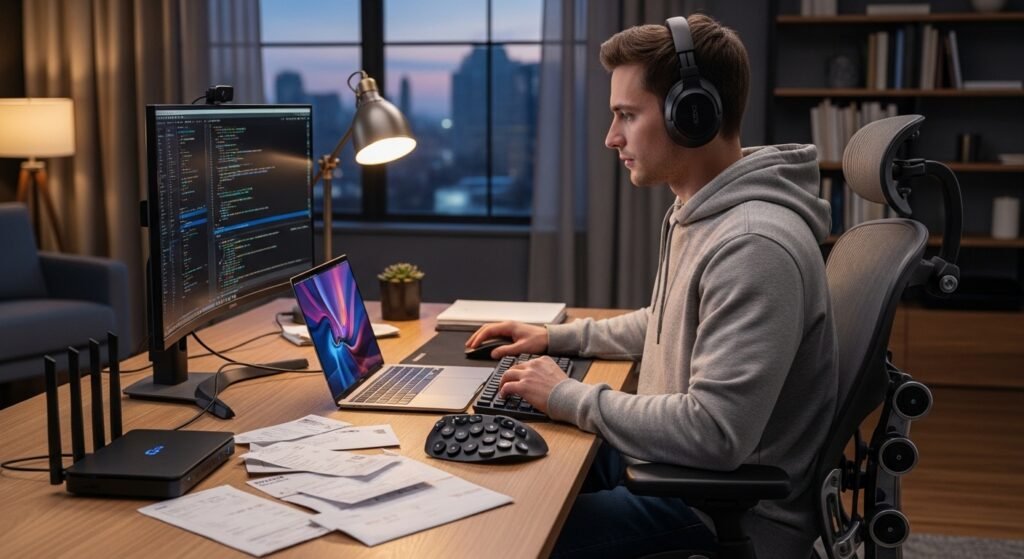
You save on gas, but you are buying high-speed internet, premium software subscriptions, and ergonomic furniture for marathon desk sessions. The “cheap” option adds up.
Lower Completion Rates

MOOCs have notoriously low graduation rates. When nobody is watching and the money is already paid, the incentive to finish evaporates.
