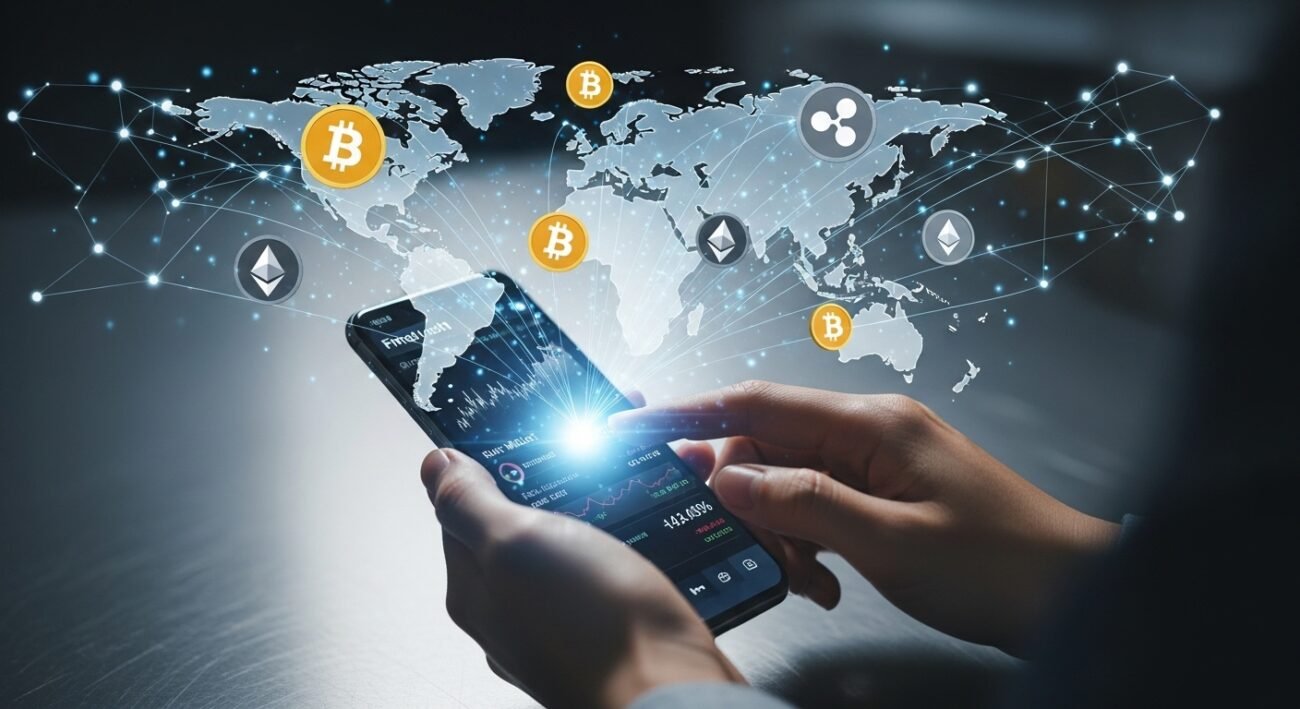
Money is undergoing its biggest transformation in centuries. As people abandon physical cash, digital currencies — from government-backed tokens to decentralized assets — are rewriting how we store, move, and think about value. Here are the 10 ways digital currency is changing everything.
Faster Transactions
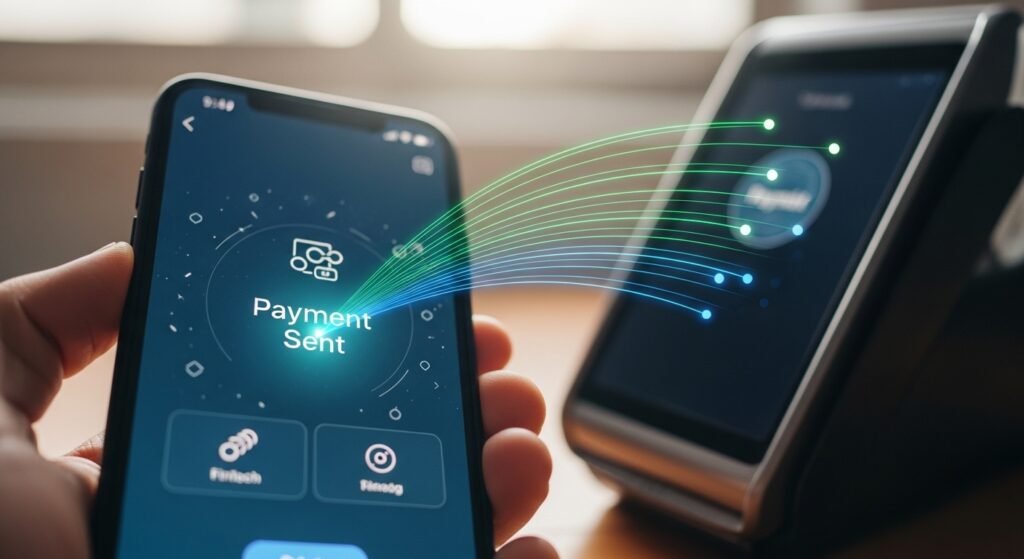
Digital payments settle almost instantly, 24/7. No more waiting days for bank transfers to clear — money moves at internet speed now.
Lower Fees
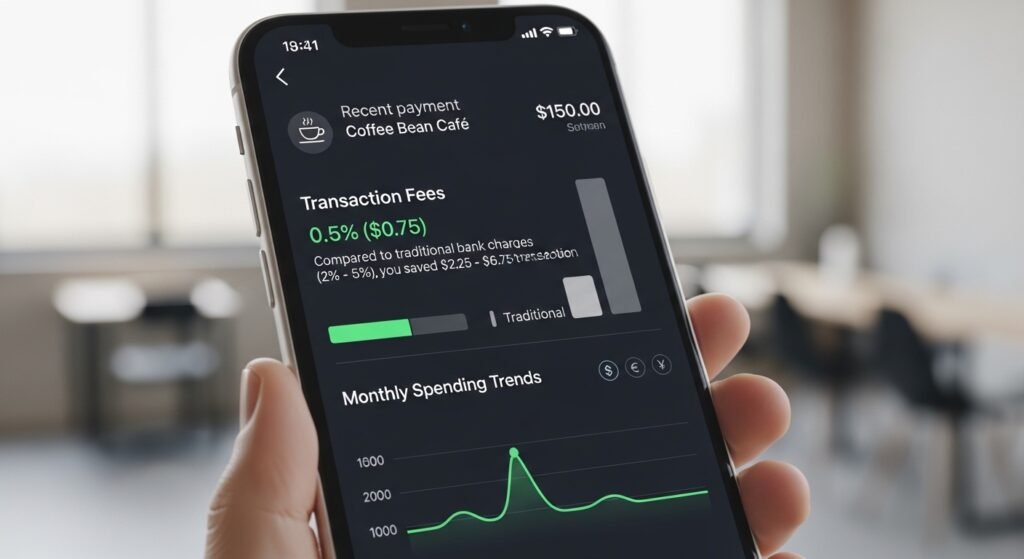
By cutting out middlemen like clearinghouses, digital currency slashes transfer costs. International payments that once carried hefty fees and conversion markups now cost a fraction.
Financial Inclusion

Billions lack bank accounts but own smartphones. Digital currency gives the unbanked a way to store value, pay bills, and join the global economy — no branch visit required.
Enhanced Security
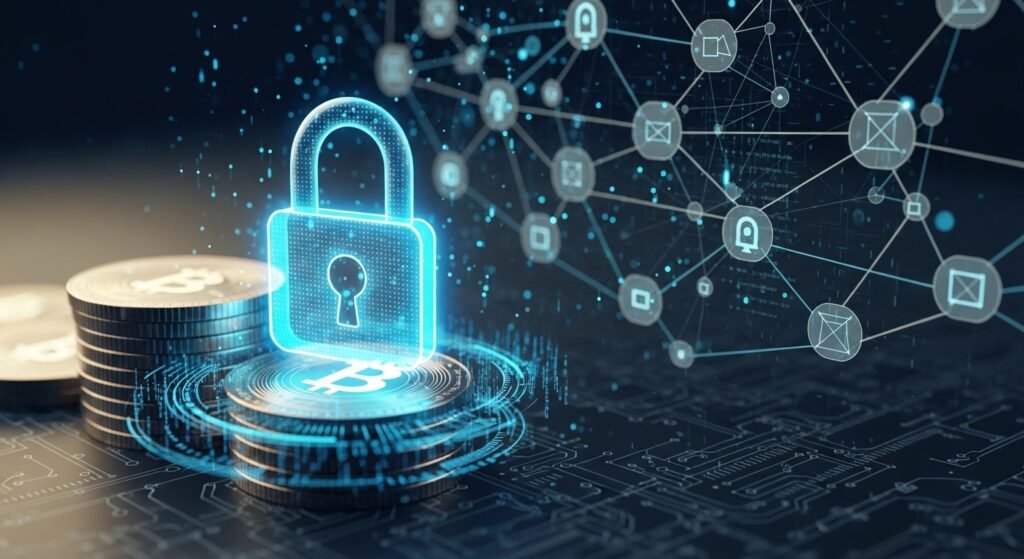
Advanced cryptography protects digital transactions from fraud and counterfeiting. Immutable ledgers make it nearly impossible for hackers to alter records or spend funds they do not own.
Programmable Money
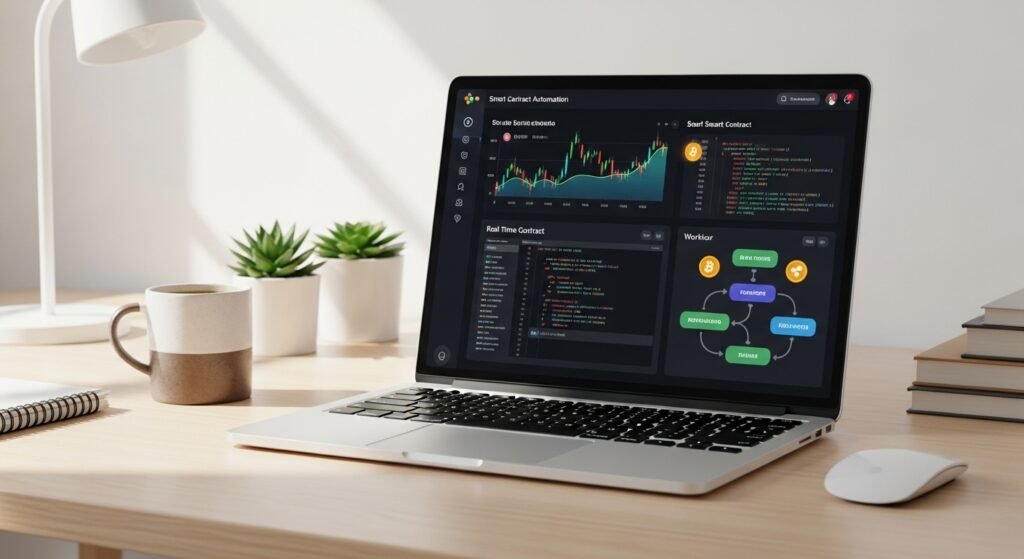
Smart contracts let money execute itself. Set conditions for automatic payments, escrow releases, or scheduled transfers — the currency enforces the agreement without intermediaries.
Greater Transparency
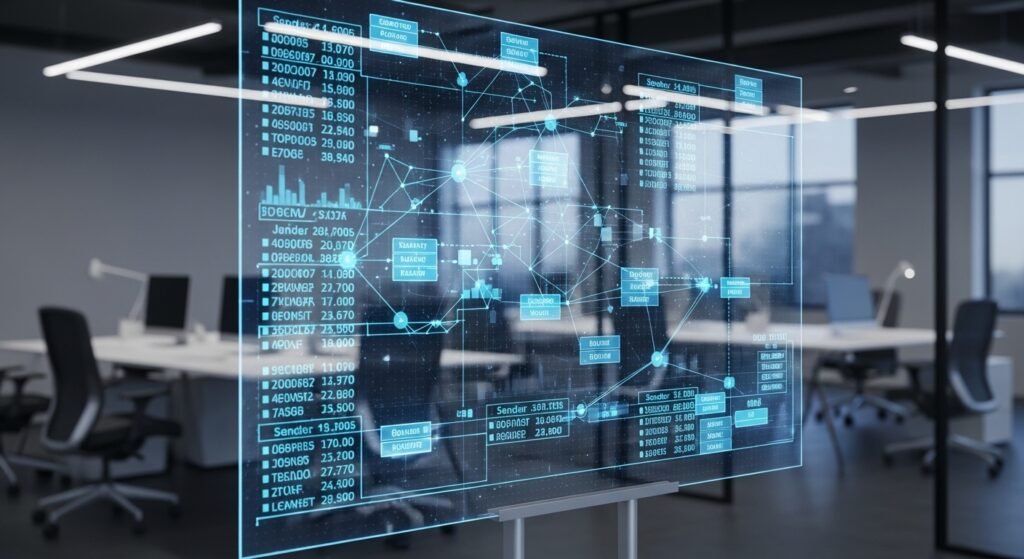
Public ledgers create a permanent, traceable record of transactions. This transparency makes tax evasion and money laundering dramatically harder to hide.
Improved Cross-Border Trade

Sending money internationally becomes as easy as sending it next door. Small businesses previously locked out of global trade by banking complexity can now transact worldwide.
Reduction in Physical Infrastructure
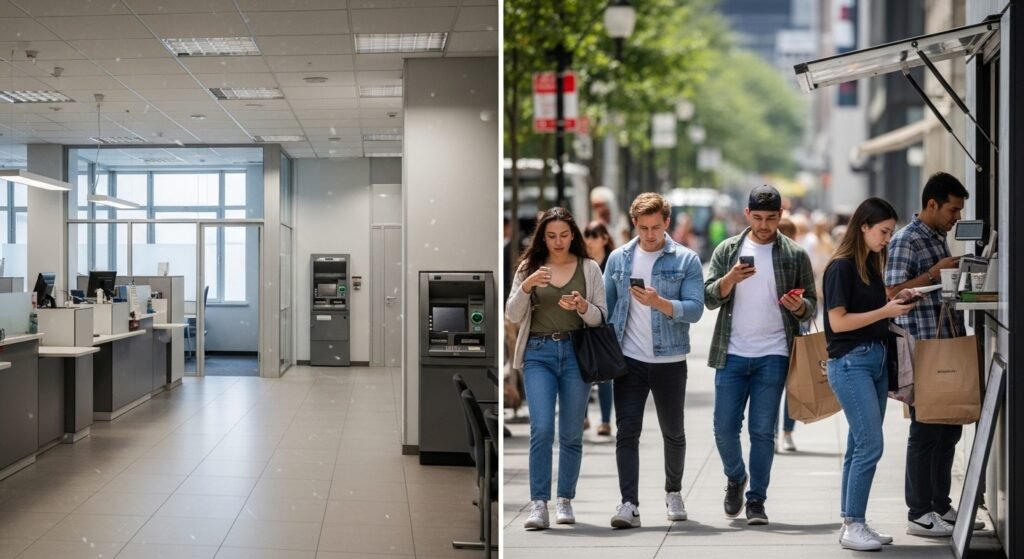
As digital payments dominate, the need for bank branches, ATMs, and armored cash transport shrinks. That means lower operational costs — and a smaller carbon footprint for the financial system.
Direct Government Support
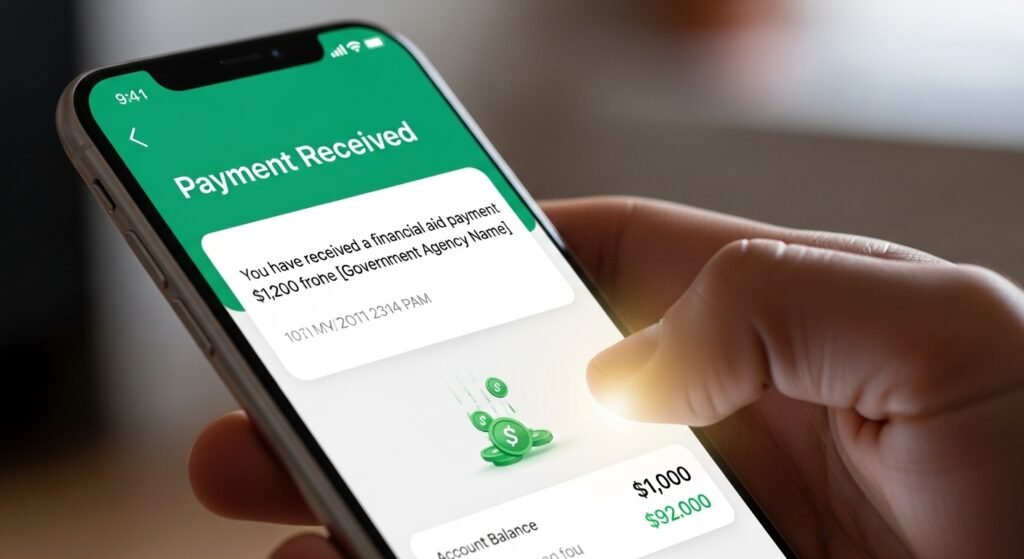
Central Bank Digital Currencies let governments send aid directly to citizens’ digital wallets. Emergency relief arrives in minutes, not weeks waiting for mailed checks.
Real-Time Auditing
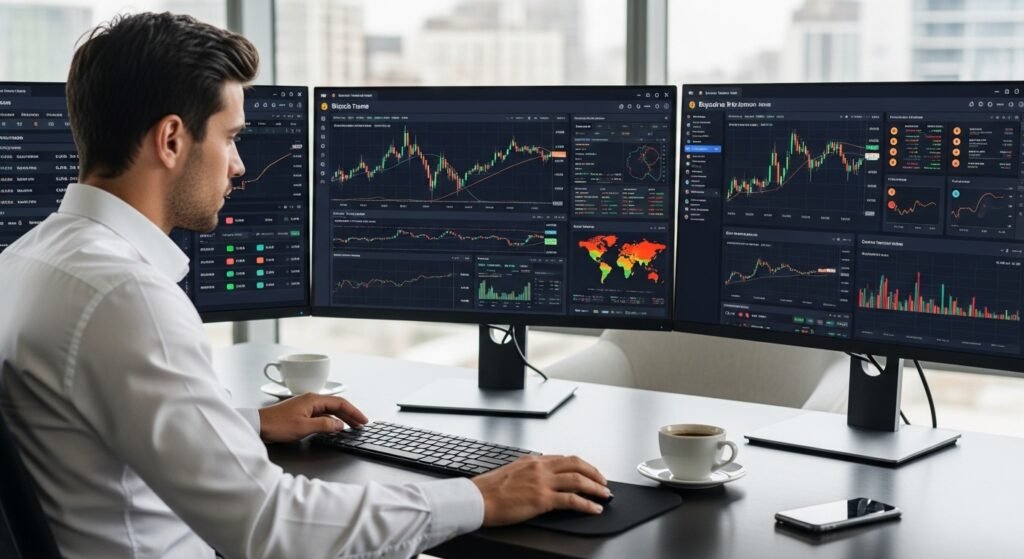
Governments and businesses can monitor finances continuously instead of waiting for monthly reports. Real-time data enables sharper budgeting, accurate forecasting, and faster crisis response.
