
The housing market has experienced extreme fluctuations like a roller coaster together with current mortgage rate changes which make potential buyers uncertain about their next steps. The assessment of whether buying a home has reached its “worst” point requires more than evaluating present interest rates. The assessment needs to examine your monthly expenses together with the current home prices and your financial situation.
Rates Are Higher Than the Recent Past
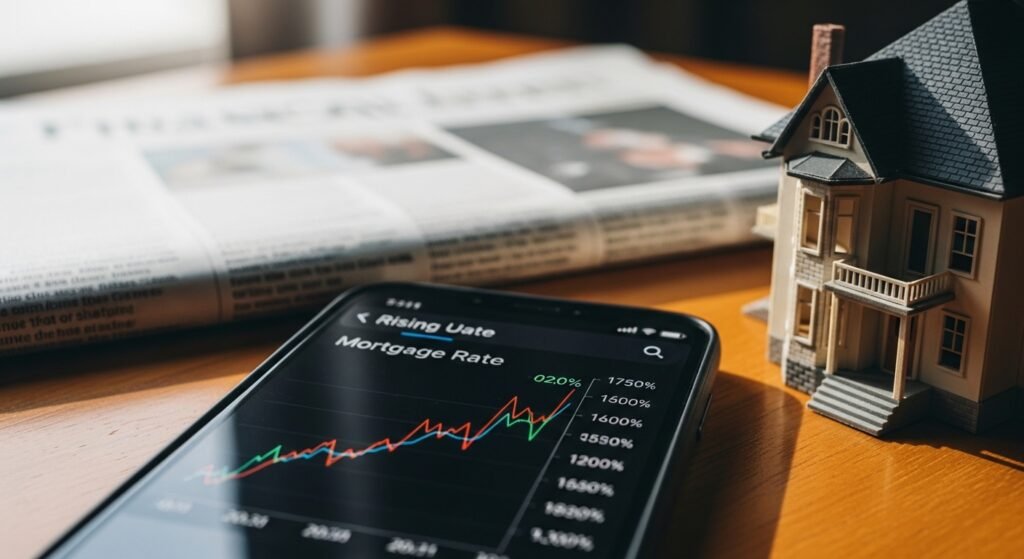
American homeowners spent many years living through times when interest rates reached their lowest levels. Current interest rates exceed the levels seen during those two “anomaly” years but their current value remains equivalent to the typical rates found in the U.S. housing market. The “sticker shock” is real, but the rates aren’t necessarily unprecedented.
The “Wait and See” Risk

Many buyers are waiting for rates to drop before they jump in. The market will experience a sudden influx of buyers when interest rates take a substantial decrease. The home price increase which results from this higher demand will erase any financial benefits which you would have gained from paying lower interest rates.
Inventory Remains the Real Problem

The worst time to purchase a home occurs because of two reasons, which include both the interest rate and the shortage of available homes. Homeowners choose to remain in their homes because they currently possess very low interest rates which they locked in during previous years. The combination of locked-in rates and low supply prevents home prices from decreasing as much as some experts had predicted.
Your Personal “Break-Even” Point

Buying a home is usually a long-term play. The importance of higher interest rates decreases for homeowners who plan to stay in their residence for seven to ten years. Homeowners will build equity over their ten-year period through appreciation which will surpass their initial interest expenses during their first mortgage years.
The Ability to Refinance

Financial experts often say, “Marry the house, date the rate.” You can secure the house now which you love at an affordable price and later refinance your loan when interest rates decline. Your purchase price will remain fixed at today’s level while you will have to keep your current interest rate for the time being.
Equity Starts on Day One

Every month you wait is a month you are paying rent to a landlord rather than paying down your own mortgage. Higher interest rates will still result in a part of your monthly payment becoming an investment in an asset which will gain value throughout time.
Seller Concessions Are Back

High interest rates have caused some buyers to leave the market, which has enabled remaining buyers to gain more buying power. The seller will pay for your repairs or “buy down” your interest rate costs during the initial years which has become more likely because of the rate reduction from 3%.
Inflation Acts as a Hedge
Real estate serves as a traditional investment which protects against inflation risks. The value of cash decreases over time, but land and home value increases throughout history. Your fixed-rate mortgage payment will remain constant, but your salary will progressively increase.
Lending Standards Are Still High
Banks take extreme caution when they decide whom to lend money to, which differs from their lending policies during the 2008 housing market crash. The market now exists on a solid foundation. Your ability to get a mortgage at this moment demonstrates that you possess the financial capacity needed to make this investment.
Competition is Lower Right Now

The “bidding wars” which previously saw buyers exceeding the asking price by $50,000 have now decreased in various regions. You can buy now because the current market allows you to take your time through the inspection process while making a decision about your purchase.
