
Choosing a college major is one of the most important financial decisions you will ever make. Some fields of study leave graduates with debt-to-income ratios that are nearly impossible to manage. Here are 10 degrees most closely linked to heavy student debt, and why they create such financial strain.
1. The Specialized Arts Trap

Studying fine arts, music, or theater often means paying for private conservatories plus expensive materials and equipment. The job market for entry-level arts positions is fiercely competitive and salaries are low, leaving graduates to spend most of their income on monthly loan payments.
2. Veterinary Medicine’s High Entry Cost

Veterinarians must complete many years of advanced education beyond their undergraduate training. Vet school tuition has risen sharply, yet starting salaries remain far below those of human doctors. Graduates often carry debt equal to two or three times their annual earnings.
3. Private Liberal Arts Humanities

Humanities studies build valuable critical thinking skills, but earning the degree at a costly private university is a financial hazard. Graduates who paid premium tuition often land basic office jobs where loan interest accrues faster than their paychecks can cover.
4. Law School’s Middle-Tier Crisis

Graduates of law schools outside the top tier face severe loan burdens. Public service and small-firm jobs pay far less than graduates expect, yet mid- and lower-tier law school alumni still carry six-figure debt from their programs.
5. For-Profit Career Colleges
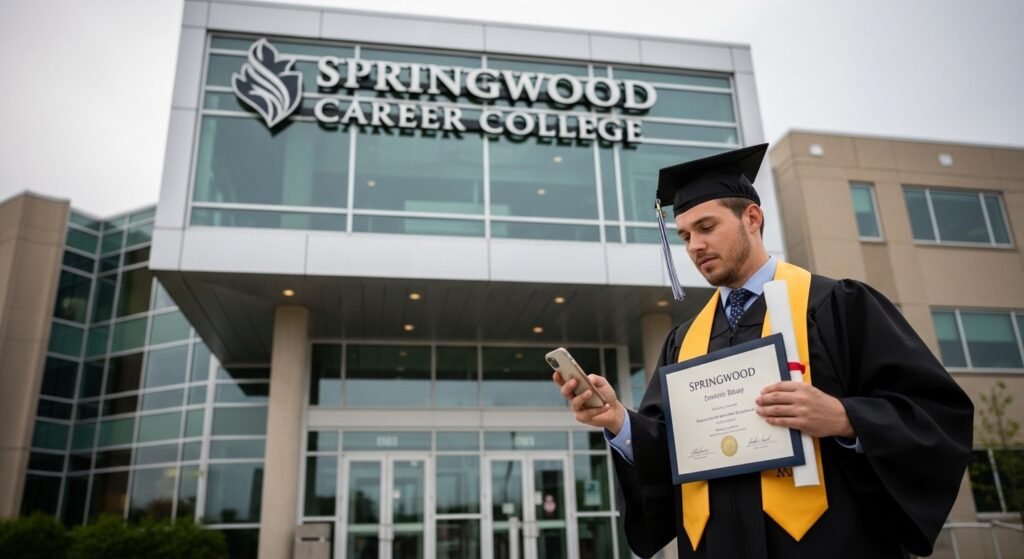
For-profit institutions charge far more than public community colleges and state schools for comparable programs. Students end up with high debt burdens attached to degrees with low market value, making it hard to find work that justifies the cost.
6. The “Master’s Degree” Requirement in Social Work

Social workers need a master’s degree to advance, yet social work remains one of the lowest-paying professions requiring graduate education. Professionals pay for two degrees worth of schooling and end up with salaries that barely cover basic living costs.
7. Architecture’s Long Road

Becoming a licensed architect requires either a five-year degree or a master’s program plus more than 3,000 hours of practical experience. Add the cost of specialized software and materials, and graduates face debt that exceeds their starting salaries for years.
8. Psychology without a Doctorate

Psychology is one of the most popular bachelor’s degrees, but it leads to few high-paying jobs without further education. Students who borrowed for undergrad must take on even more debt for the Ph.D. or master’s program their career requires.
9. Culinary Arts and Hospitality

High-end culinary schools charge tuition rivaling traditional universities, yet the restaurant industry pays starting salaries at or below minimum wage regardless of education. Chefs often need a decade of work before they earn back what they spent on culinary school.
10. Religious Studies and Divinity

Most students training for ministry attend private seminaries with high tuition. Graduates who serve religious and nonprofit organizations earn modest salaries that make it extremely difficult to pay down their student loans.
