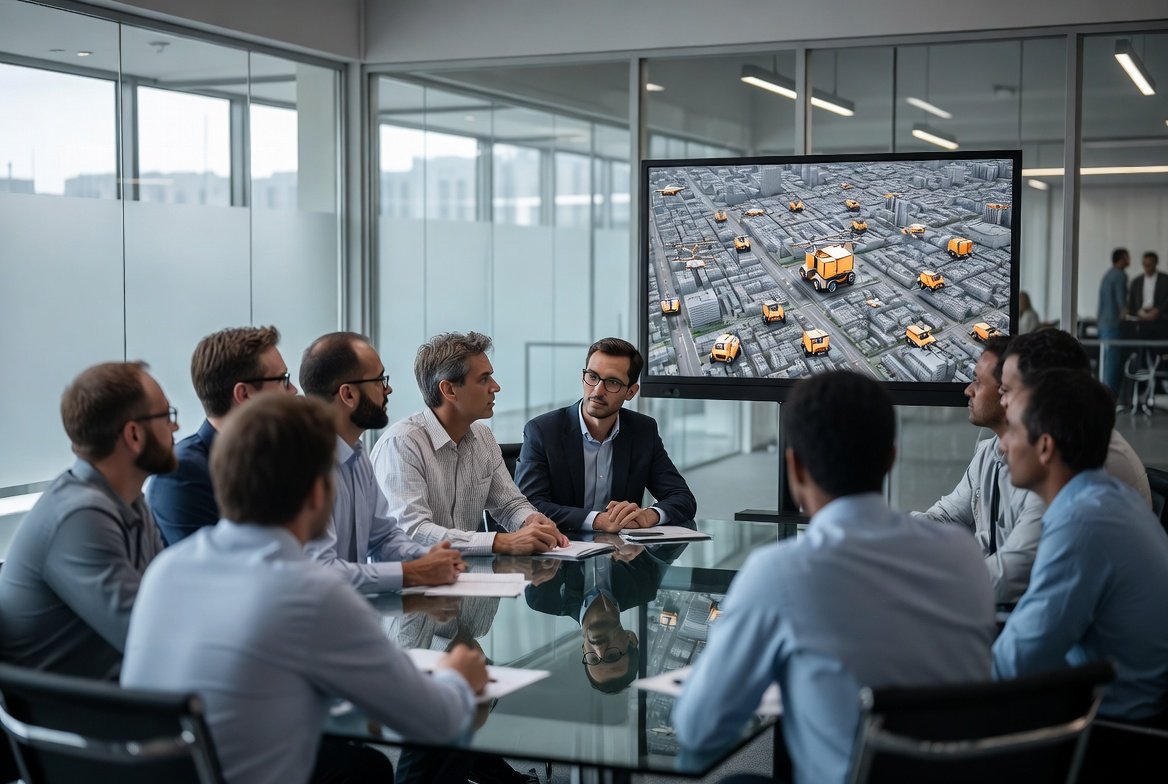
The present startup business model which claims to deliver autonomous delivery services at full scale receives the strongest doubt from startup experts. The vision which shows numerous small robots and drones delivering coffee and groceries through urban areas faces serious obstacles in real-world execution. The engineers and investors have started to understand that solving the “last mile” challenge requires more advanced methods than performing standard software updates.
The Unstructured Sidewalk Creates Chaos
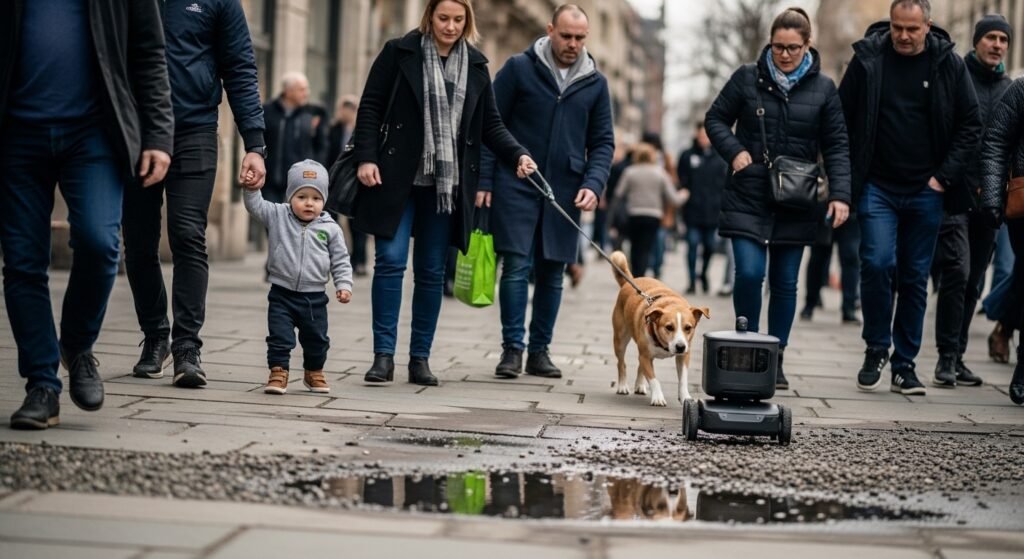
Sidewalks behave differently from highways because they show unpredictable behavior. Robots encounter challenges when they need to navigate through spilled liquids and loose gravel and moving pets and toddlers. The “pedestrian zone” creates a disorganized space which requires people to use common-sense reasoning abilities that current AI technology has not yet developed.
The Battery Life Bottleneck
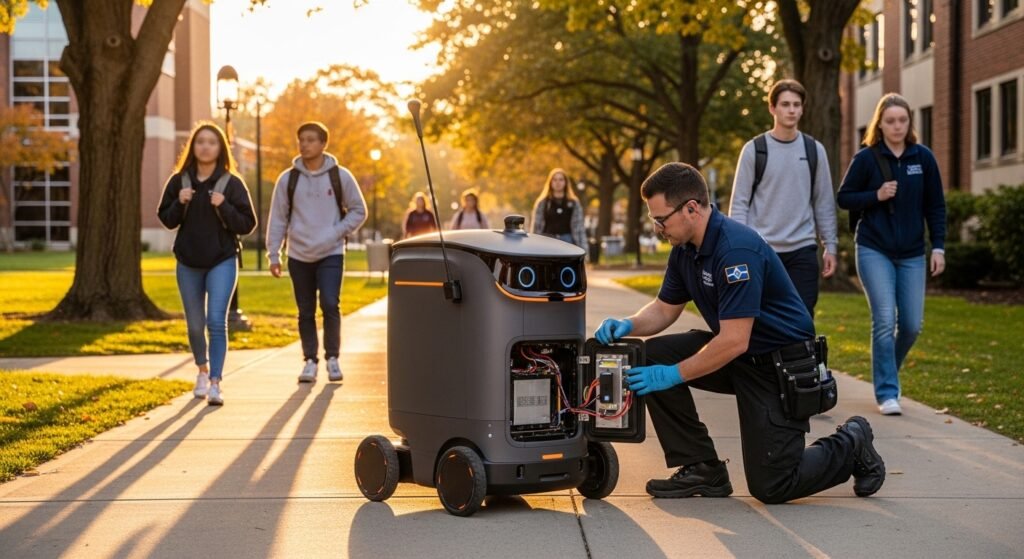
Hardware requires heavy weight for its transportation which needs a substantial amount of energy. Delivery bots waste most of their battery power by transporting their own body weight which makes it impossible to carry any cargo. The “range anxiety” issue restricts these startups to operate in small flat areas of college campuses instead of actual busy urban centers.
Vandalism and Theft Risks
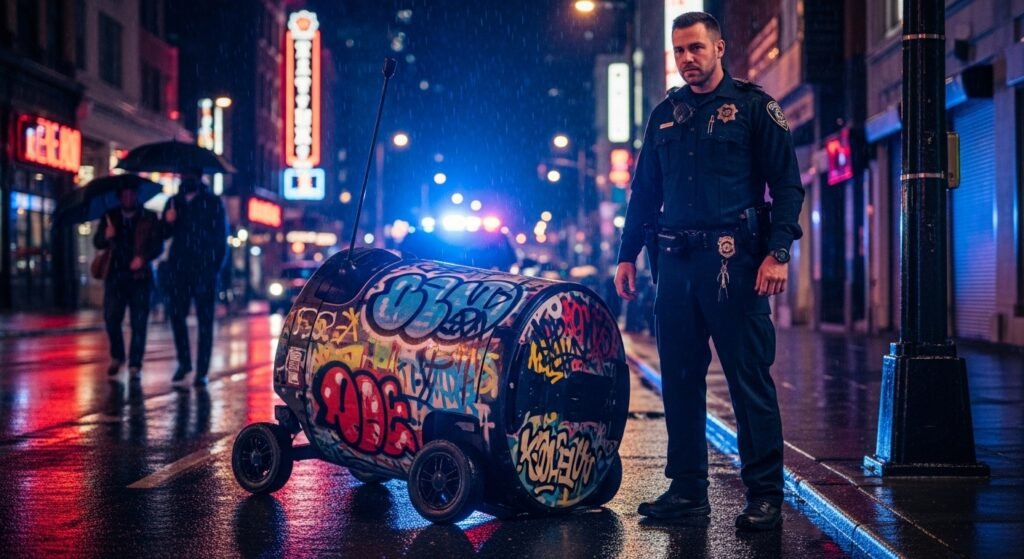
The robot contains valuable electronics and consumer items which make it an appealing target for thieves. The machines become easy targets for vandals to tip over or spray paint or break into when there is no human presence to protect them. The expenses associated with fleet maintenance and security measures exceed the profits generated from delivering packages at five-dollar fees.
The “Urban Clog” Problem
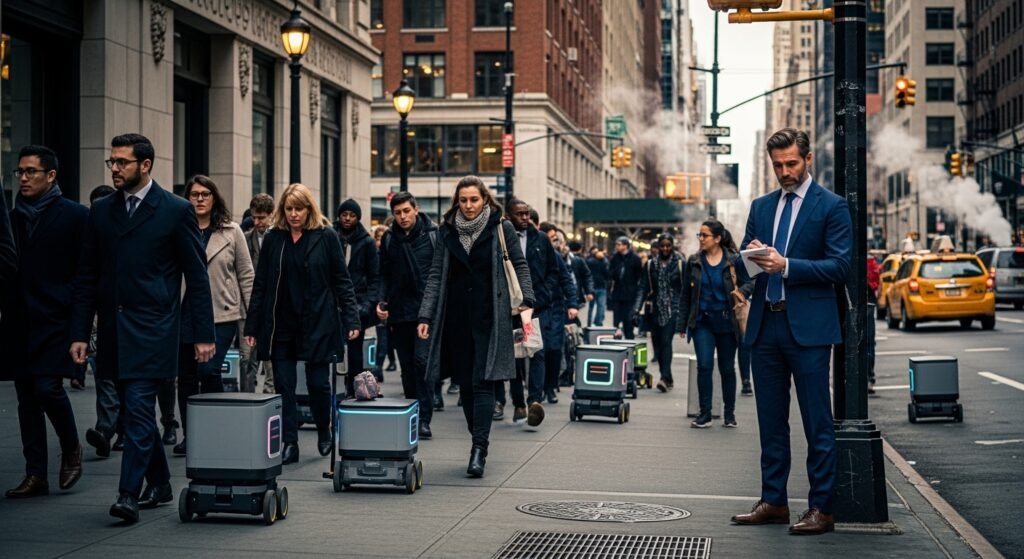
Cities already face overcrowding problems. The deployment of hundreds of robots by a company on busy sidewalks in New York and London creates public problems. Local governments are currently developing regulations which will restrict the maximum number of robots permitted to operate on a path simultaneously thus jeopardizing the startup companies who need to achieve “mass scale” operations for their business profitability.
Extreme Weather Failures
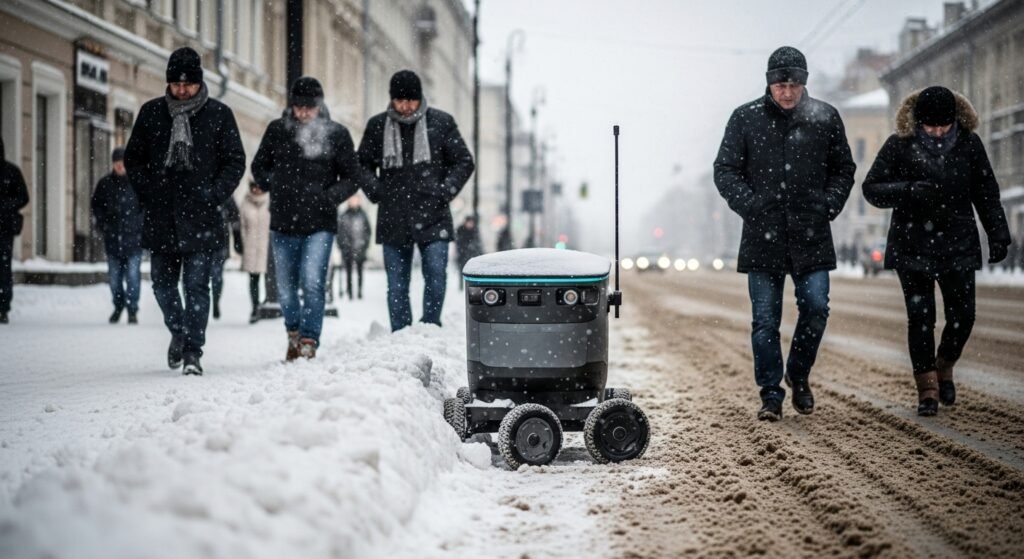
Delivery bots only function under clear weather conditions. Heavy snow and deep puddles and extreme heatwaves disable the robot sensors while they become stuck. A delivery service which stops functioning with the first drops of rain fails to establish itself as a dependable service for customers needing food.
The Low Profit Margin Trap
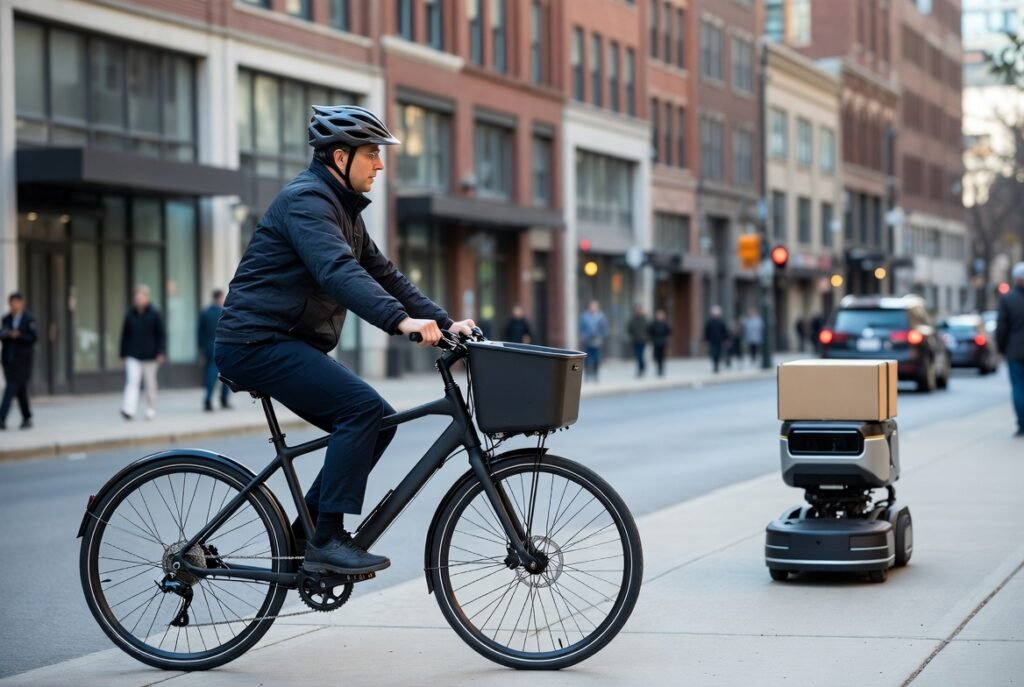
Delivery operations generate extremely low revenue of only “pennies” per transaction. The total expenses for high-tech robot development and operation and remote human oversight services usually exceed the robot’s operational costs. The most economical solution which also provides quicker results requires payment to bicycle riders.
Regulatory Red Tape
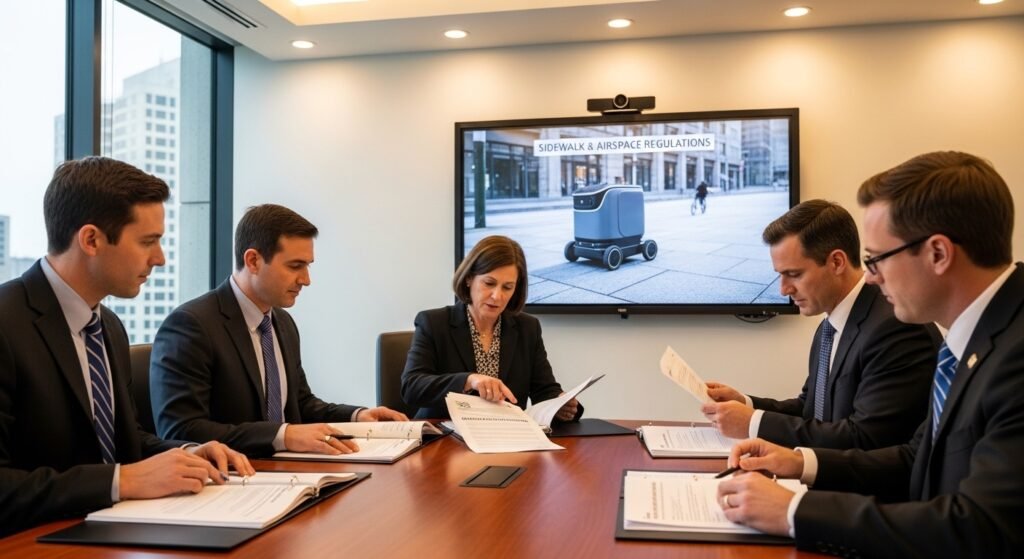
Airspace and sidewalk rights receive strong legal protection. Drones must meet stringent “line of sight” operational requirements while robots cannot exceed established weight restrictions. The need to comply with various legal standards in each city and town makes it almost impossible for startups to achieve rapid nationwide growth.
The Difficulty of Apartment Access
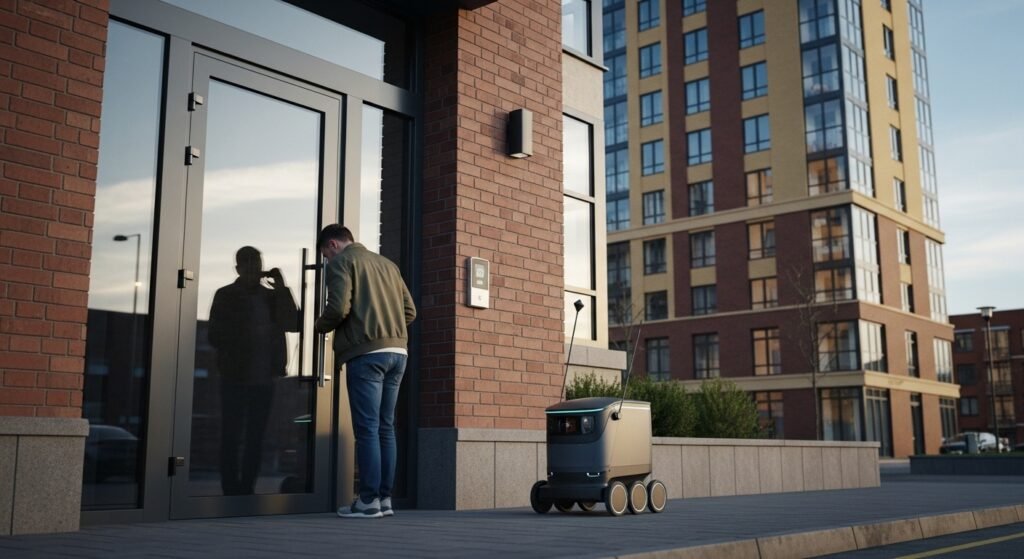
Robots can reach front doors, but they lack the ability to press buzzers or enter lobbies or use elevators to reach 12th-floor locations. The robot handles its job only halfway because multiple-story buildings constitute a large part of the target market forcing customers to come outside.
Insurance and Liability Nightmares
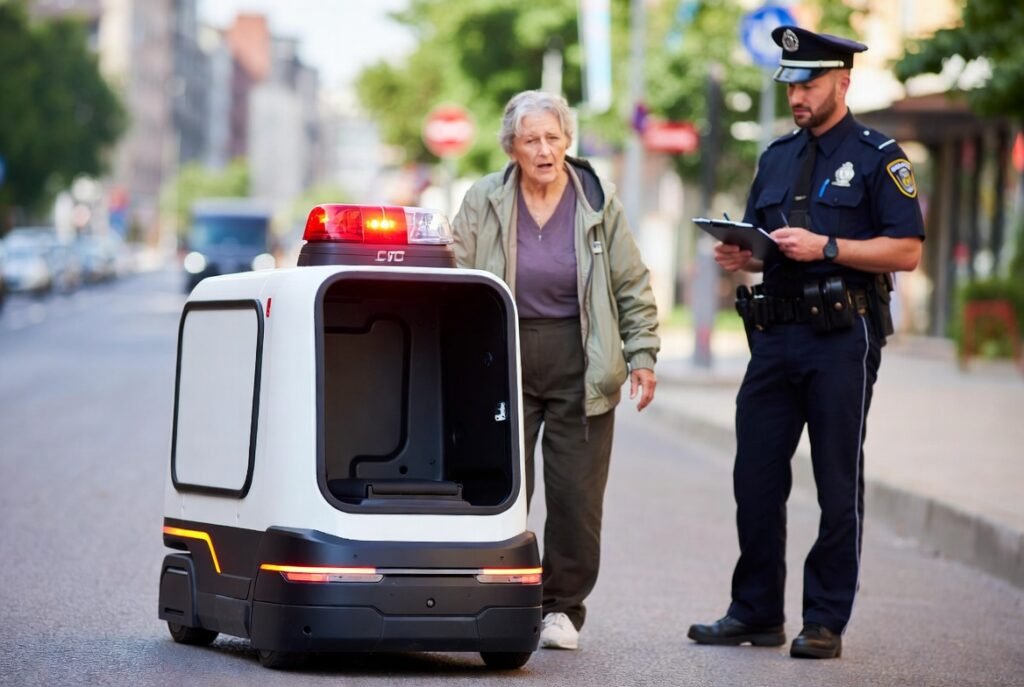
A robot accident involving an elderly pedestrian or bike rider results in serious legal consequences. The insurance costs for operating autonomous vehicles in public environments exceed all labor expense savings potential.
Sensory Overload in Dense Areas
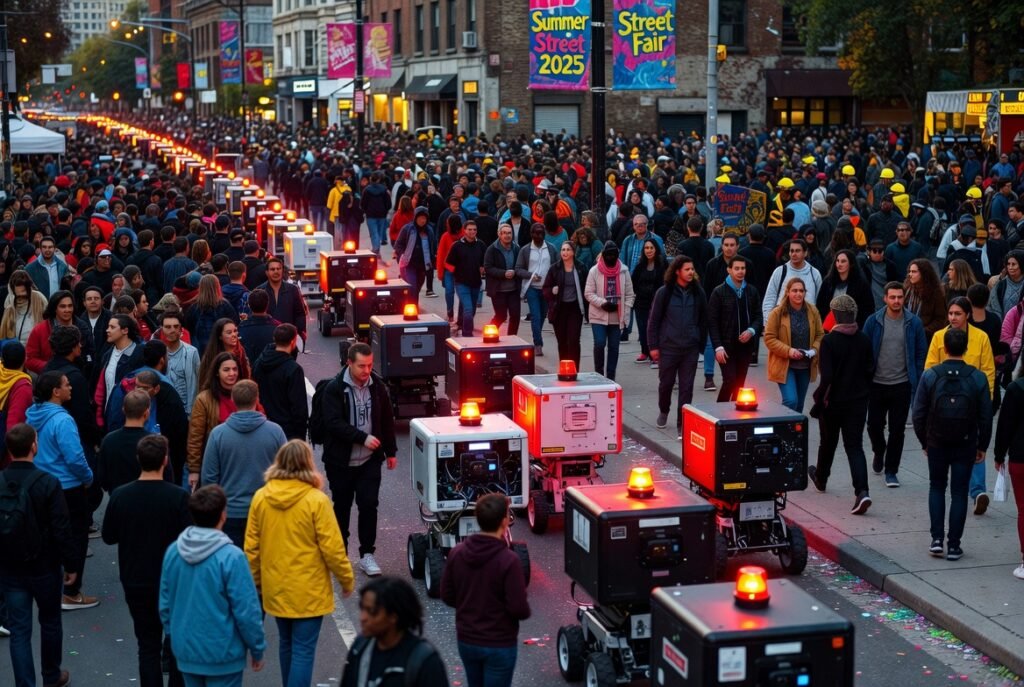
The sensors of robots in crowded spaces experience a surge of input information all at once. The system defaults to “safe mode” which causes it to remain stationary until the area becomes clear of people. The robot “traffic jams” occur because robots lack the ability to navigate through a crowd of people.
