
The economic success of New York City depends on its complete economic system operating at full capacity. The climate in the city has become tense because government entities and large companies and small business operators now engage in a battle-like relationship. The city must change its approach from operating as a separate entity to working together with other parties to maintain its position as the global financial and cultural epicenter.
Strengthening Small Businesses

Small shops represent the essential identity of New York’s neighborhoods. The local business owners can continue their operations after you reduce the intense enforcement of heavy fines and complex permit requirements. The cooperative partnership between them and the organization provides business development resources which support their growth.
Improving Public Safety
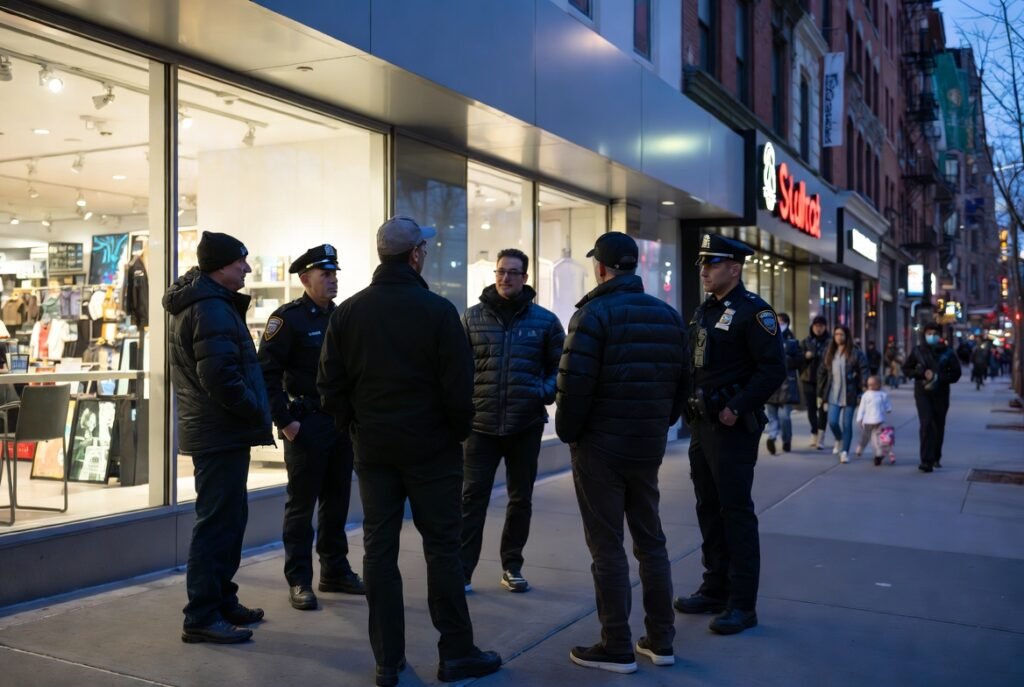
Safety programs require local governments and businesses to work together for successful implementation. Shops improve their security systems, which leads to better investments in their storefront designs and later operating hours, thereby boosting street activity that protects all pedestrians.
Investing in Workforce Development

The city and the technology companies should work together to build training programs which will solve current workforce development issues instead of continuing to discuss the skills gap problem. This training program prepares New Yorkers for the upcoming high-paid job vacancies that will emerge in their local area.
Modernizing Infrastructure
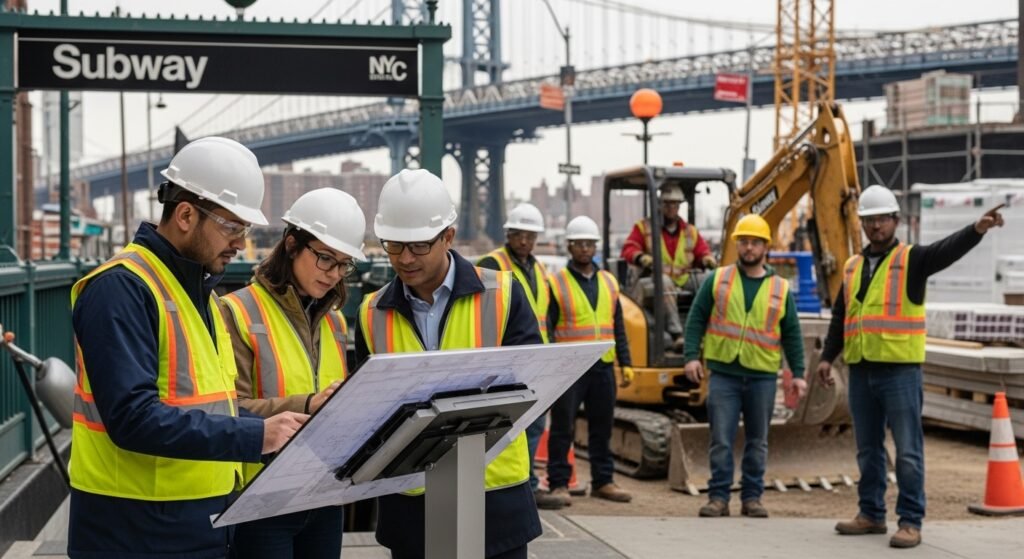
New York’s subway system and bridge structures require ongoing maintenance work to stay operational. The private sector needs to partner with city engineering and technology firms to replace the outdated municipal systems through innovative solutions which provide faster and better results than government resources alone.
Creating Affordable Housing
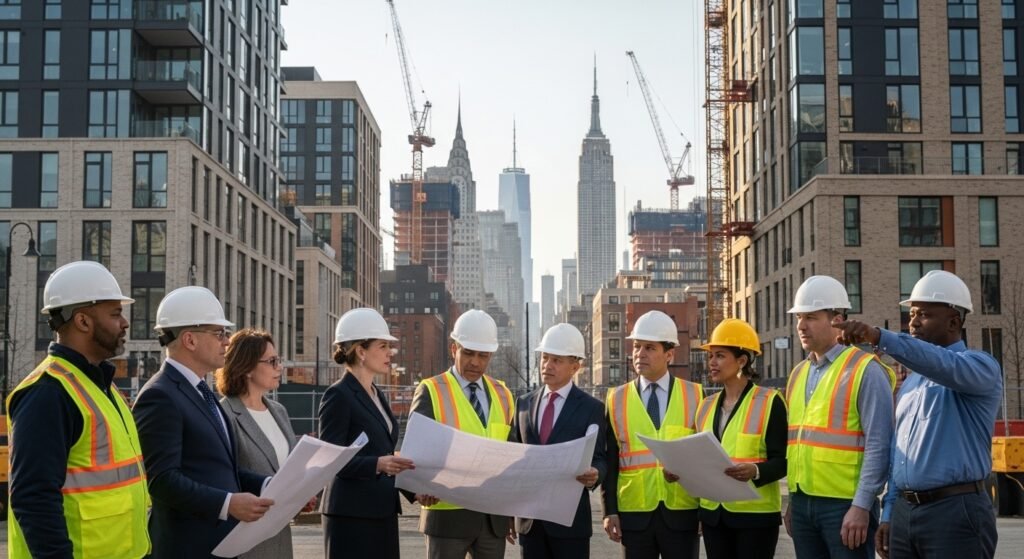
The housing crisis requires partners to solve this mathematical problem. The city should use developer incentives to create construction projects which will produce the necessary new housing units that lead to lower rental costs.
Encouraging Green Innovation
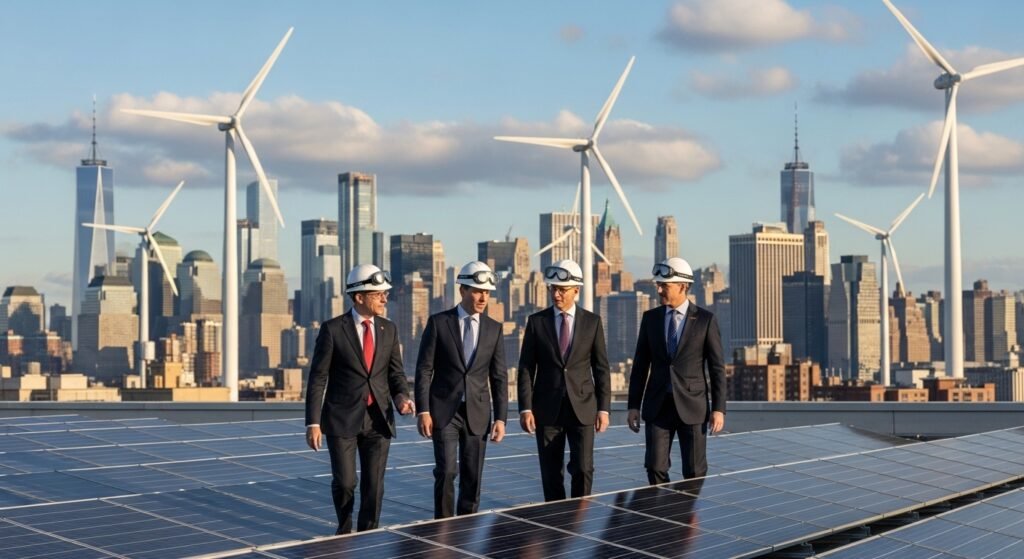
New York has the potential to become the global leader in climate technology if government entities and energy companies stop their current conflicts. The city can achieve carbon footprint reduction through cooperative green building initiatives which help businesses cut down their compliance costs.
Streamlining Bureaucracy

“Warfare” typically appears as an endless sequence of bureaucratic hurdles. The cooperative government should implement digital-first systems which enable businesses to start operations within weeks instead of taking months to complete, thus creating immediate local employment opportunities.
Promoting Tourism Together
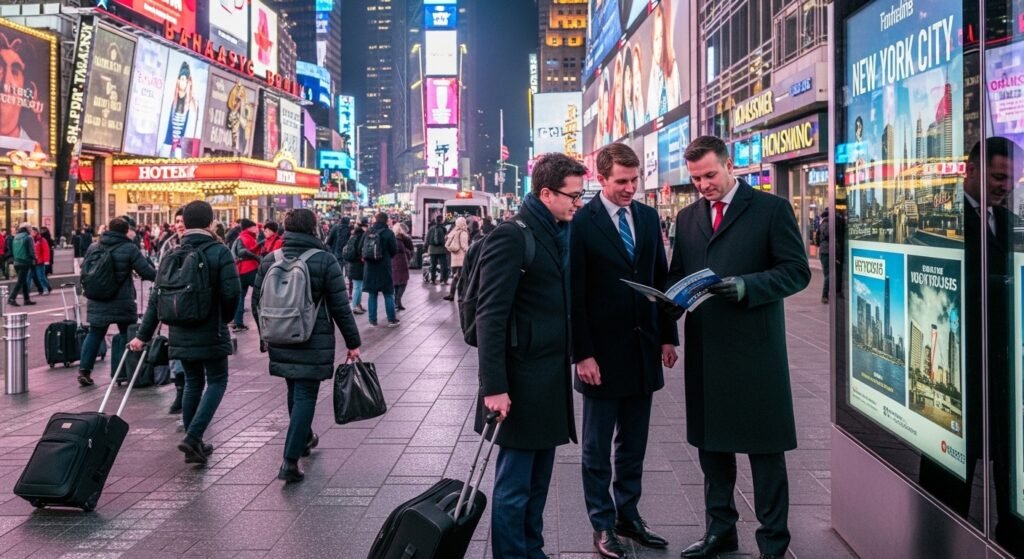
Tourism represents the main economic driver for New York City. The city works with hotels and restaurants through joint marketing programs to attract visitors who will spend money at Broadway theaters and restaurants which support hotel operations.
Reducing Legal Friction

The business operations face difficulties because companies need to spend resources on handling lawsuits while governmental agencies impose “gotcha” regulations which disrupt their ability to expand. Business operations gain more assurance through the transition from ambiguous legal processes to mediation and documented procedures.
Building a Shared Vision

The city and business community share a common goal, which is to achieve a prosperous and lively New York City. Both parties need to stop using an “us versus them” mindset which prevents them from finding solutions and results in mutual problem identification.
