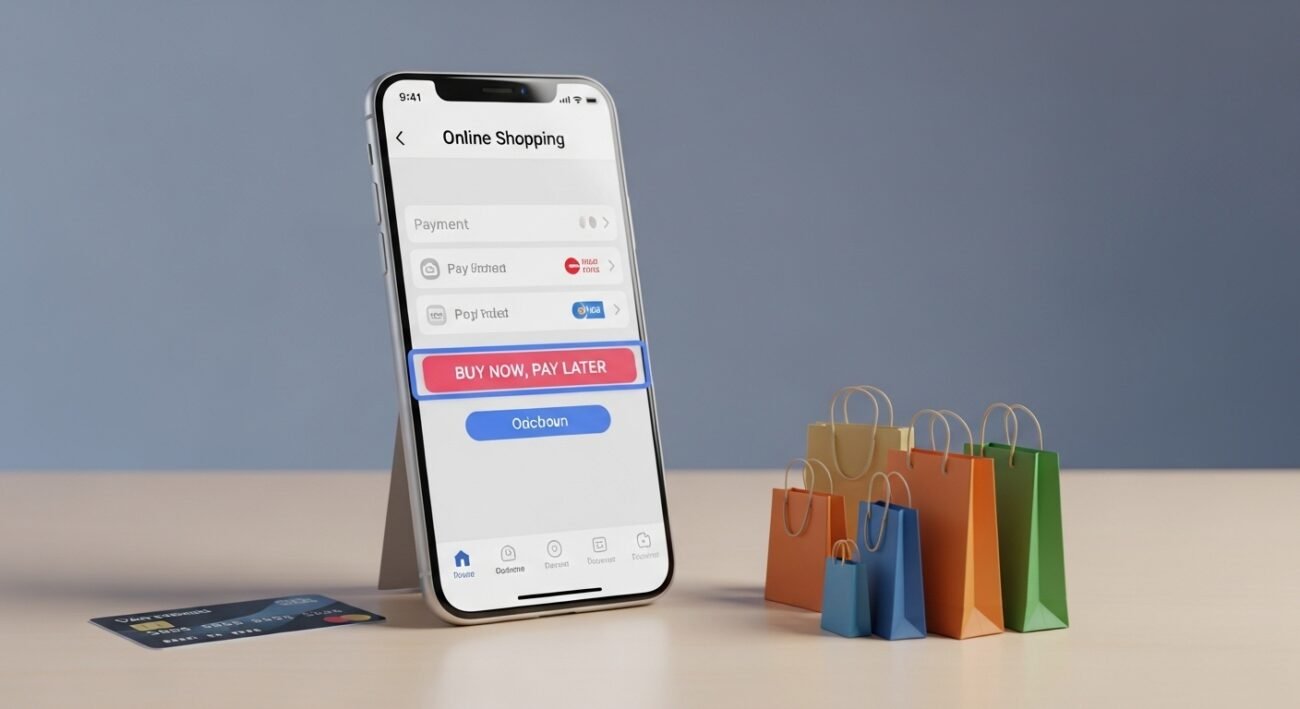
The “Buy Now, Pay Later” (BNPL) services, including Affirm, Klarna, and Afterpay, have transformed American shopping patterns by enabling customers to divide their purchases into smaller payment plans. The advertising presents them as an easier option to credit cards, yet they have hidden psychological and financial elements that create debt problems for users. Financial traps require detection because they block users from utilizing the tools that lead to financial problems.
The “Manageable” Payment Illusion

The BNPL services divide a single high-cost item into four separate lower-cost installments. The $200 jacket actually costs you $50 because your brain calculates your expenses as lower than what you have actually spent. To avoid this, always look at the total price of the item before clicking “buy.” If you wouldn’t pay the full price in cash right now, you probably shouldn’t buy it at all.
The Multi-Loan Stacking Trap

You can easily manage between five and six active BNPL agreements across different applications. The small payments lead to a big monthly payment which results from additional expenses. You should maintain one active plan while you need to pause all other plans. You must wait until you finish paying for your previous purchase before starting your new purchase.
The Missing Protection Gap
The BNPL services provide consumer protection which is weaker than traditional credit cards. You must make payments for damaged items until you obtain your refund after your item arrives or never arrives. The merchant return policy for “Pay Later” purchases needs to be reviewed before using BNPL as it determines your ability to pay for a product which does not exist.
Hidden Late Fee Snowballs
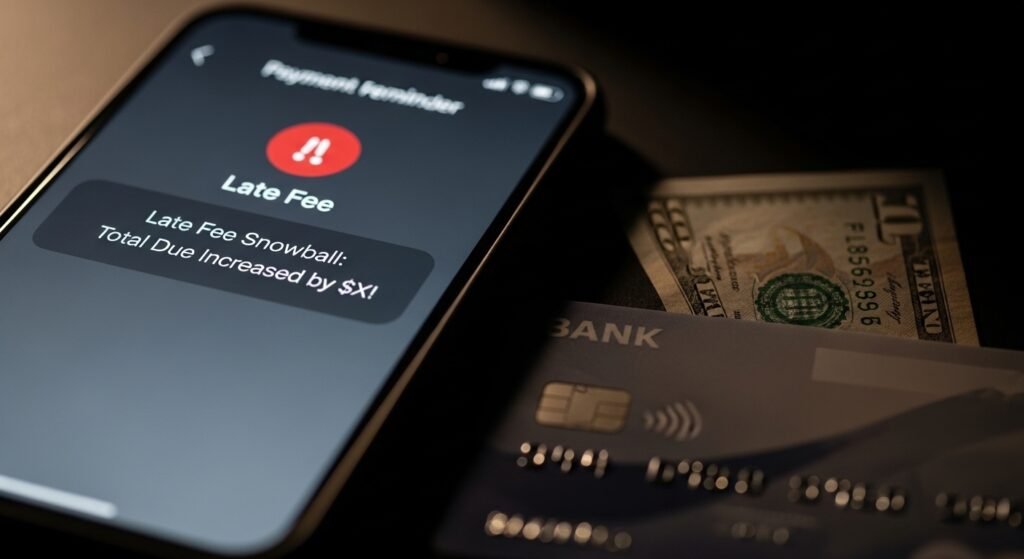
The services which claim to offer “interest-free” operations generate revenue through their late fee collections. The payment failure leads to an expensive fee which costs a large share of the initial purchase price. You should set up “Autopay” while maintaining a bank account balance of $50 to prevent payment failures which will lead to bounced charges.
The “No Credit Building” Downside
Most BNPL providers do not report your on-time payments to credit bureaus, meaning you get no “reward” for being responsible. The reporting system will show your payment history to the credit bureaus when you fail to pay. The best way to build credit is through secured credit card usage because BNPL will result in a “lose-lose” outcome.
Overdraft Fee Triggers

Your bank account receives automatic BNPL payments which happen when you have insufficient funds. You should schedule your payment dates to match your Payday schedule. Your payment date can be changed for a few days when you request the change through most applications.
The Impulse Buy Trigger

The BNPL system eliminates “purchase friction” to enable customers to access its services. The system makes it extremely simple for people to purchase products which they did not intend to buy. You should wait one entire day after selecting a BNPL item before purchasing it. After the excitement of something new passes, you will not feel any desire to possess it.
Returns and Refund Delays

The process of getting your money back for a BNPL return becomes very difficult. The payment process requires you to continue payments until your returned item reaches the store and the BNPL application completes its crediting process. You should use BNPL only for items you know you will keep such as home appliance replacements and approved gifts.
The “Invisible” Debt Problem

People tend to overlook their BNPL debt because it does not appear on their credit report. Create a dedicated line item in your budget specifically for “Installment Debt” so you always know exactly how much of your future income is already spent.
Interest on Long-Term Plans
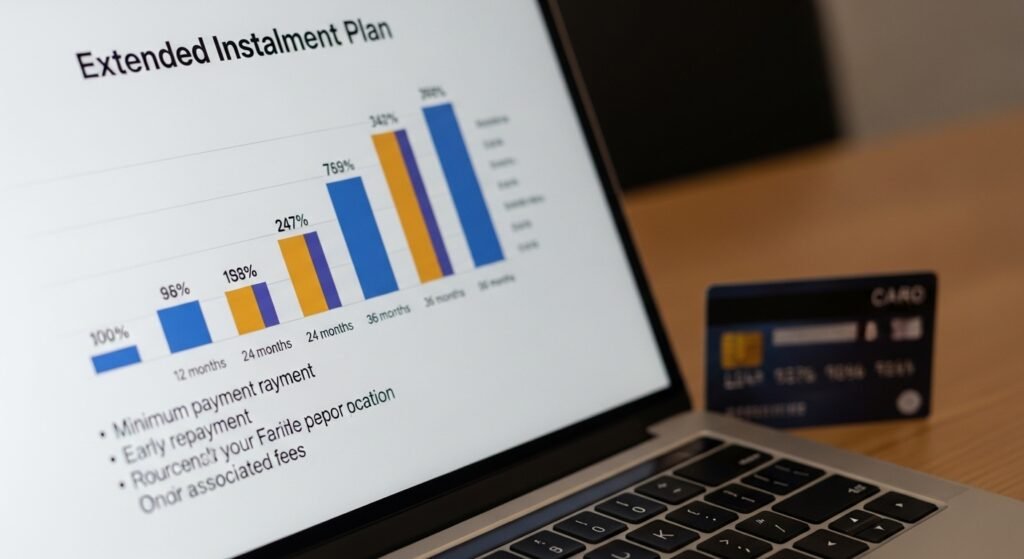
The “Pay in 4” option does not charge interest for its service yet larger purchases which extend beyond 6 to 12 month periods will incur interest fees which exceed credit card rates. You should always review the APR which stands for Annual Percentage Rate on extended payment options. The cost will be lower for you if your payment exceeds 15% so you should save money to pay in cash.
