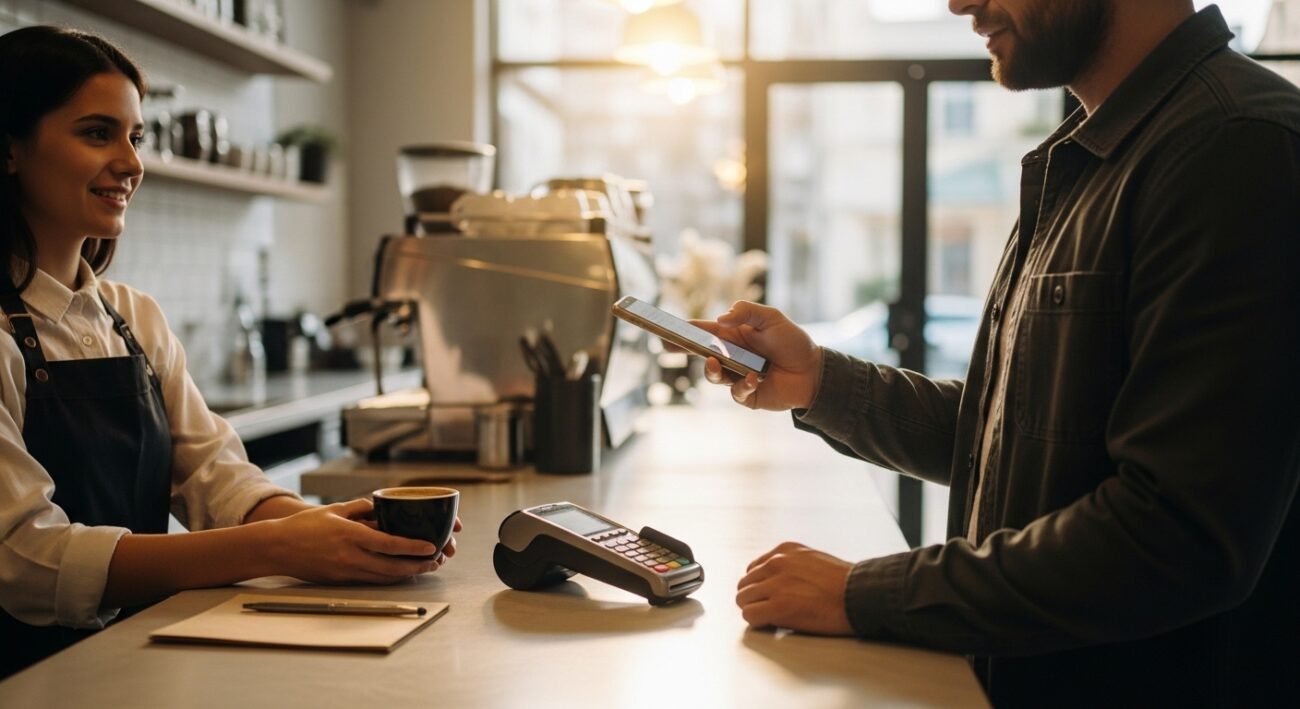
People now use their coffee and snack consumption as personal data that businesses use to monitor their activities. In 2026, banks and retailers use your small, consistent purchases to predict your financial stability and marketing value. Your future wealth potential gets measured through all your spending patterns which include both small expenses and large monthly payments.
The “High-Frequency” Consumer Profile
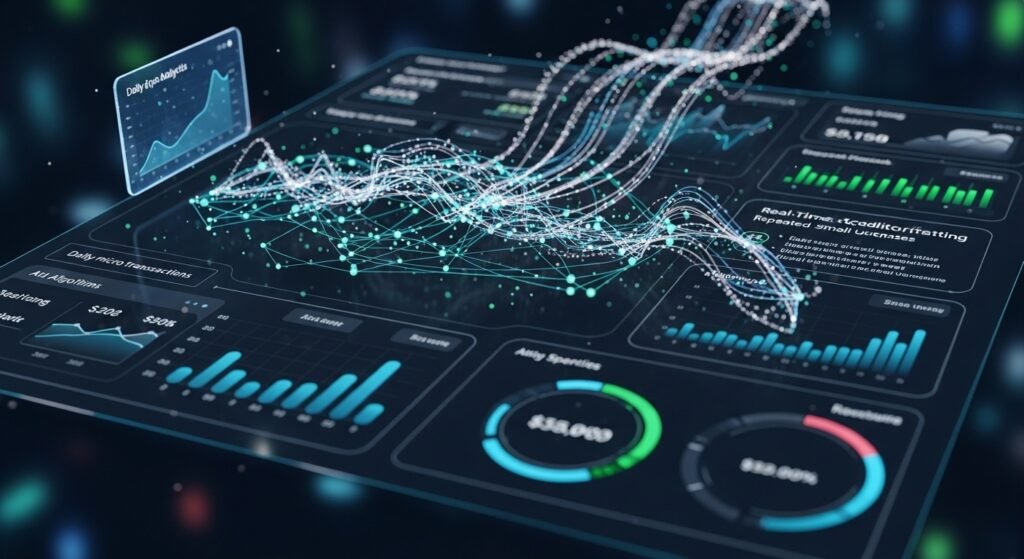
Banks assess your spending pattern by examining your expenditure frequency together with your total spending amount. Your daily $5 spending habit identifies you as a “high-frequency” user. Your spending behavior shows ongoing spending patterns which credit algorithms use to determine your creditworthiness though it will surprisingly decrease your internal “trust score” for upcoming loan requests.
Predictive Subscription Modeling
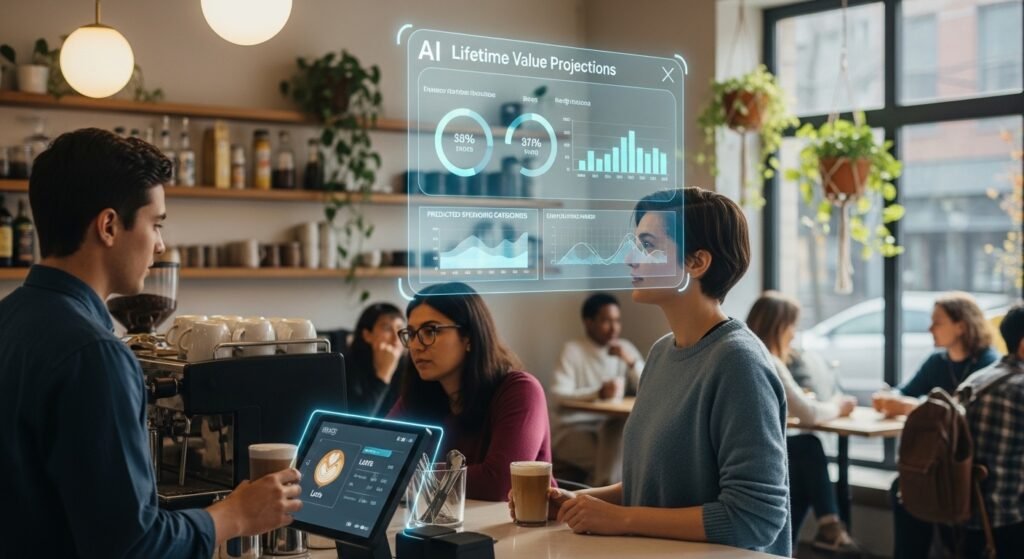
Starbucks determines your “Customer Lifetime Value” based on your daily $5 expenses. If you buy a latte every morning at 8:00 AM, their AI predicts exactly how much revenue you will generate over the next decade, allowing them to borrow money against your future habits.
The “Latte Factor” Compounded
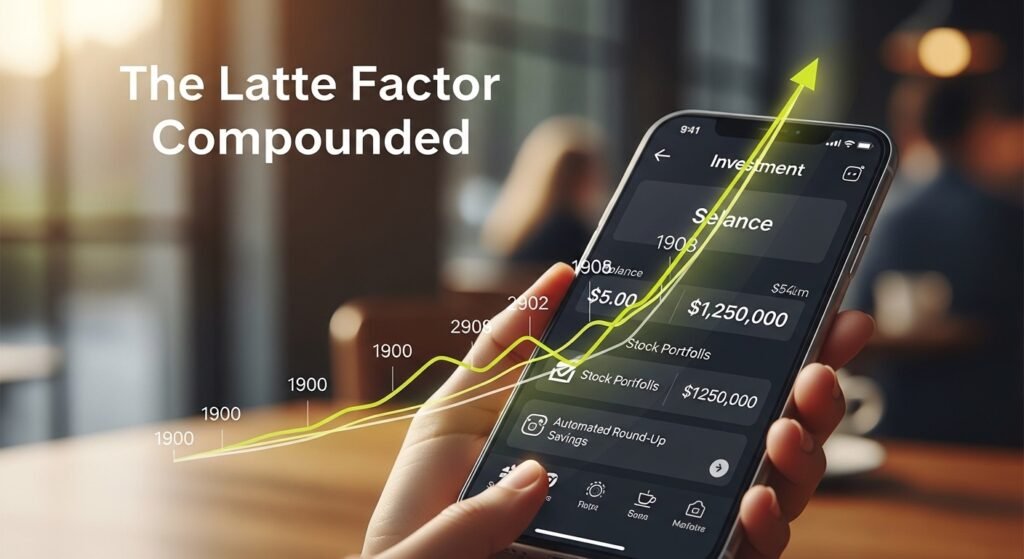
Financial experts often point to the “Latte Factor.” Your $5 daily investment at a 7% return would grow to approximately $100,000 after 25 years. Real-world apps now offer “round-ups” to prove how these tiny diversions can build actual wealth if redirected into stocks.
Targeted Surge Pricing
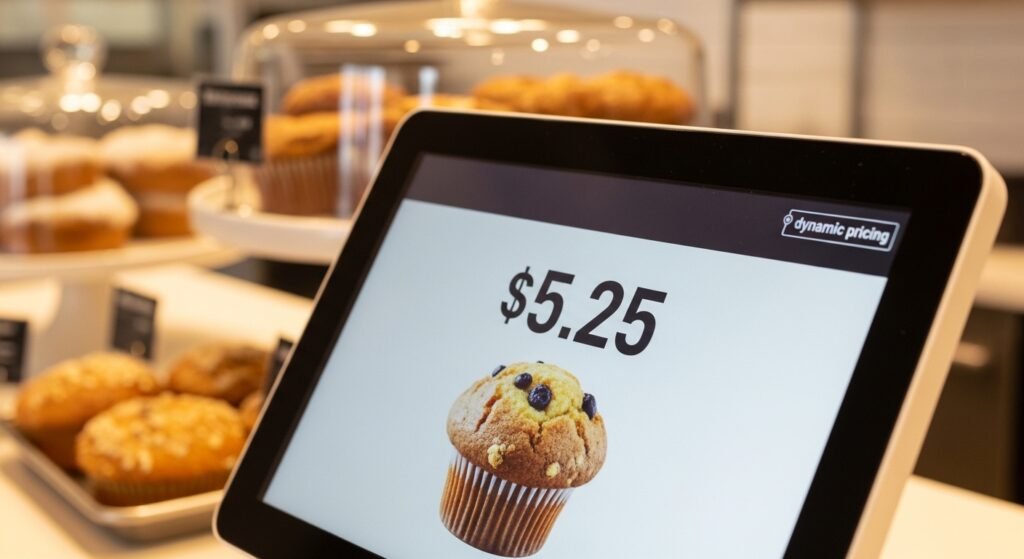
Digital menus now use “dynamic pricing.” The store might raise the price to $5.25 during your peak “craving hours” because data shows you always spend $5 on a mid-afternoon treat and they know your habit will make you buy it.
Data Harvesting for Third Parties
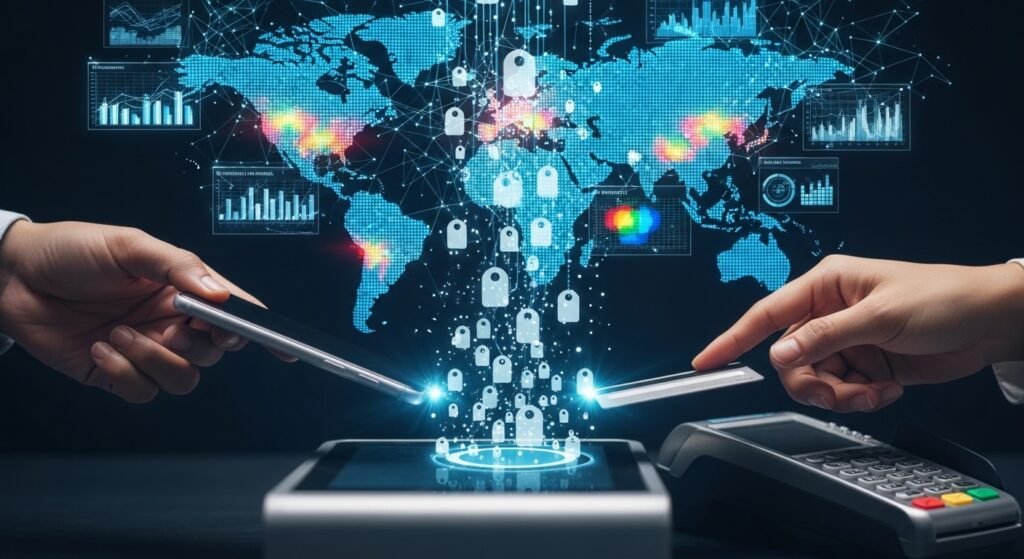
Your card use for minor purchases generates “lifestyle tags” which you create each time you tap your card. Data brokers sell the fact that you buy a specific $5 protein bar daily to health insurance companies, who use it to gauge your fitness and diet habits.
The Loss Leader Strategy
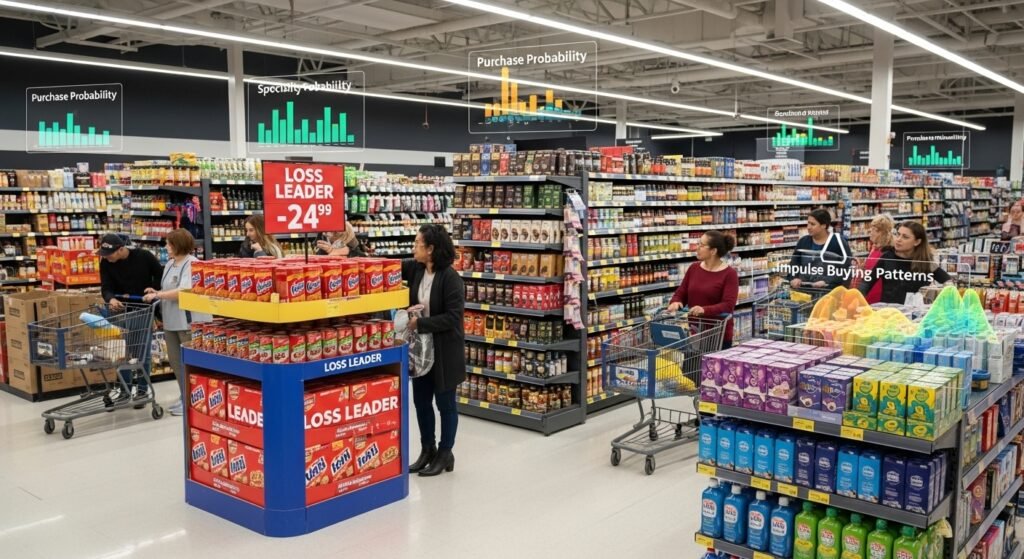
Stores use the $5 treat to attract customers because they sell it at a lower price than their profit margin permits. Customers who enter the store for their “”daily fix”” have a 40% higher chance of making an unplanned purchase of a product that generates higher profits.
Digital Wallet Lock-in
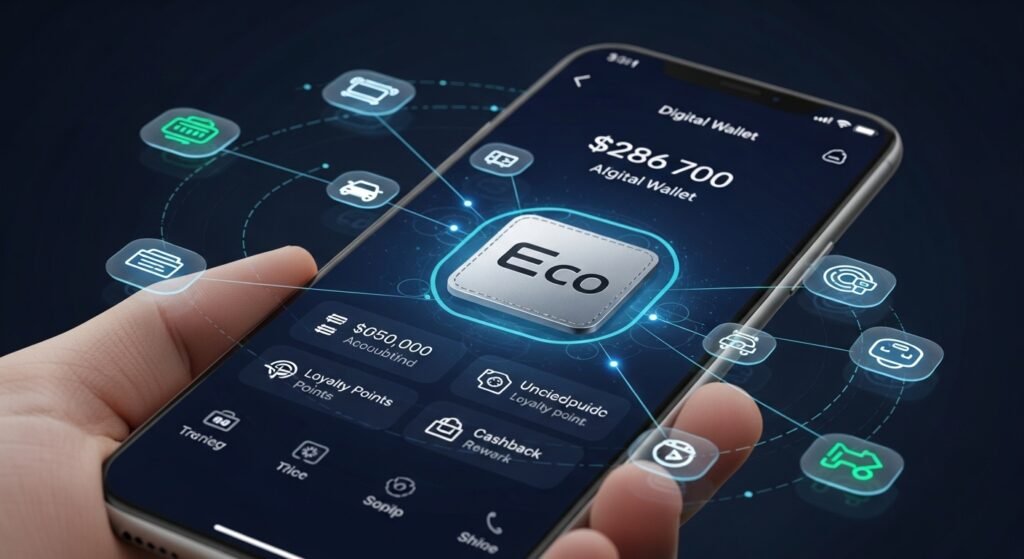
Customers who maintain their $5 spending through an app will tend to maintain their balance in the company digital wallet. The company receives interest-free loans worth millions from customers who disregard their account balances which include minor amounts.
Subscription Creep
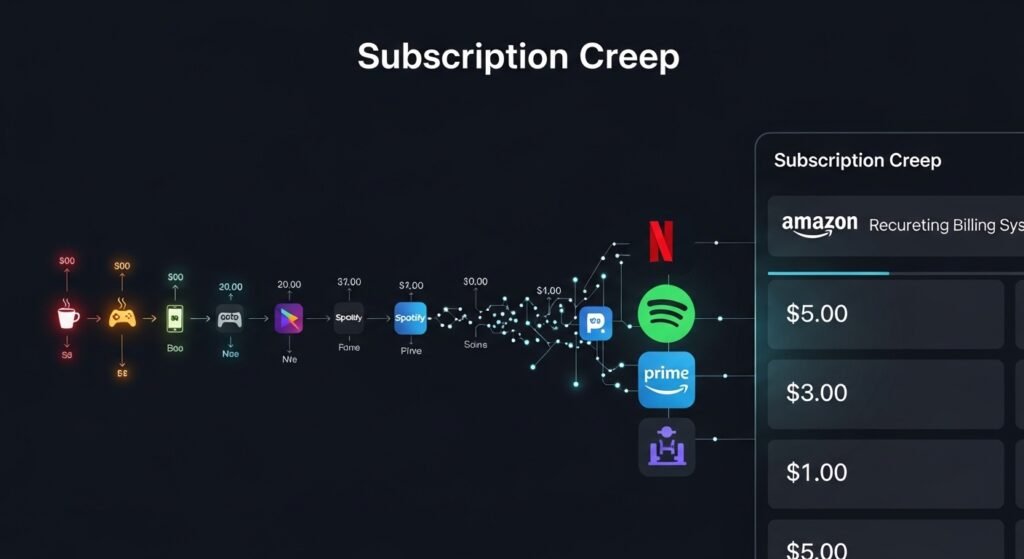
Companies now convert many $5 spending patterns into “unlimited” monthly subscription services. Companies want to convert your daily selection into a steady revenue stream through a $150 monthly subscription which protects their income from customers who will miss some treat days.
The Low-Balance Alert Trigger
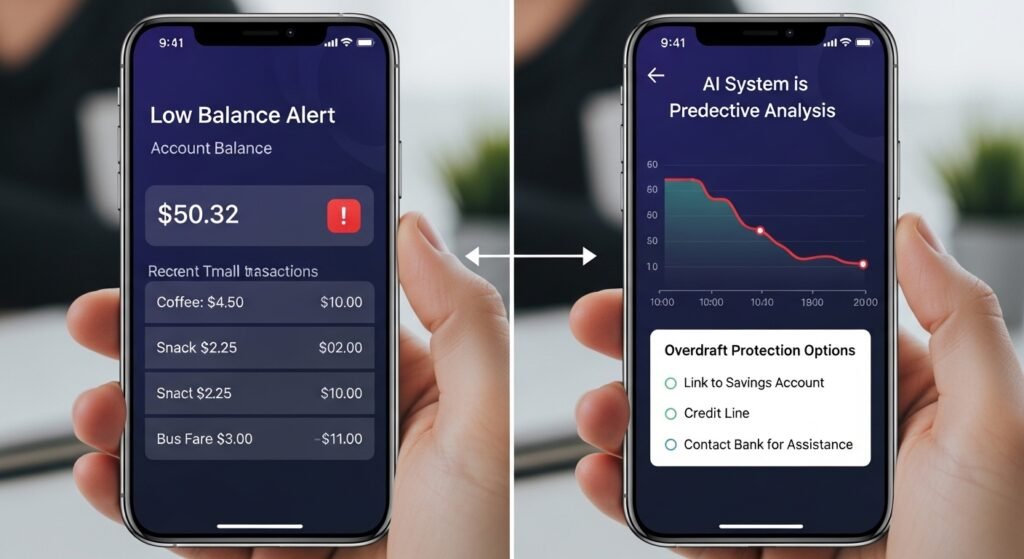
The $5 daily treat functions as a financial warning system for people who rely on their upcoming paychecks. Banks monitor these minor expenses to estimate when a customer will reach zero funds which enables them to present high-interest “overdraft protection” solutions.
Social Media “Vibe” Tracking
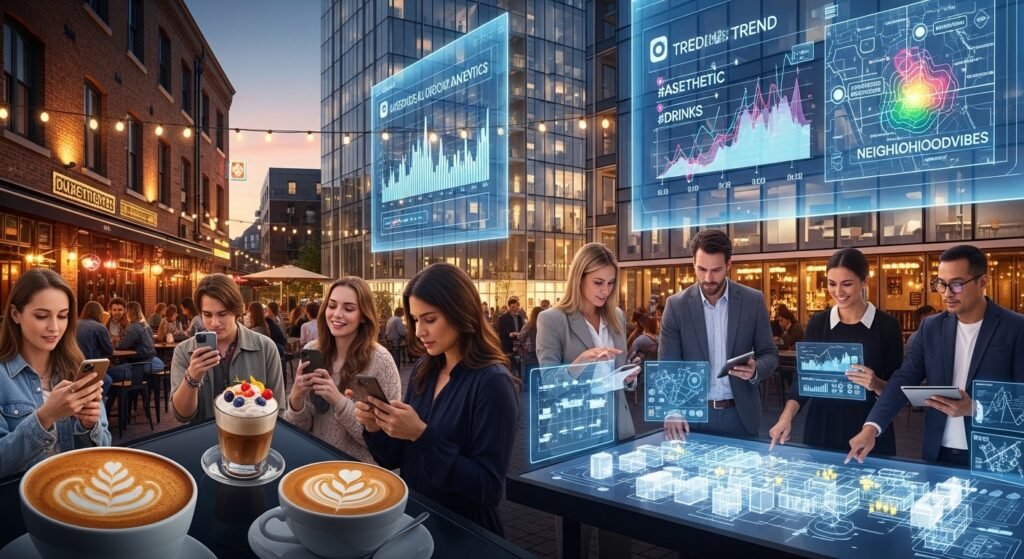
In 2026, “lifestyle” treats are social currency. Real estate developers follow brand tracking of $5 aesthetic drink photography to identify trendy areas which will guide their upcoming apartment construction efforts.
