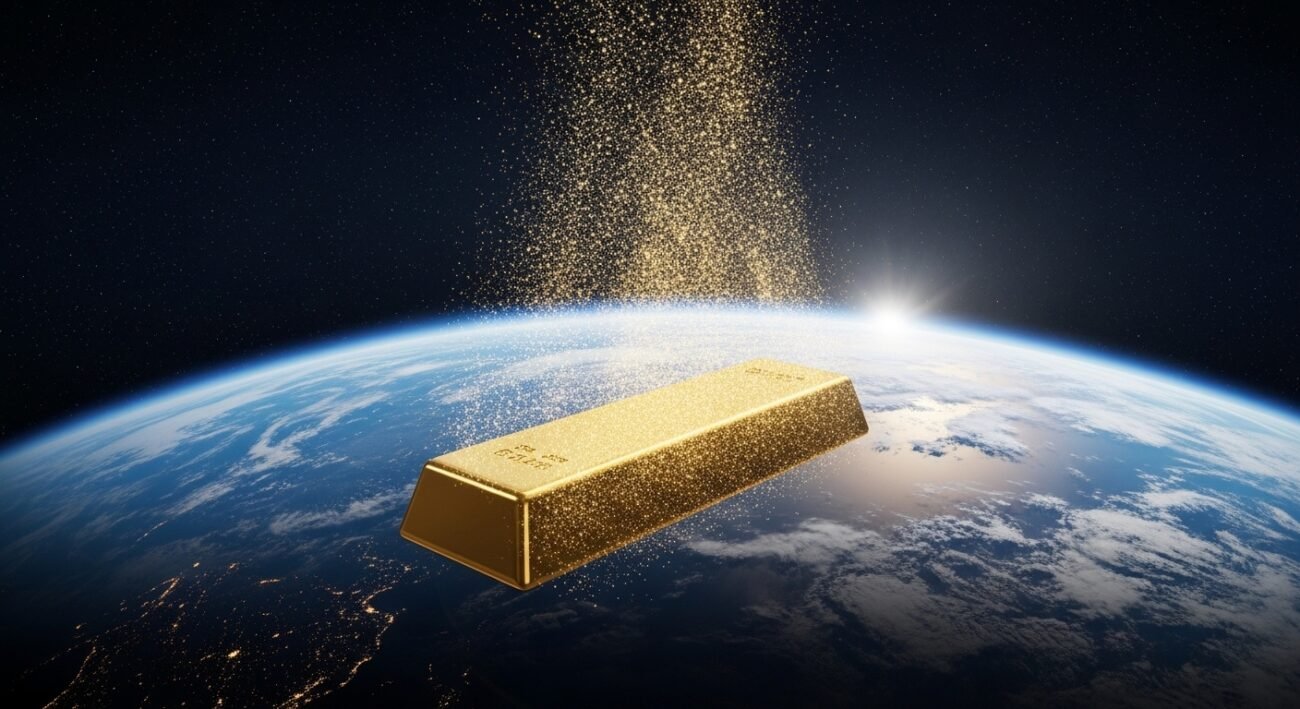
Gold exists as one of the most scarce materials on Earth because its status as a permanent wealth storage system has become increasingly difficult to obtain. The majority of global gold reserves now move into areas which humans cannot recover, or they enter storage systems which permanently eliminate their availability to the worldwide market. People need to understand the “disappearing act” because it explains the ongoing value of the metal while people believe that gold will disappear from Earth.
Locked in E-Waste
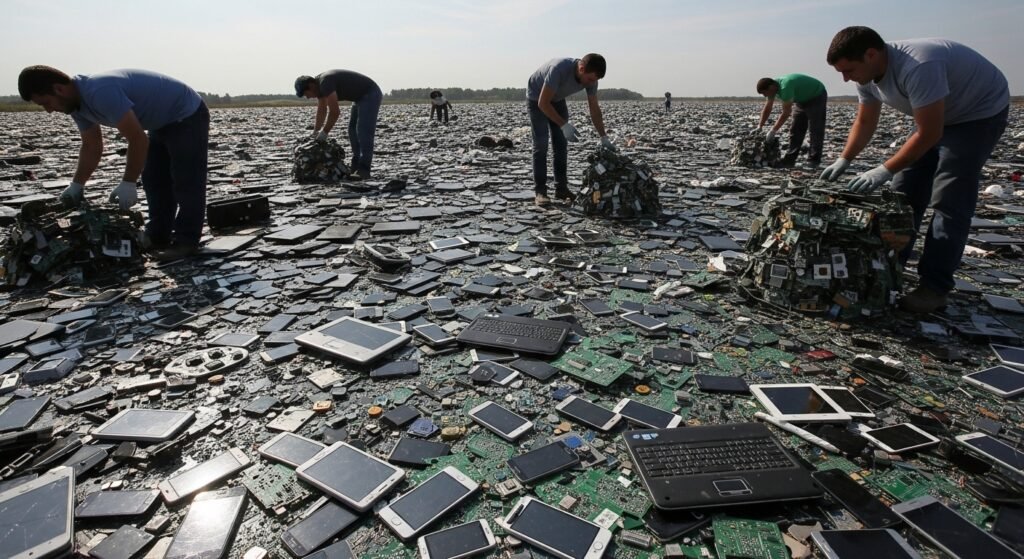
Each year, landfills receive millions of discarded smartphones and computers. All devices have circuit boards which contain a small fraction of gold. The process of recycling these tiny gold quantities proves too expensive, which results in tons of gold remaining buried within waste dumps for an indefinite period.
Deep Crust Migration
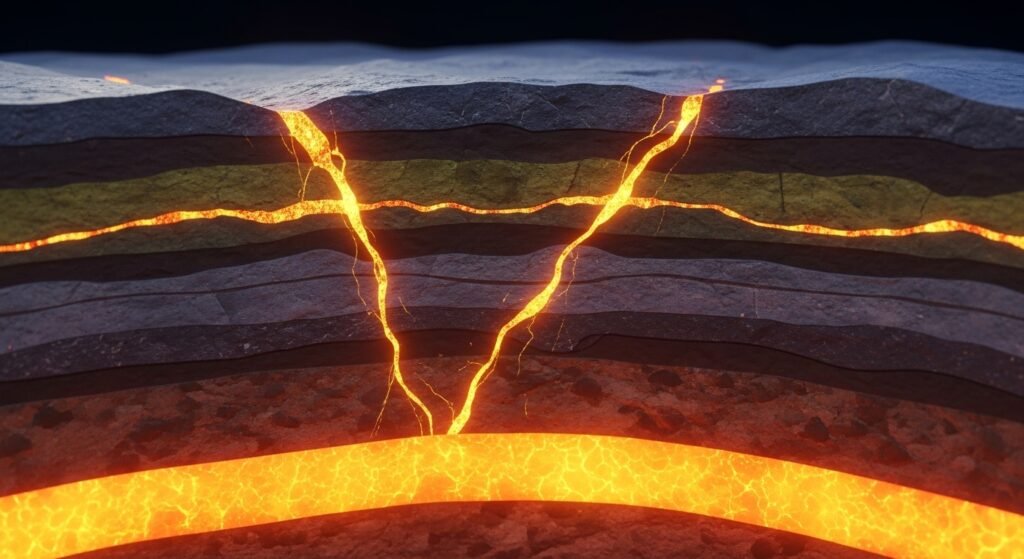
The majority of Earth’s gold migrated to the core during the planet’s creation process. The gold which we extract today resulted from various asteroid collisions throughout history. Tectonic plate movements can drive gold deposits deep into the Earth’s mantle throughout geological periods, which results in mining equipment becoming unable to access these resources.
Dissolved in the Oceans

The oceans of the world possess approximately 20 million tons of gold, but this gold exists as dissolved particles within the seawater at extremely low levels. Our existing methods do not enable us to extract this gold because they are not economically feasible, which results in the gold remaining within the ocean waters instead of entering the economic system.
Industrial Consumption
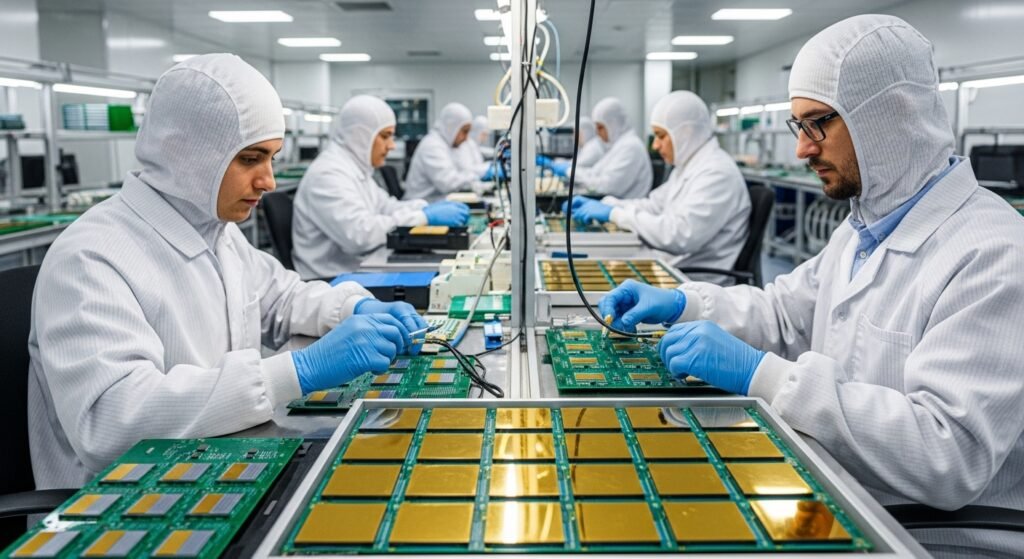
Gold finds use in industrial operations which require specialized processes to produce thin-film coatings and chemical catalysts. The gold in this process exists as such a tiny part which becomes impossible to recycle due to its high levels of contamination.
Space Industry Exports
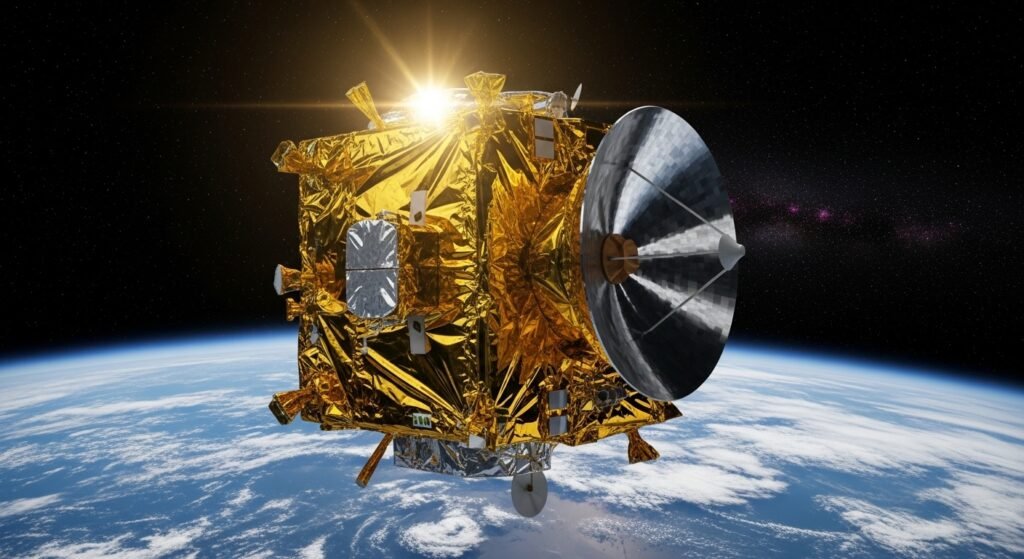
The spacecraft and satellites rely on gold to create protective barriers which shield them from both radiation and thermal damage. The launch of these satellites generates permanent gold loss from Earth because their deployment to deep space or their placement into “graveyard orbits” makes recovery impossible.
Micro-Particle Loss

Gold jewelry and coins lose tiny pieces of gold whenever they come into contact with skin or fabric. The “wear and tear” process results in a constant loss of gold from the world, which transforms into domestic waste that eventually gets disposed of through washing.
Unreachable Arctic Deposits
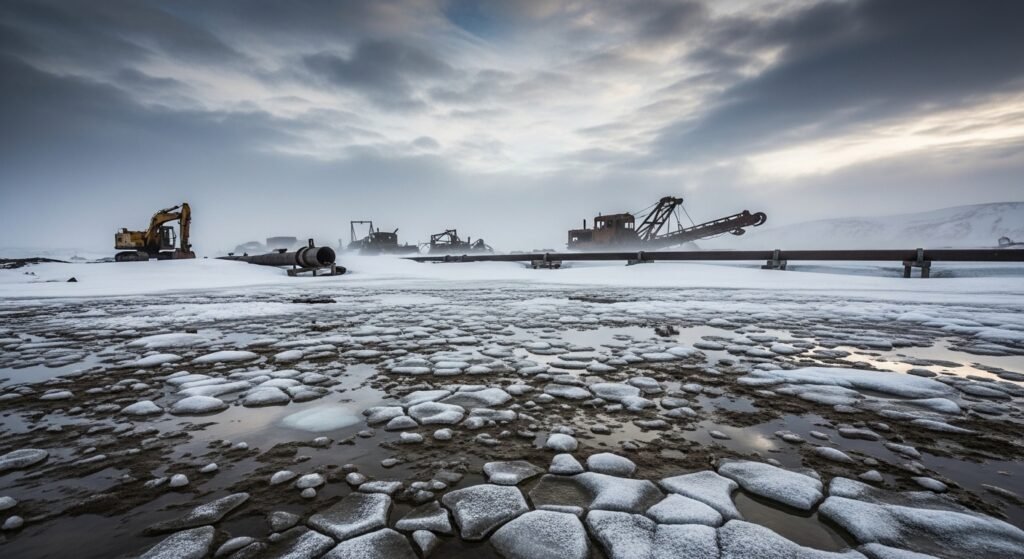
The rising climatic temperatures create a situation in which ascending seawaters and moving permafrost now obscure certain gold deposits. The modern techniques required for gold extraction have become unfeasible because of rising extraction costs and safety issues in the field.
Medical Implants

Gold serves as a biocompatible material, which finds applications in multiple medical implant devices and dental materials. The world loses gold through burial and cremation practices, which result in gradual metal loss from the global circulation.
Hoarding in Private Vaults
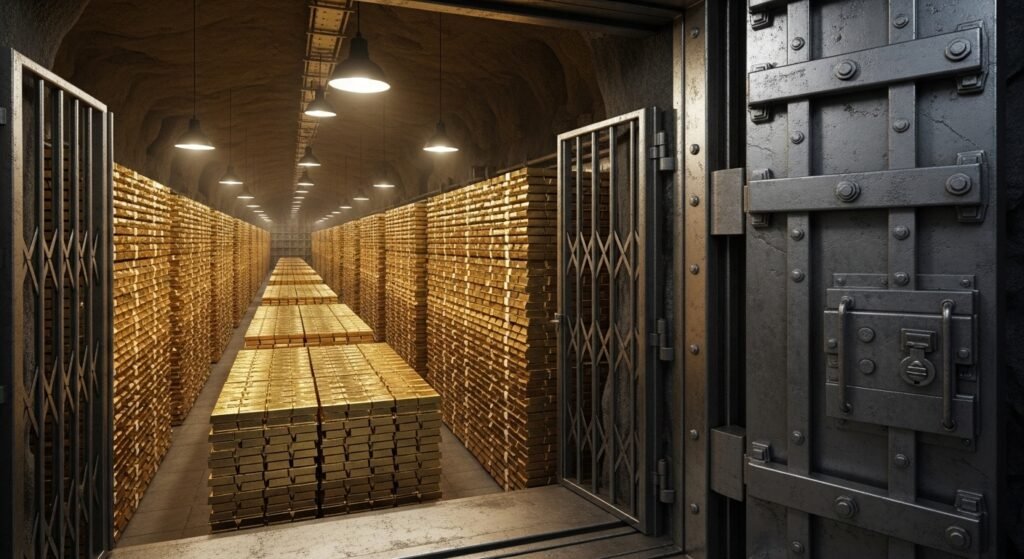
A large share of gold remains inside the planet because it exists in physical form. Central banks and private investors keep gold in underground vaults for a long period, which they treat as inactive resources that will not return to circulation.
The High Cost of Recovery
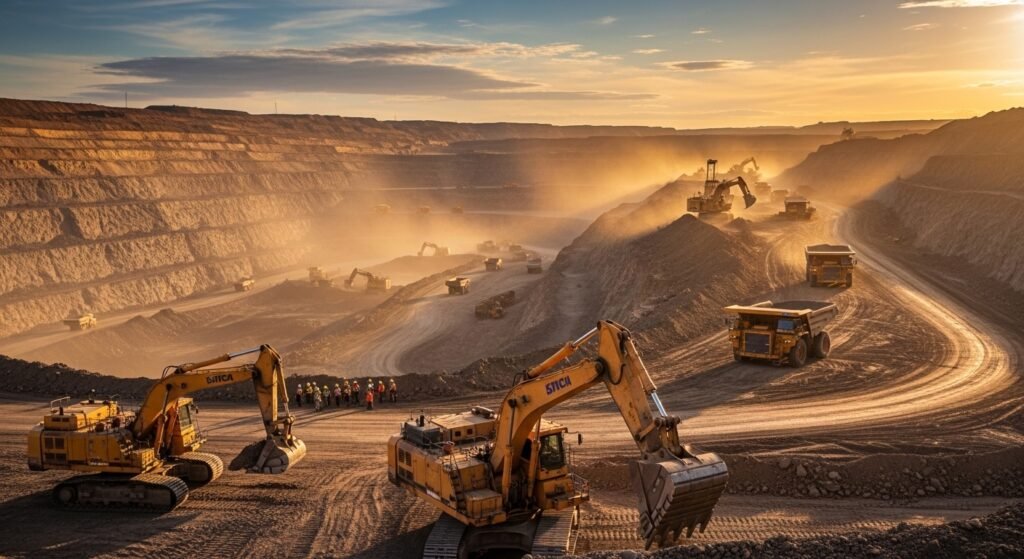
The remaining gold now requires excessive energy because all easily accessible gold has been extracted. The mining process becomes unfeasible when the expenses of fuel and labor exceed the value of extracted gold.
