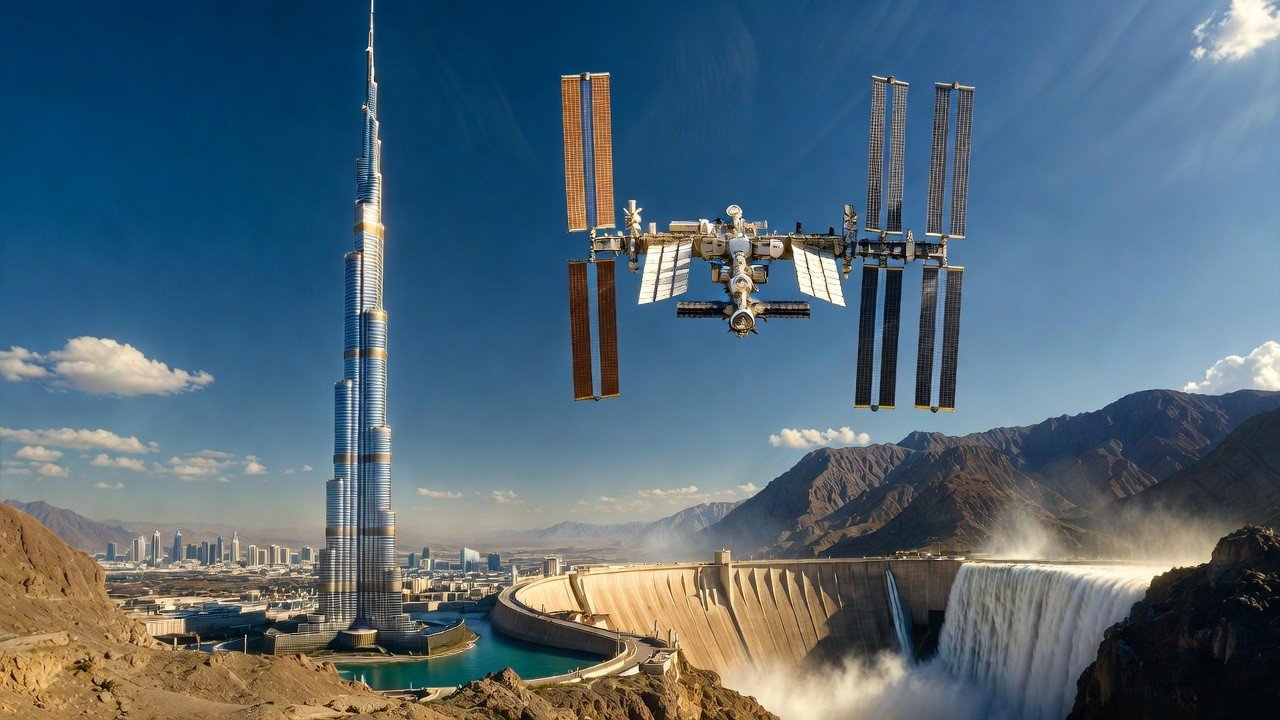
From towering skyscrapers piercing the clouds to orbital laboratories circling Earth, humanity has built some truly jaw-dropping (and wallet-shattering) creations. These aren’t just expensive; they represent engineering marvels, national pride, and cutting-edge ambition. Here’s a look at some of the most costly “alive” things on (or off) the planet, ranked roughly by escalating cost.
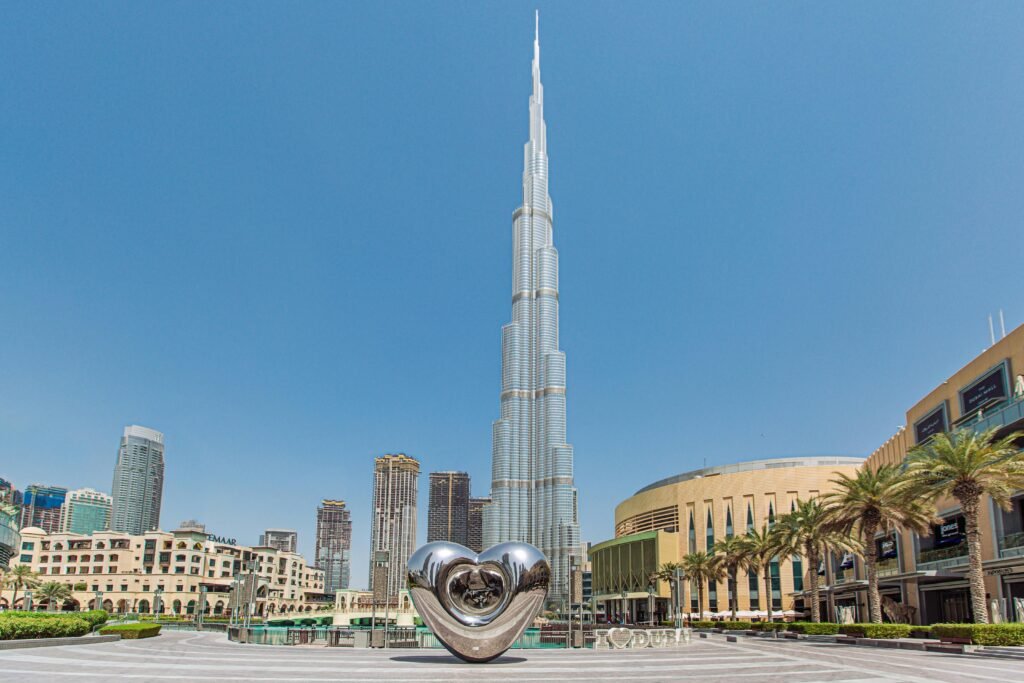
Burj Khalifa – The Sky-High Icon
Owner: Emaar Properties (Dubai developer)
Cost: Approximately $1.5 billion
Rising 828 meters as the tallest building on Earth, the Burj Khalifa in Dubai is owned and operated by Emaar Properties, blending luxury residences, offices, a hotel, and stunning observation decks in its sleek Y-shaped design that symbolizes modern architectural ambition and offers breathtaking views across the city.
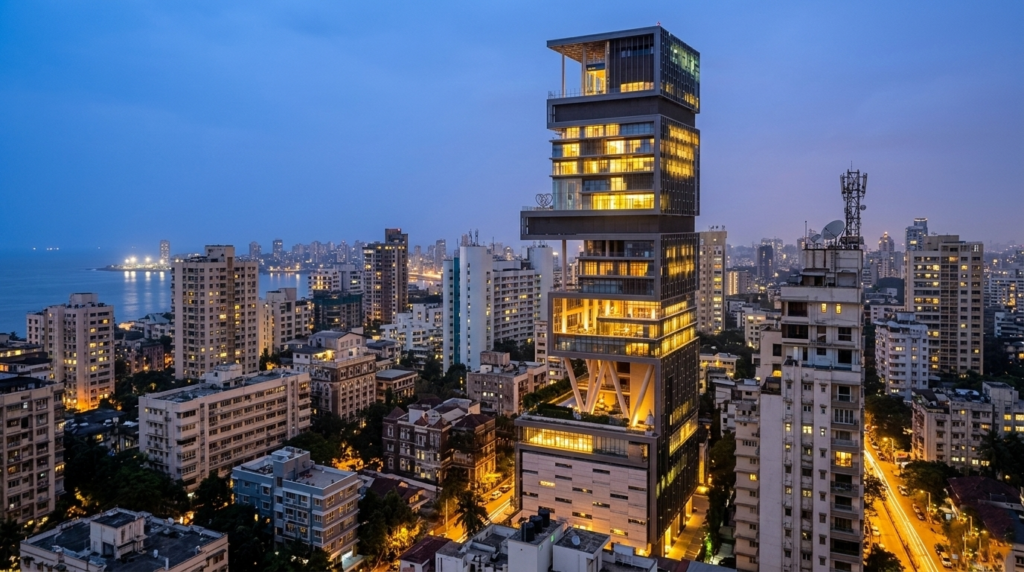
Antilia – The World’s Most Lavish Private Residence
Owner: Mukesh Ambani (Indian billionaire, Reliance Industries)
Estimated Value/Cost: Around $2 billion (construction)
Antilia, a 27-story ultra-luxury skyscraper in Mumbai owned by Mukesh Ambani, ranks as the world’s most expensive private home with features like helipads, a private theater, snow rooms, swimming pools, and garage space for 168 cars, embodying extreme opulence amid one of the planet’s densest urban landscapes.
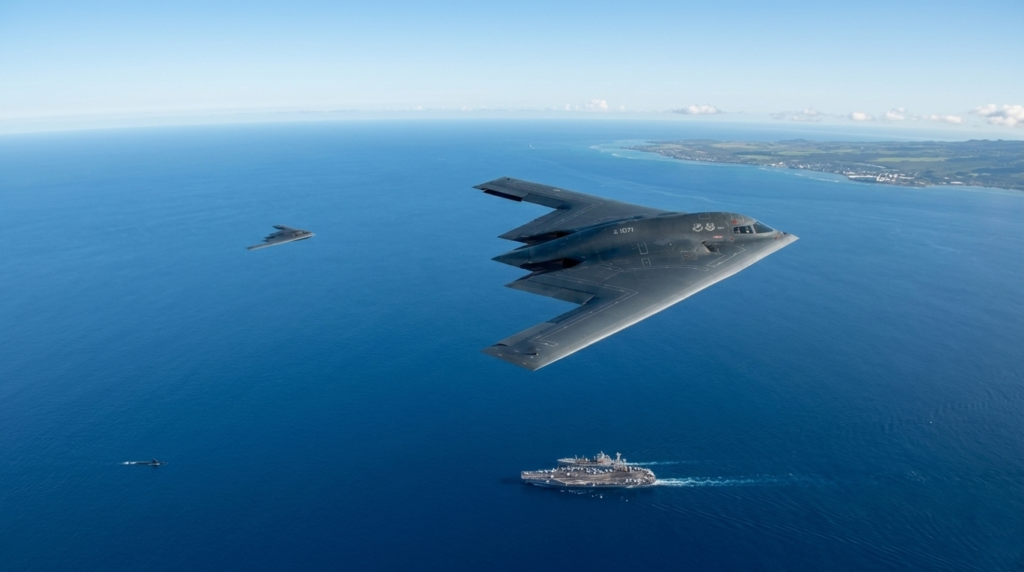
B-2 Spirit Stealth Bomber – The Invisible Billion-Dollar Bird
Owner: United States Air Force
Cost per Unit: About $2.1 billion (including development)
Each B-2 Spirit stealth bomber, the most expensive aircraft ever built and owned by the U.S. Air Force, features a distinctive flying-wing shape with radar-evading materials and the ability to carry massive payloads over intercontinental distances undetected, with only 21 units ever produced for unparalleled strategic power.
Large Hadron Collider (LHC) – The Universe’s Microscope
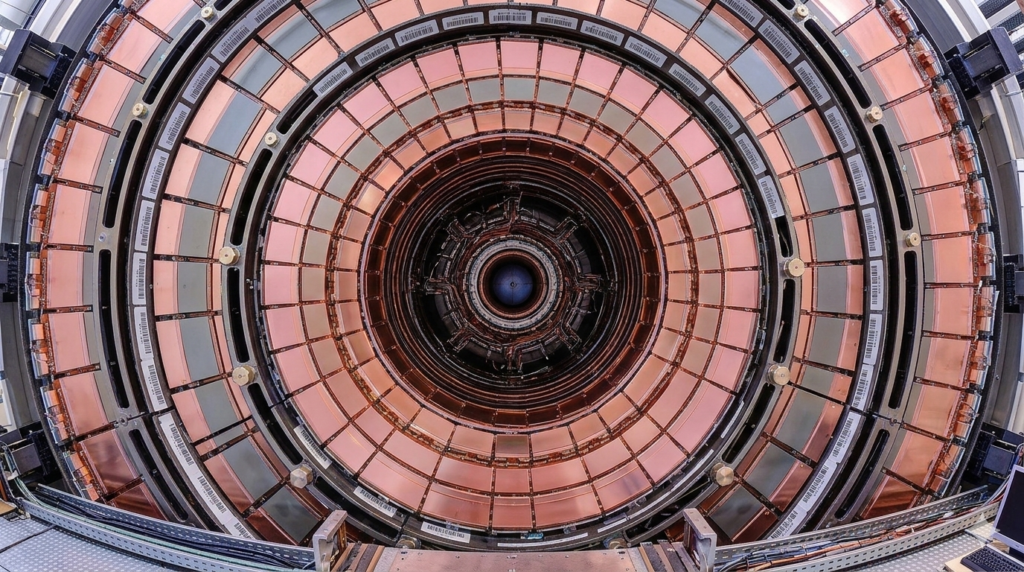
Owner: CERN (European Organization for Nuclear Research)
Cost: Around $9 billion
The Large Hadron Collider, owned by the international CERN collaboration and buried in a 27-km ring beneath the Swiss-French border, smashes particles at near-light speeds to probe the universe’s fundamental secrets—including the Higgs boson discovery, representing the pinnacle of global scientific engineering and cooperation.
(Image suggestion: Aerial view of CERN site or the LHC tunnel with superconducting magnets)
USS Gerald R. Ford – The Ultimate Naval Beast
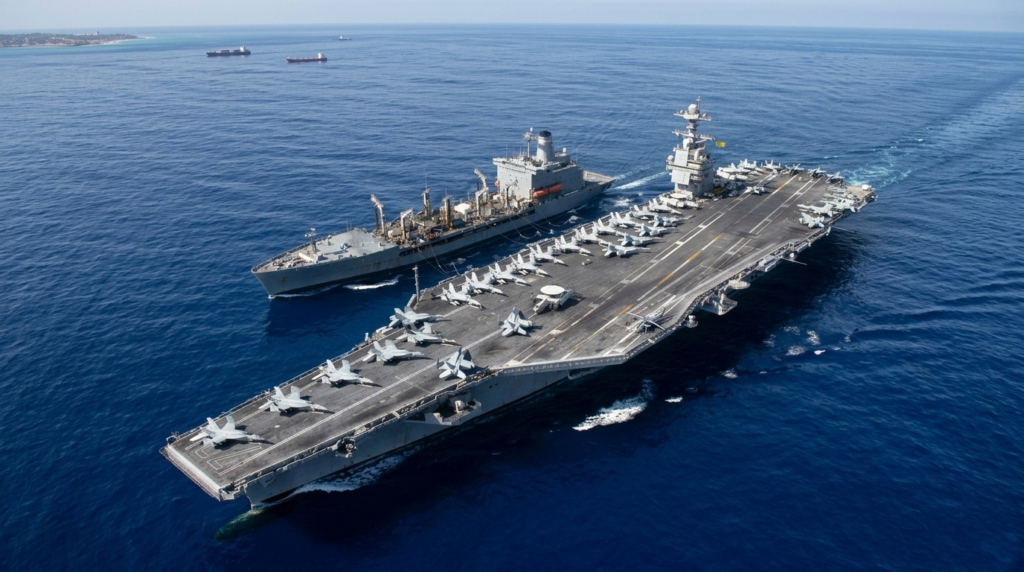
Owner: United States Navy
Cost: Approximately $13 billion (plus R&D)
The USS Gerald R. Ford (CVN-78), the lead nuclear-powered supercarrier of its class owned by the U.S. Navy and the most expensive warship ever built, boasts advanced electromagnetic catapults, stealth design, and capacity for over 75 aircraft, serving as the forefront of modern naval dominance and power projection.
Abraj Al Bait Towers (Mecca Royal Clock Tower) – The Towering Timepiece
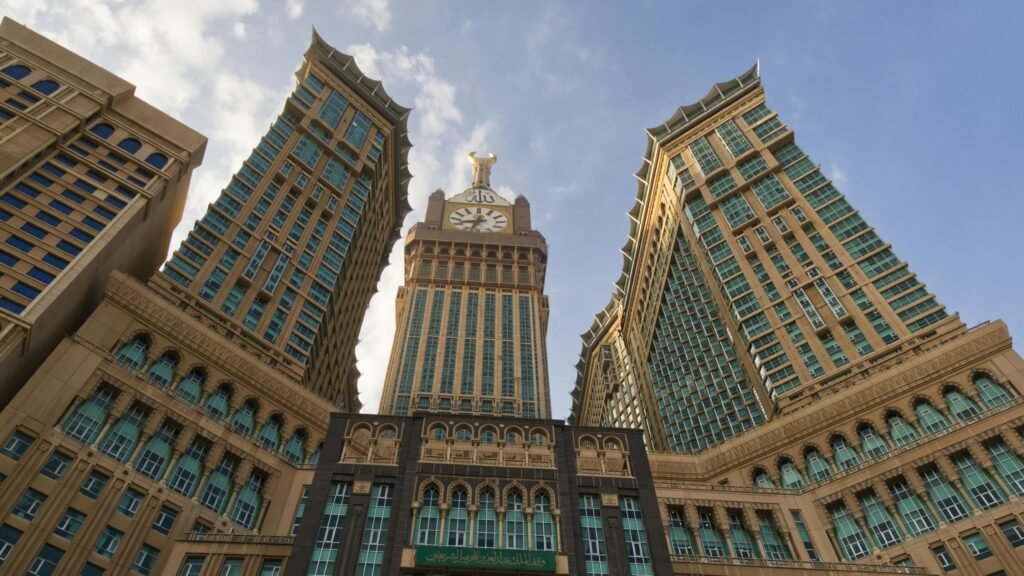
Owner: Saudi Government
Cost: About $15 billion
The Abraj Al Bait complex in Mecca, owned by the Saudi government and featuring the world’s tallest clock tower at 601 meters, provides hotels, shopping, and prayer facilities overlooking the Grand Mosque while its massive illuminated clock face guides pilgrims as part of Saudi Arabia’s modernization of sacred infrastructure.
Three Gorges Dam – The Hydro Colossus
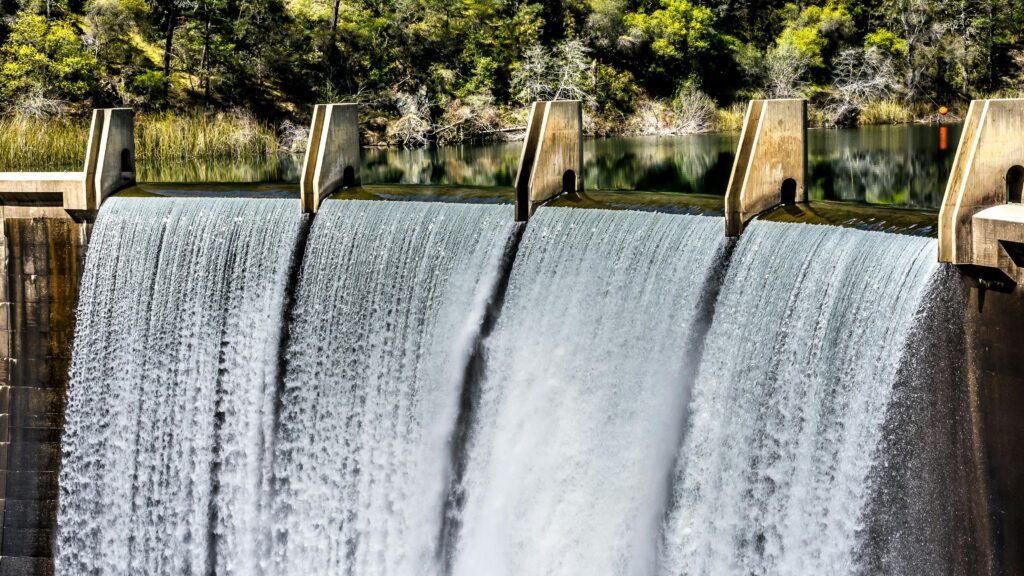
Owner: Chinese Government
Cost: Over $31–37 billion (including resettlement)
Spanning the Yangtze River and owned by the Chinese government, the Three Gorges Dam stands as the world’s largest hydroelectric power station by capacity, delivering vast clean energy, flood control, and improved navigation despite the relocation of over a million people in one of history’s grandest engineering endeavors.
International Space Station (ISS) – Humanity’s Orbital Outpost
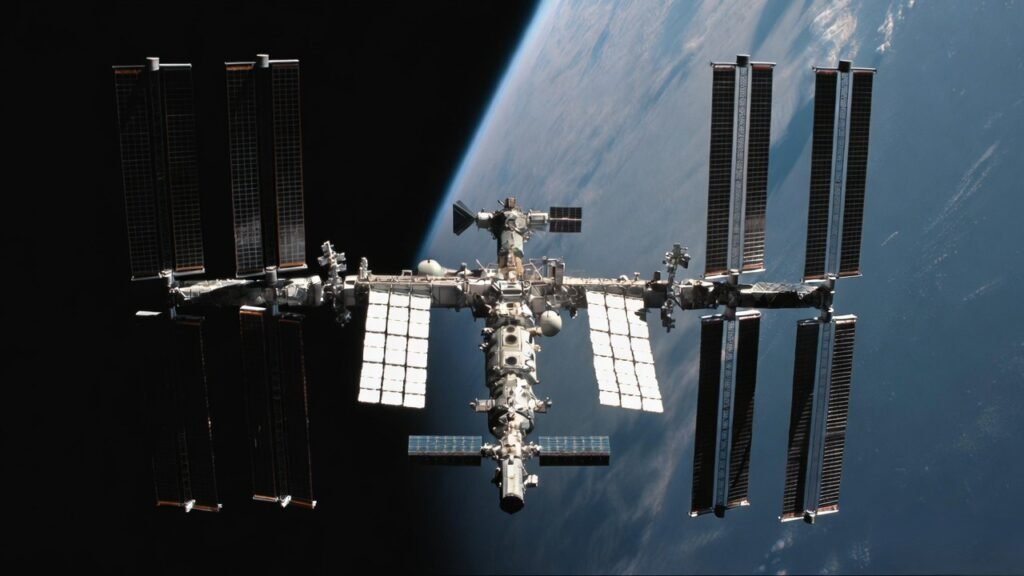
Owner: Jointly NASA (USA), Roscosmos (Russia), ESA (Europe), JAXA (Japan), and CSA (Canada)
Cost: Over $150 billion
The International Space Station, humanity’s most expensive single object ever constructed and jointly owned by NASA and its international partners, orbits Earth at 28,000 km/h as a continuously inhabited microgravity laboratory since 1998, enabling groundbreaking research in science, biology, and physics while symbolizing unprecedented global cooperation in space exploration.
