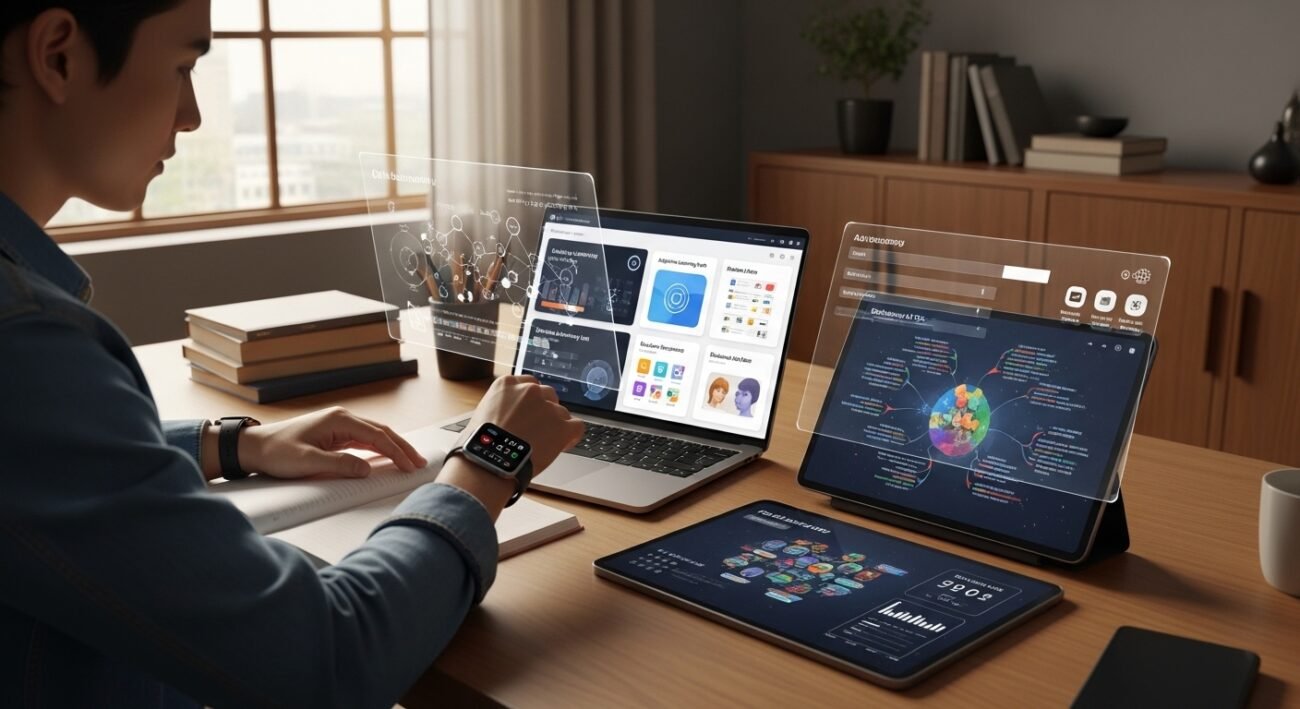
The educational landscape of 2026 has undergone a seismic shift, driven by an explosion of personalized technology and neuro-scientific breakthroughs. The current educational environment provides students with exceptional learning resources, yet these technological improvements have created major conflicts among scholars. The fundamental conflict arises because students value quick learning through cognitive offloading, while educators believe that students must engage in deep critical thinking to achieve real knowledge. The modern academic setting requires individuals to control their access to powerful contemporary tools while maintaining the established study methods used in traditional research.
Bio-Dynamic Scheduling
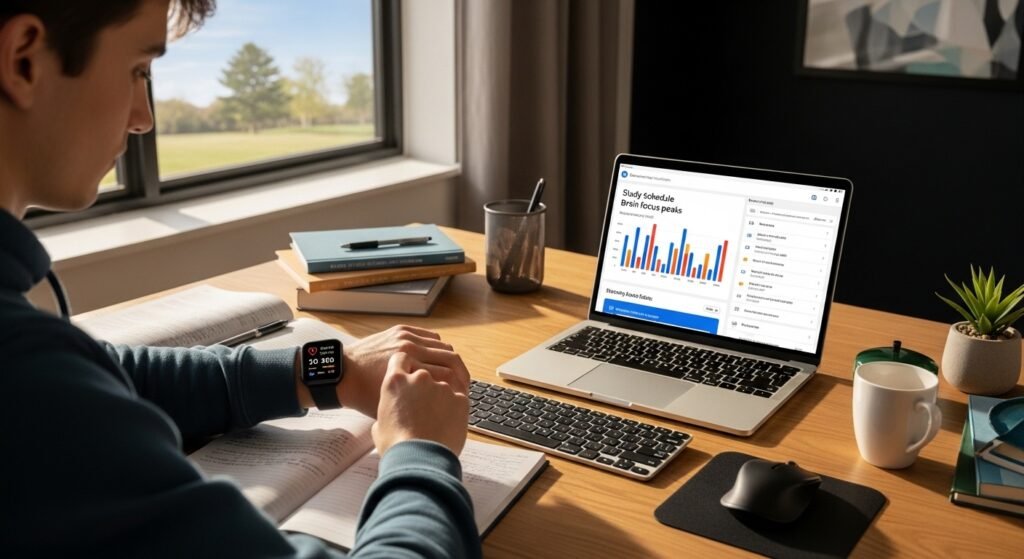
Students use their wearable biometric data to choose their toughest subjects according to their peak cognitive window schedule. The brain works best when you study calculus during your natural focus peak while saving creative writing for your circadian dip.
Audio-Visual Note Synthesis
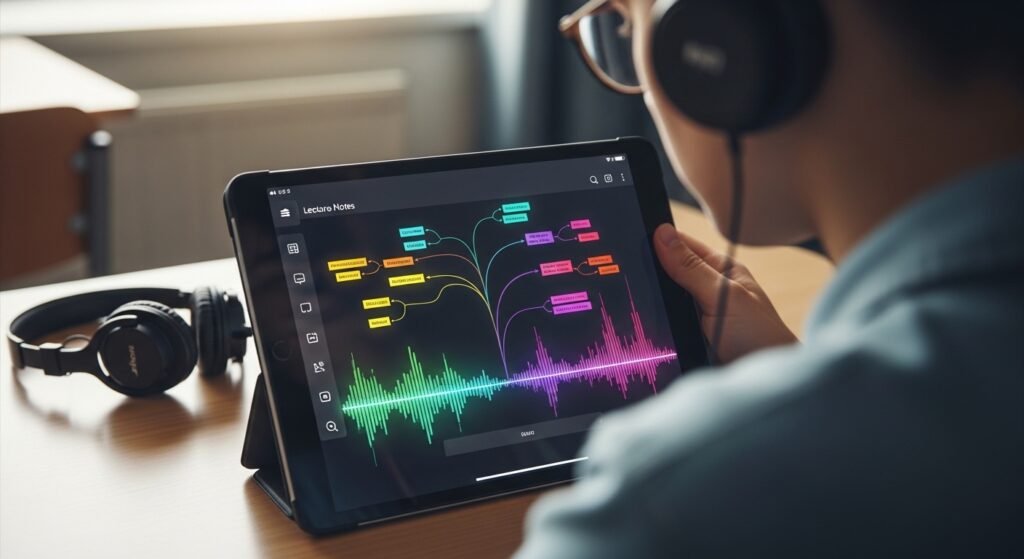
The lecture recording apps make it possible for students to create interactive mind maps as instant results from their lecture recordings. The visual structures become more effective for long-term retention because their users listen to audio summaries while they study visual content.
Gamified Progress Vaults
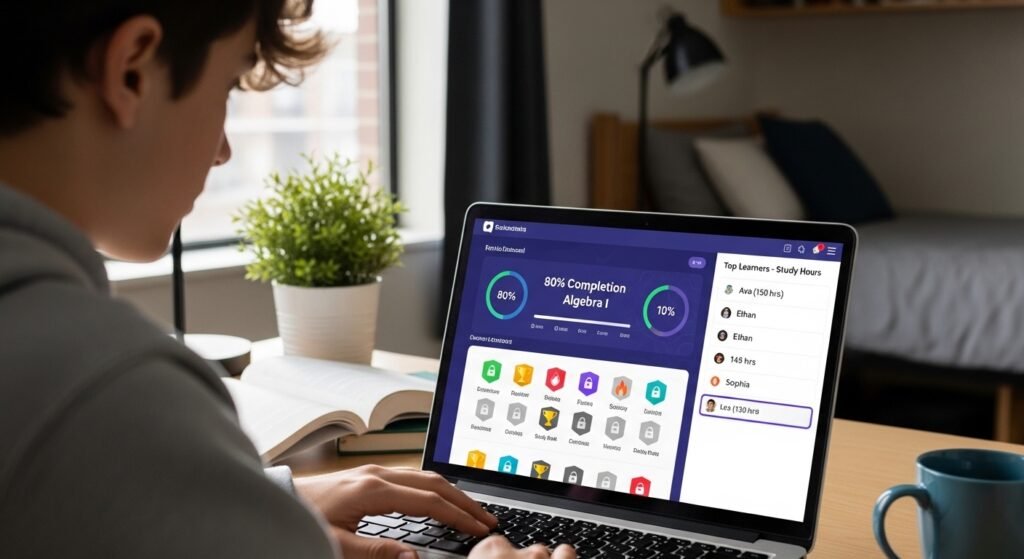
The students of today use digital platforms to transform their syllabus into a “level-up” experience. The system maintains dopamine levels throughout lengthy test periods, as students need to complete assignments and earn digital badges for participation in anonymous leaderboards based on their “hours focused” total.
Interleaved Cross-Training
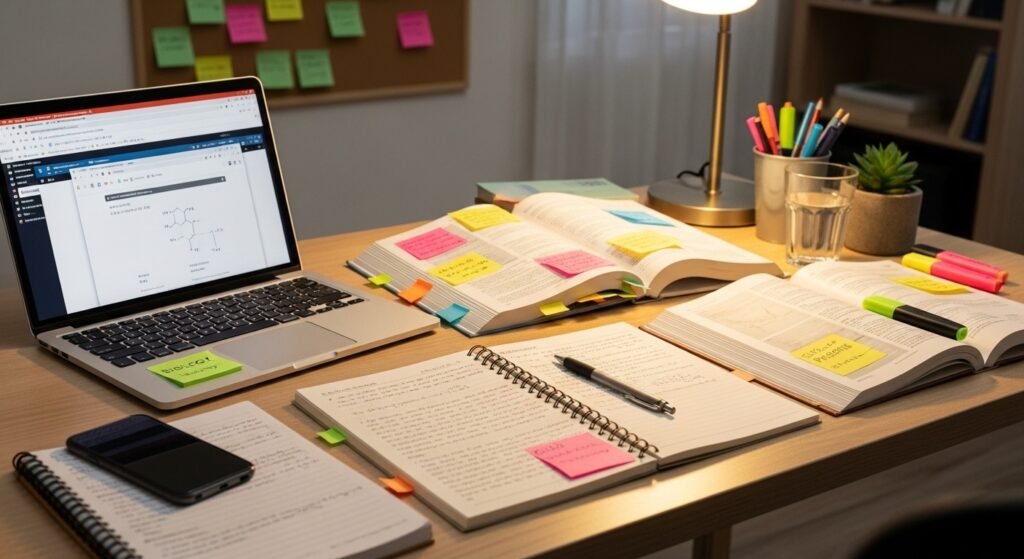
Students “interleave” three related topics instead of “blocking” which involves studying one subject for hours. The testing method requires students to solve problems from biology and chemistry and physics during one session, which forces them to continuously distinguish between different concepts.
The Dopamine Reset (Digital Fasting)

Successful students combat “screen fatigue” by taking 20-minute “analog breaks.” The brain requires physical task breaks from notification interruptions to recharge its prefrontal cortex and stop mid-afternoon exhaustion.
Collaborative AI Peer Review
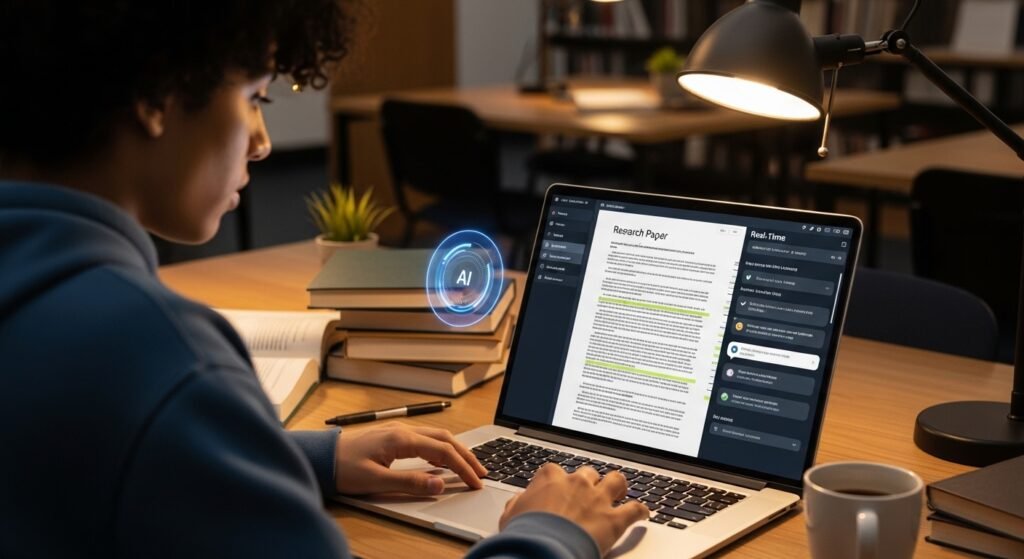
Students use AI technology to create simulations that function as “peer review” panels. The system enables users to present a paper that an experimental professor will evaluate.
Mnemonic AI Storytelling
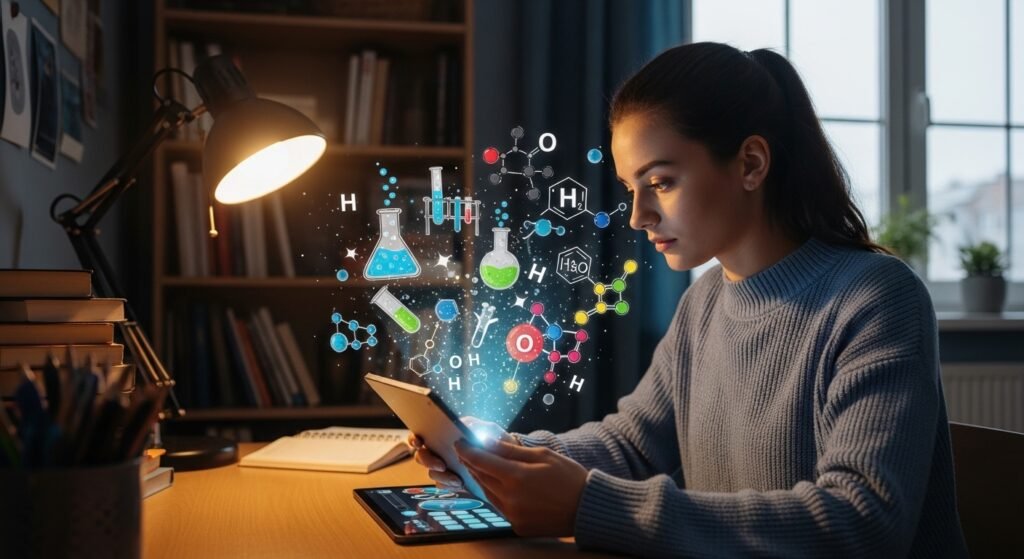
Students use AI to create strange but memorable short stories based on their normal factual information. The human brain finds it easier to remember unusual stories, which transforms a chemical elements list into an epic tale.
Data-Driven Sleep Alignment
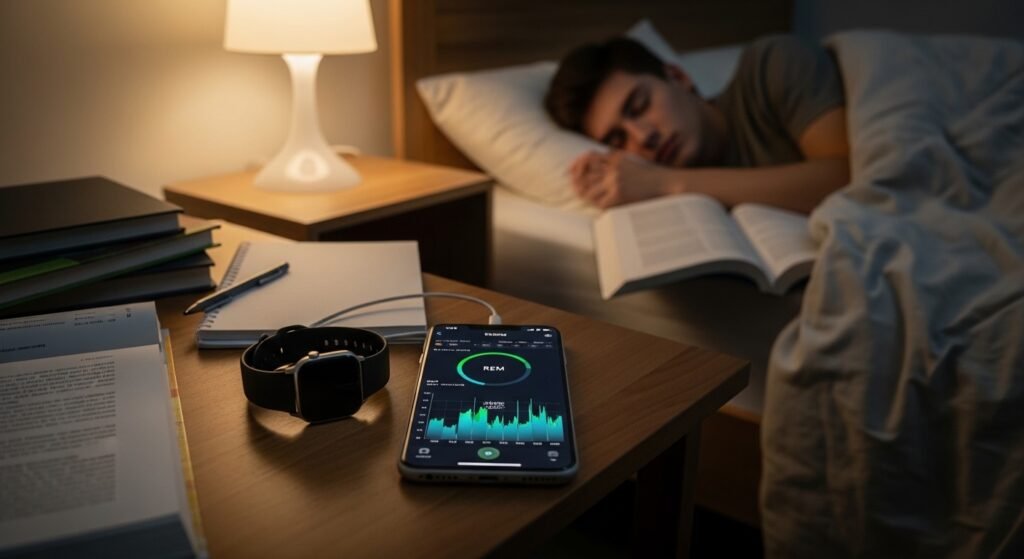
Students from 2026 depend on sleep-tracking data to determine when they should sleep in order to reach their “REM peak” after studying comprehensively. The brain “saves” information during deep sleep so missing this time frame will result in losing all the knowledge that was learned throughout the previous day.
Smart Environment Anchoring
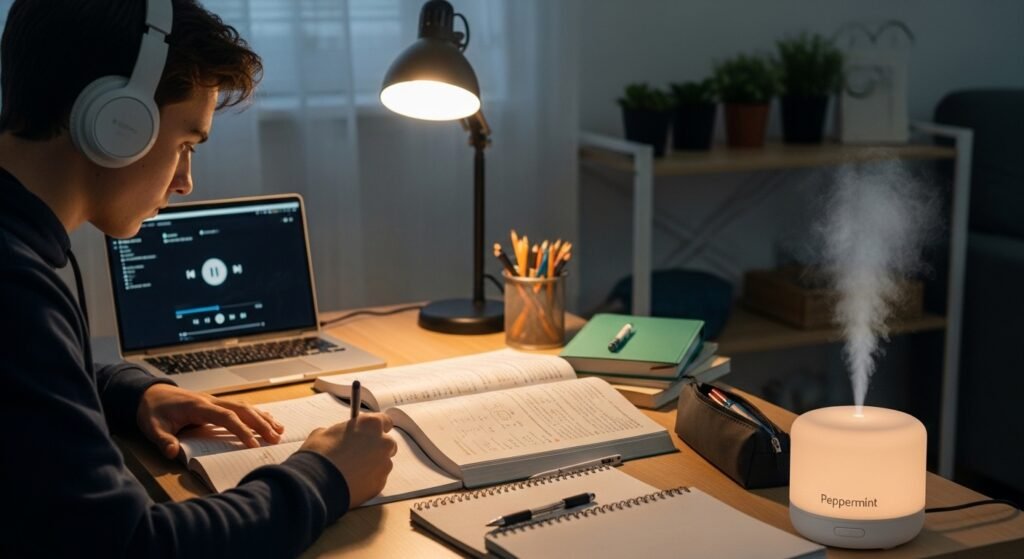
Students apply “context-dependent memory” by selecting specific scents or white noise background sounds for studying different subjects whose examples include peppermint for math and lo-fi beats for history. During the test process, students can use their sensory triggers to help them access the relevant information.
Algorithmic Spaced Repetition
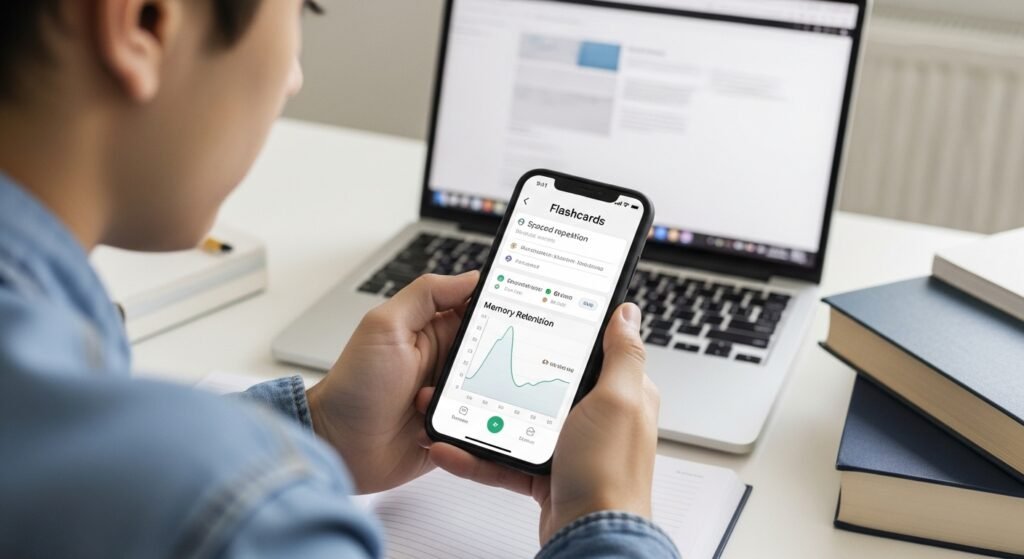
The 2026 software enables users to use predictive algorithms which deliver information precisely one second before their brain will forget the content, thus turning the “memorization” process into an extremely easy task.
