
In 2026, the technology landscape is shifting away from simple “chatbots” and generic tools toward Agentic AI—systems that don’t just talk, but actually act and solve complex problems without human hand-holding. The “Tech Shift” is known as the “Year of Truth” because it introduces actual business systems which function as operational systems.
The Rise of “Agentic” Startups

The next generation of startups will sell AI agents which perform tasks automatically instead of software that requires user operation. Startups will develop an agent which automatically negotiates prices and books flights and manages cancellations through independent operation instead of providing a travel booking tool.
Industry-Specific (Vertical) AI

Generic AI has become a commodity product which businesses can purchase. Vertical AI presents an actual opportunity for startups which concentrate on extremely specialized fields such as “AI for Marine Insurance” and “AI for Solar Farm Maintenance.” The companies present their own proprietary data which general models such as ChatGPT lack.
“Edge AI” and Local Intelligence
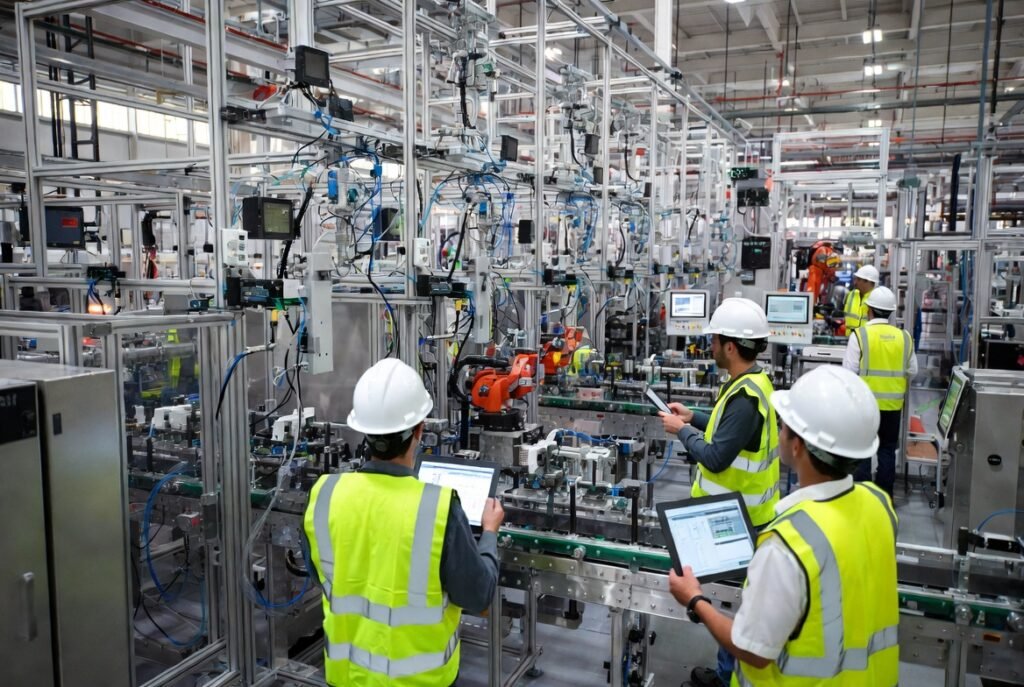
We are shifting away from every service existing in the “Cloud.” The upcoming startups will use Edge Computing technology to let AI processes execute directly on devices such as smart cameras and factory sensors. This technology delivers faster performance at lower costs while preserving user privacy since all data remains on the device.
The “No-Code” Infrastructure Boom
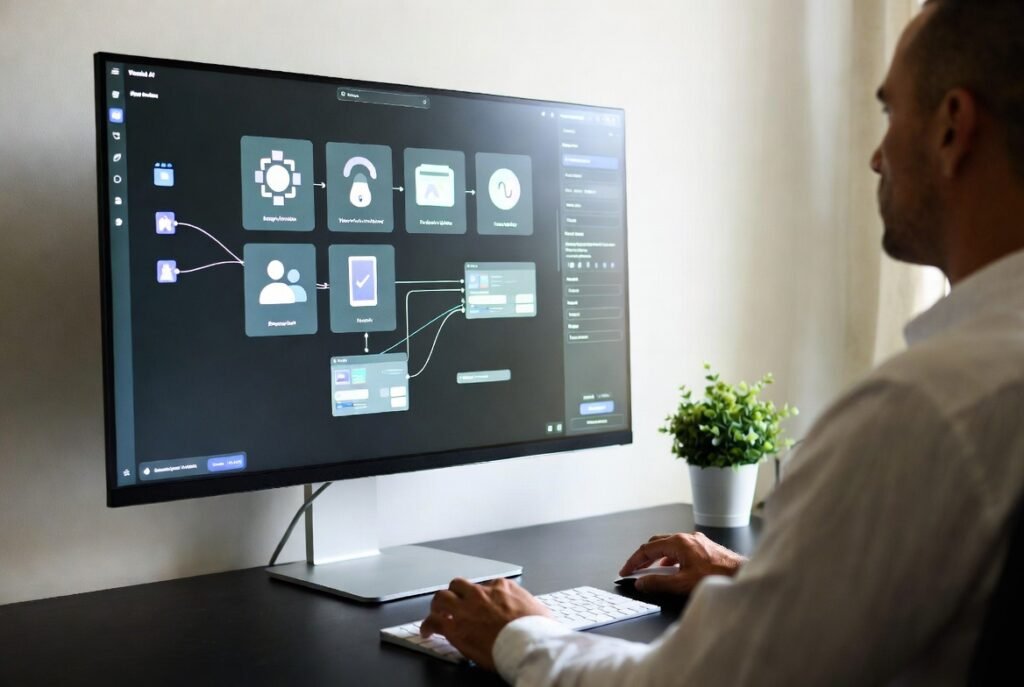
AI has improved so much at producing code that anyone can now establish their own business without facing any obstacles. Startups enable non-technical founders to build complex applications through their intent descriptions. This will lead to a massive spike in the “startup birth rate.”
Solving the AI “Energy Crisis”

AI requires an immense amount of electrical power to operate. Startups which develop Green Computing technologies through better chip design and data center cooling systems have become the essential tools for this gold rush.
Physical AI and Robotics

We have entered a new era where Physical AI exists in the real world while Digital AI only operates through screen interfaces. Startups have developed robot systems that use AI for hospitality, elder care and small-scale manufacturing work which they sell at a lower price because sensor costs have decreased.
AI Sovereignty and Data Privacy

Companies fear their data will leak because global regulations have become more strict. Sovereign Cloud providers who operate secure local AI environments generate high demand from healthcare organizations and government entities.
The “Outcome-Based” Business Model

Traditional SaaS (Software as a Service) charges per user. New startups are shifting to Outcome-Based Pricing. You will pay $5 only when the AI completes a successful sale or solves a customer ticket instead of paying $50 monthly to access the tool.
AI Cybersecurity Defense

Cyber-Defense startups are emerging to counteract advanced hacker attacks which use AI. The companies use Predictive AI technology to detect potential attacks through monitoring network behavior for minor deviations from normal patterns.
Digital Twins for Everything

Startups create Digital Twins which digitally replicate actual systems such as city traffic and supply chains. The technology enables businesses to conduct thousands of “what-if” tests within seconds to identify their most productive operational method.
