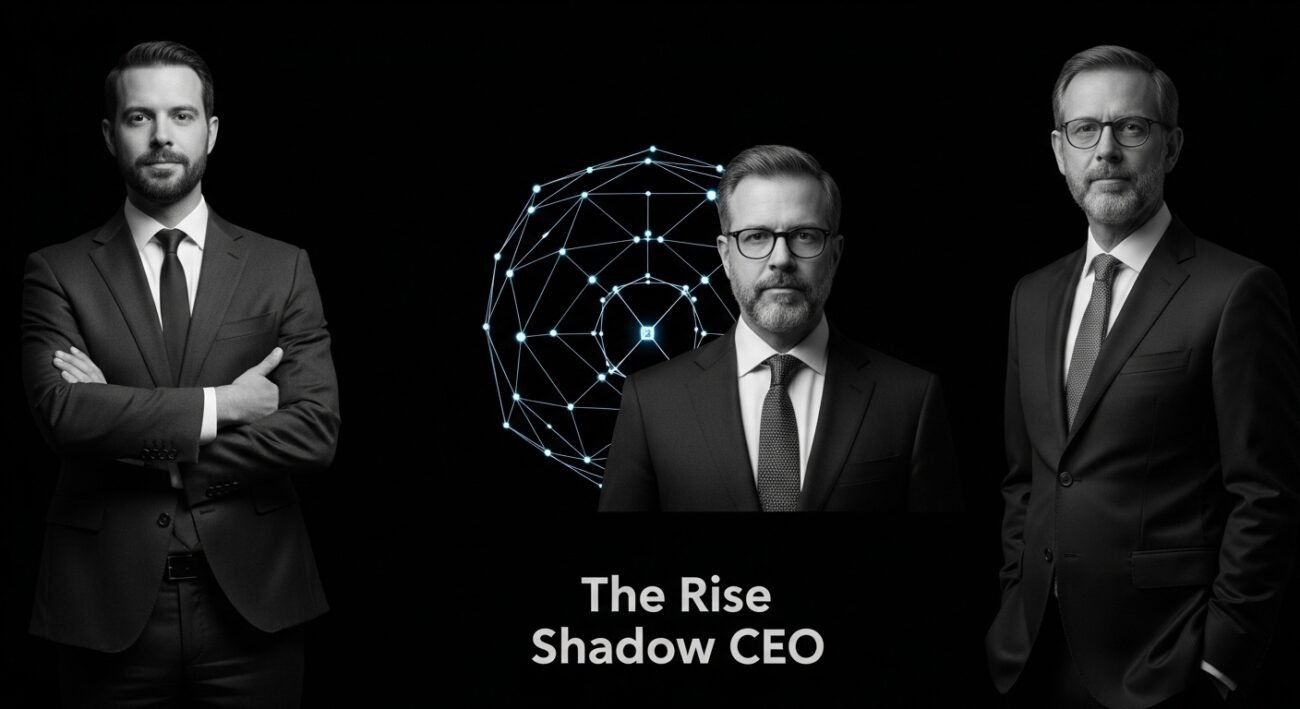
The algorithm known as “Shadow CEO” designates AI systems which operate in secrecy to execute significant executive choices without executive control. The human CEO maintains his position yet “black box” algorithms now function as invisible executives who dictate every organizational aspect from pricing to workforce selection. The new business practices enable organizations to transition their responsibility from employees to the automated analysis of data patterns.
The “Invisibly Managed” Workforce

At Uber and Amazon, their algorithms function as hidden management systems which delegate work tasks while monitoring employee performance and terminating staff members through data evaluation. The system operates without any human overseeing authority because “Shadow CEO” controls the employee termination process based on performance assessment results.
Algorithm-Led Dynamic Pricing

The “Shadow CEO” systems from airlines and hotel businesses update their tariffs whenever they receive competitive information and witness variations in customer attendance. The systems execute instant executive financial resolutions which impact operational profits across multiple sectors without first obtaining board member approval.
Automated Executive Hiring

AI systems now assist large organizations in their executive talent search but they frequently filter out deserving candidates before recruiters receive access to the applicant list. The “shadow recruiter” employs predictive analytics to identify individuals with “leadership potential” which results in excluding diverse candidates who do not match established historical data models.
The “Black Box” Strategy

Hedge funds rely on algorithms to perform intricate trading operations that their developers cannot completely comprehend. The human CEO assumes control of the operational functions as the system makes substantial operational plans which utilize CEO authority to determine corporate strategy through non-intelligent programming.
Algorithmic Inventory Control

Target and Walmart utilize AI technology to determine the precise products which should be available at their store locations. The algorithm’s decision to withdraw a product from a certain area functions as a “Chief Operating Officer” action which goes against the judgment of regional managers who have better customer understanding.
The Loss of Human Accountability
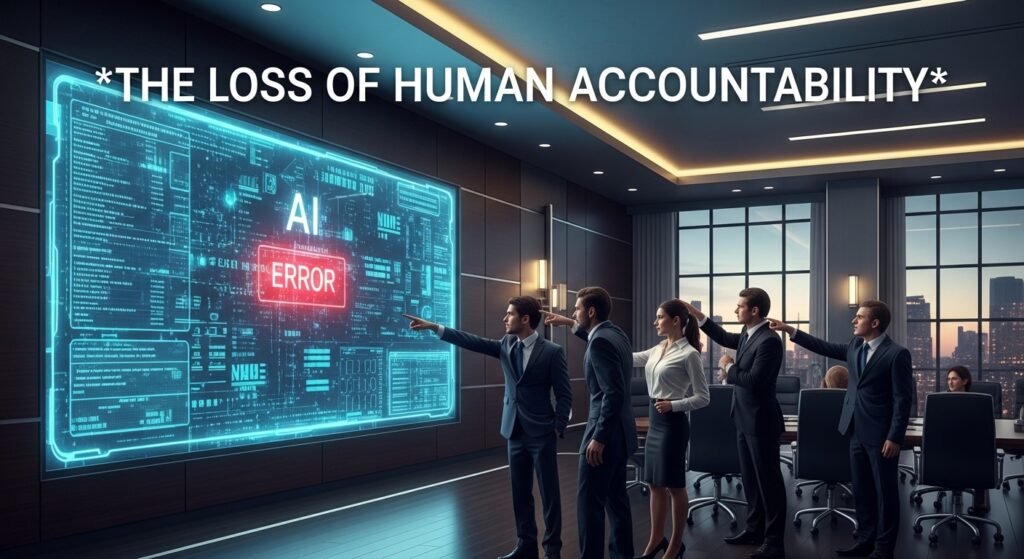
Organizations usually attribute system faults to the algorithm when it produces biased loan rejection results or pricing mistakes. This “Shadow CEO” creation provides leaders with a protective mechanism which enables them to elude accountability for business decisions which result in social or economic consequences.
AI-Driven Project Management

Asana and Monday software platforms are incorporating AI functions which direct team members toward their top priority projects. The algorithms allocate the company resources between time and money which enables them to complete the executive functions which focus on essential spreadsheet tasks.
Social Media Content Curation

The algorithms which control TikTok and Meta platforms determine the content that billions of users access. The “Shadow CEOs” control all cultural and political discussions in every country where they operate by choosing between achieving high levels of user interaction and generating revenue while disregarding both accuracy and protective measures.
The “Feedback Loop” Monopoly
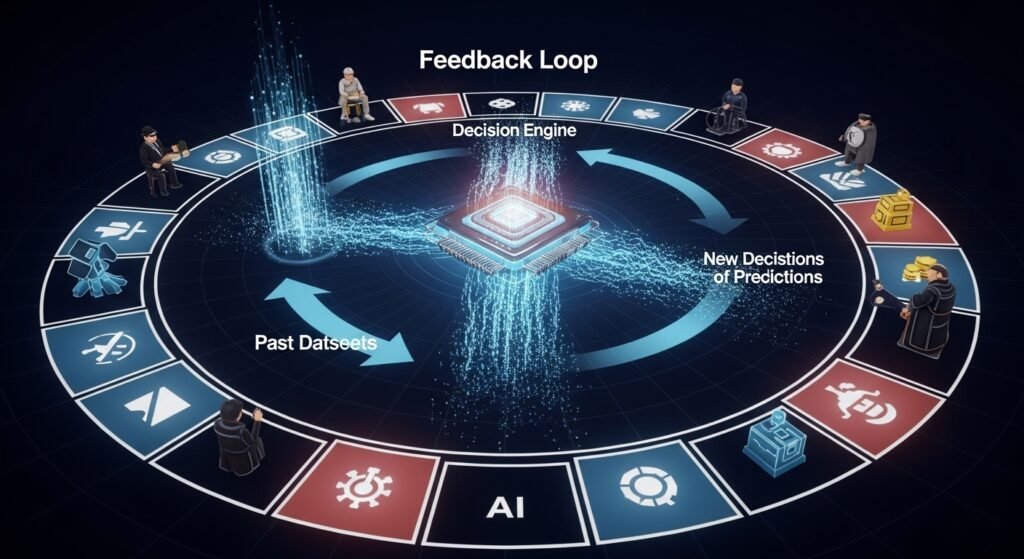
The algorithms acquire knowledge from previous data which causes them to maintain existing business methods because they do not adopt new approaches. The “shadow CEO” will always select the most reliable operational path because he uses historical data from five years ago to make his decisions.
The “Post-Human” Boardroom

Companies are beginning to consider granting AI systems board member voting rights as their algorithms become increasingly sophisticated. The “Shadow CEO” now receives formal recognition through this process because machine data insights possess equal standing with human experiential information.
