The “Green Limit” establishes an ethical banking procedure which limits credit card expenditures according to user carbon emissions instead of their current bank account balance. The soft-lock system which uses environmental data establishes purchasing restrictions which apply when users exceed their allocated “CO2 quota.” The new approach requires shoppers to pay closer attention to the environmental impacts of their regular purchasing decisions.
Carbon-Based Spending Caps
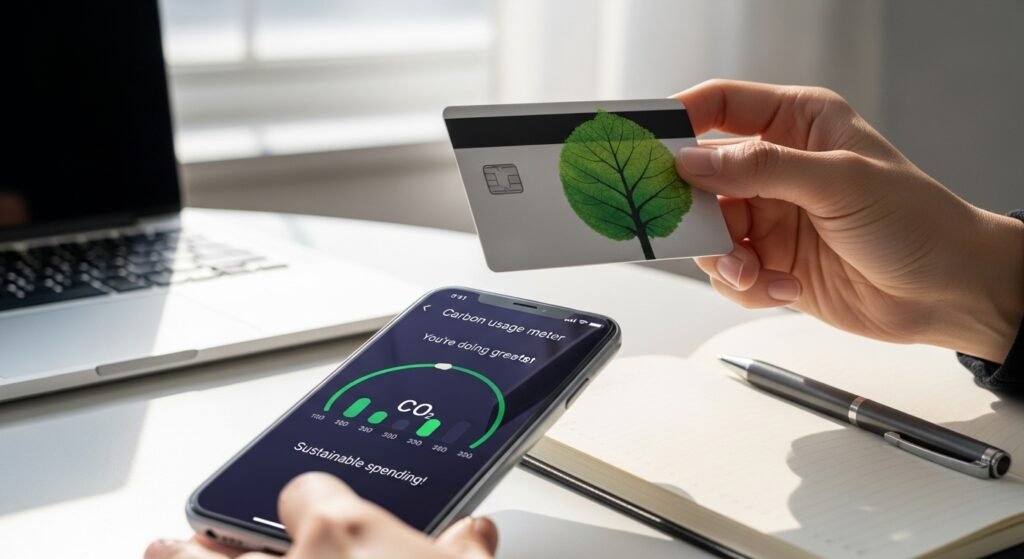
A “Green Limit” card tracks your carbon emissions which result from all your purchases. The card will enter a “soft-lock” mode after you consume your monthly CO2 limit which stops you from buying non-essential items until your next billing period starts.
Merchant Category Tracking
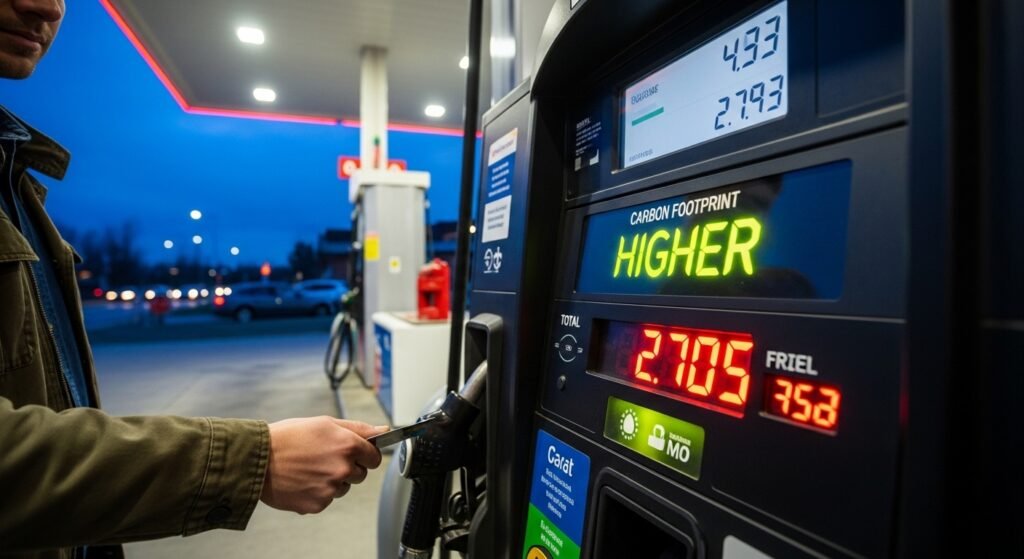
Banks employ “Merchant Category Codes” to determine the expected emissions for each transaction. The system assigns higher carbon value to a gas station transaction from your card swipe than to a local thrift store purchase because the gas station transaction requires more energy to operate than the thrift store requires to run.
The “Soft-Lock” Warning
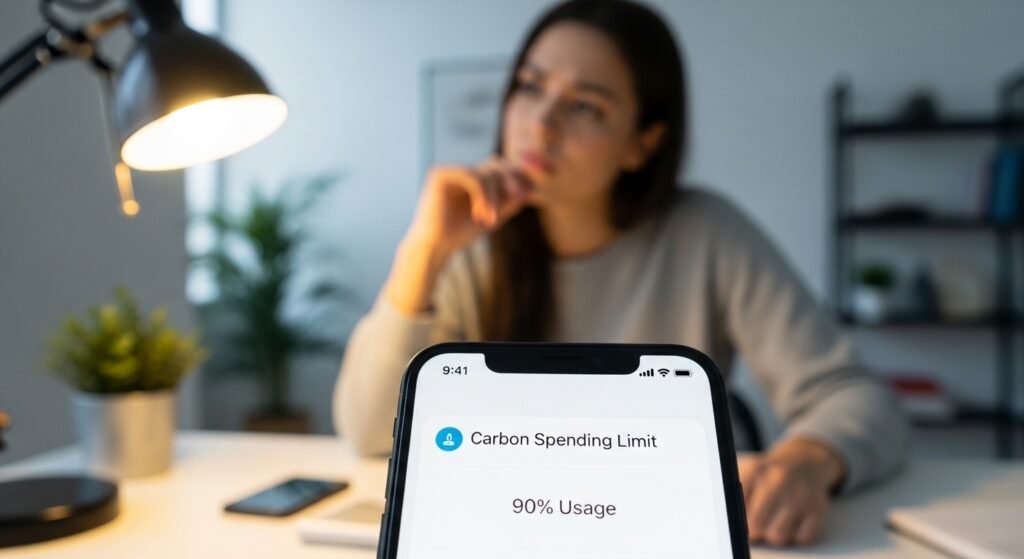
The “soft-lock” mechanism begins with a notification which leads to complete access denial. Your banking application will send you a notification when you reach 90% of your environmental limit so you can select lower-emission options until the end of the month to maintain your account status.
Incentivized “Unlocking”
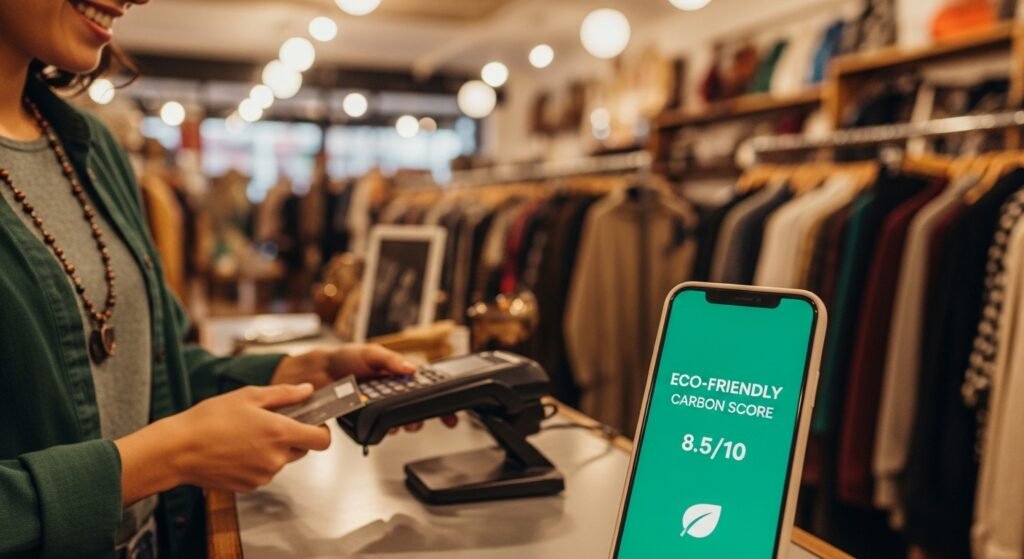
In certain systems your participation in environmentally friendly activities will increase your available spending limit. Should you provide proof of your transition to renewable energy or your usage of public transportation the bank will increase your carbon allocation for the month.
Carbon Offsetting Integration
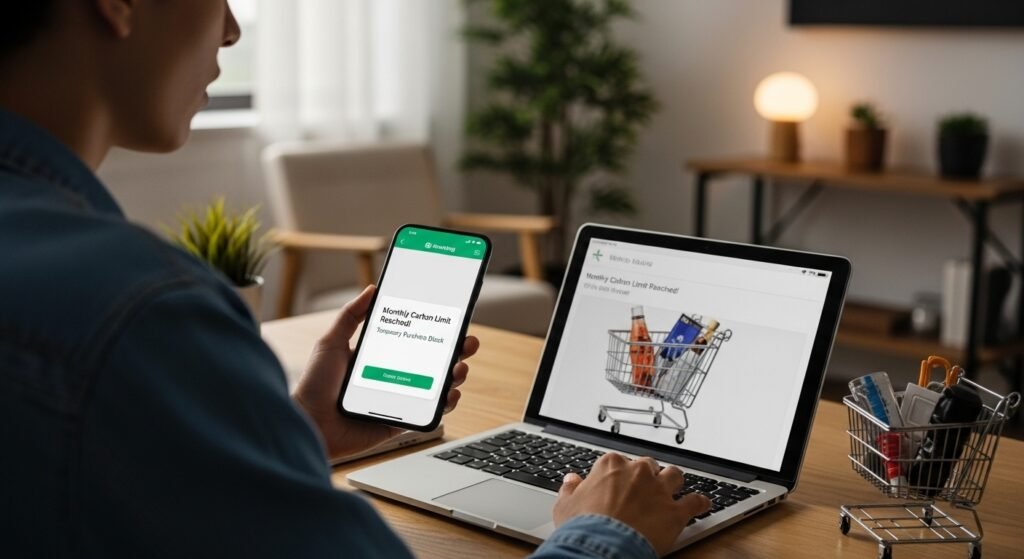
Some cards let users break their soft-lock restriction by paying an “offset fee.” The bank will process your flight purchase only if you commit to donating an amount which equals the purchase’s environmental impact to a reforestation project.
Price vs. Planet Conflict
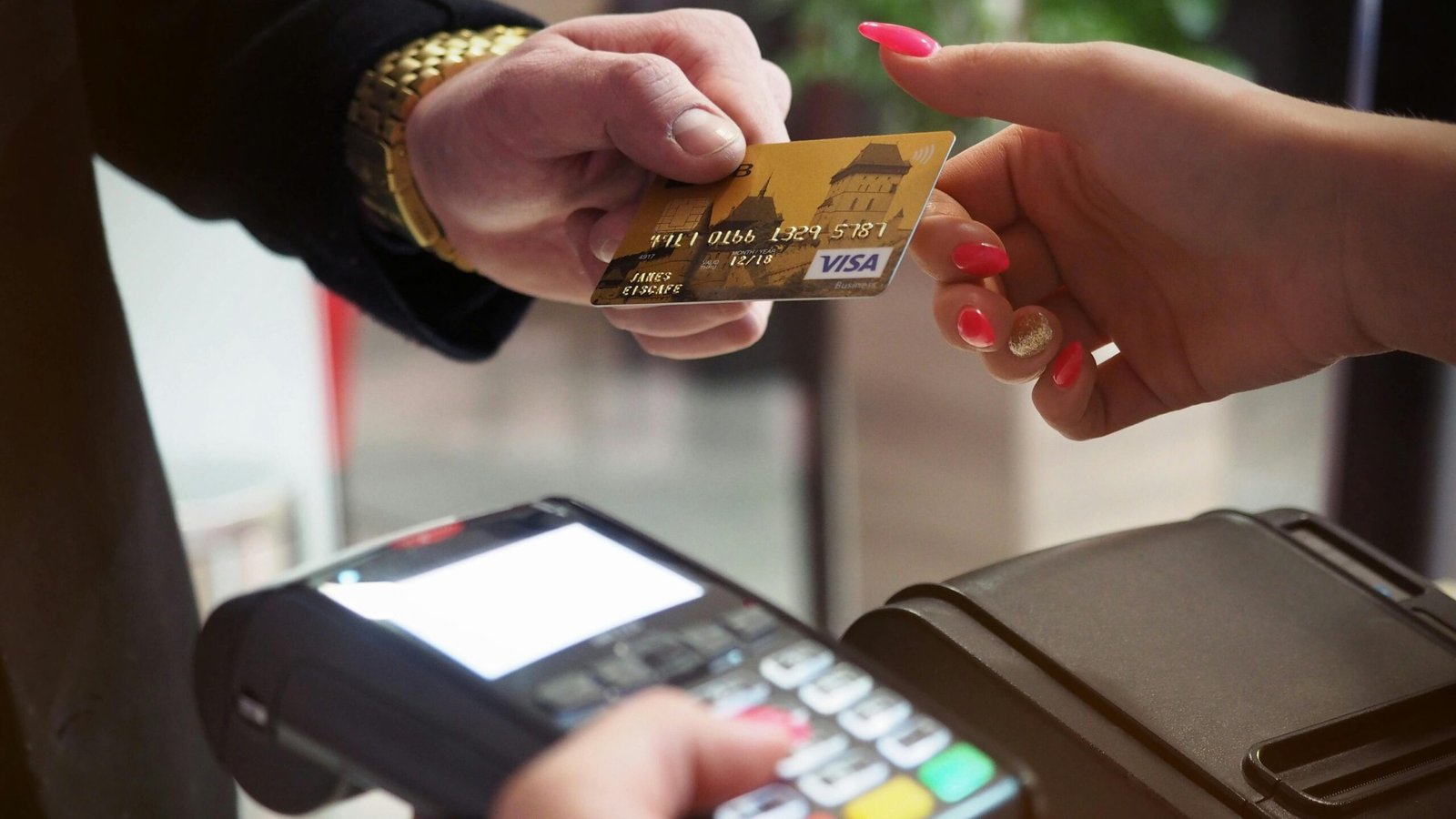
A major challenge is that price doesn’t always reflect carbon. The carbon footprint of a cheap mass-produced plastic toy exceeds that of an expensive locally made wooden toy. The Green Limit forces you to look at the “hidden cost” of the items you buy.
Behavioral Nudging
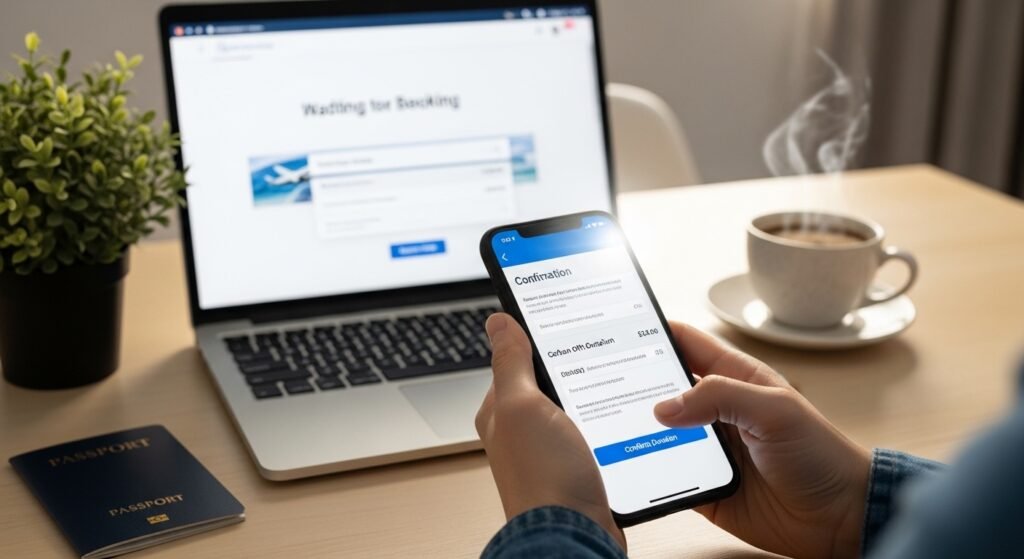
The real goal of the soft-lock is psychological. Your lifestyle environmental impact becomes more apparent when you receive a financial bill together with a carbon bill. Continuous “nudging” leads customers to create environmentally friendly shopping behaviors which will last throughout their lives.
Corporate Greenwashing Concerns
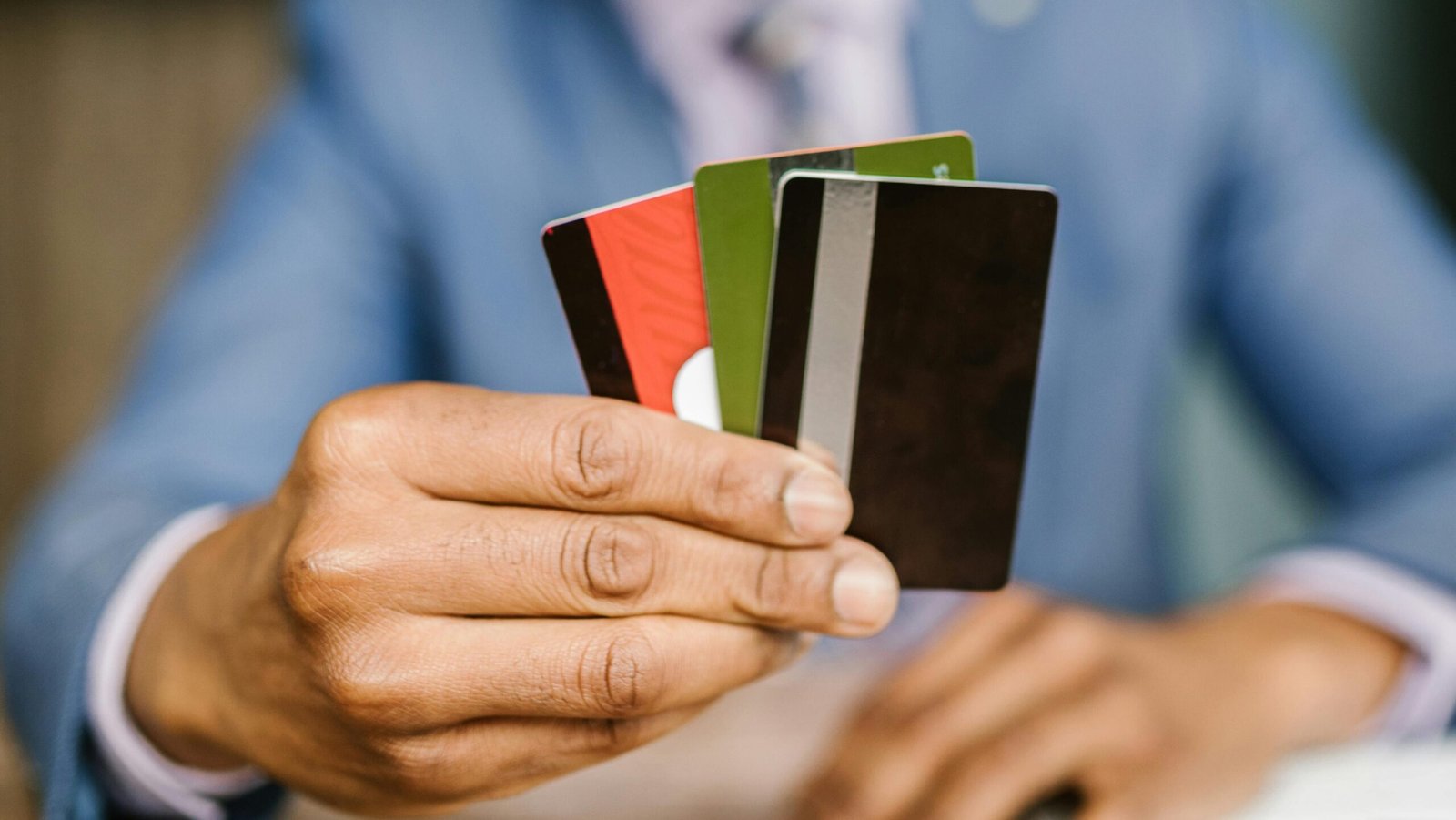
Critics argue that these limits serve as a method of banks to implement “greenwashing” which shifts climate change responsibility onto their clients. The bank will prevent you from buying a burger while they continue to fund fossil fuel company operations through their hidden investments.
Impact on Premium Travelers
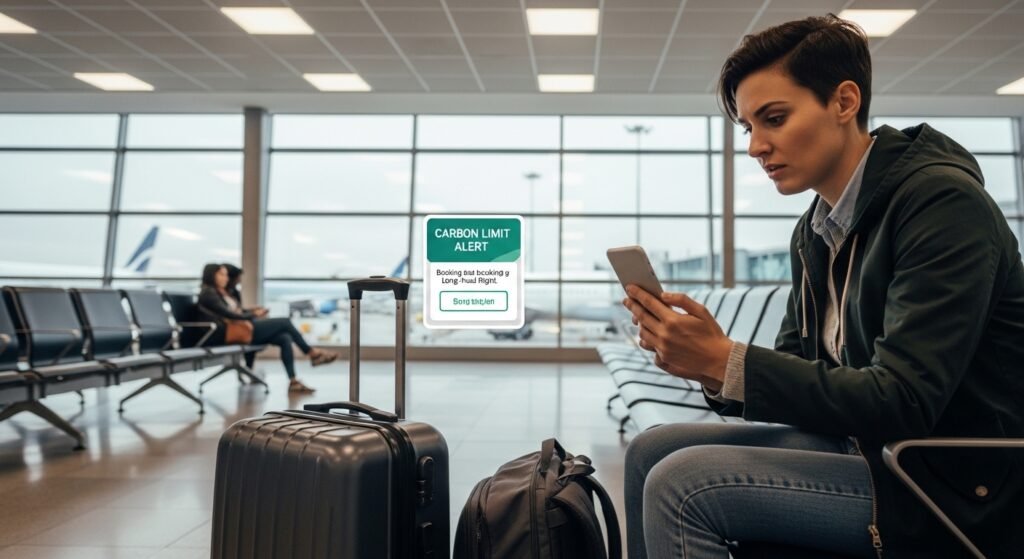
Frequent flyers are the most likely to trigger a Green Limit lock. A single international flight can consume an entire year’s worth of a standard carbon quota which leaves a luxury traveler unable to use their card until the end of their travels.
The Future of “Social Credit”
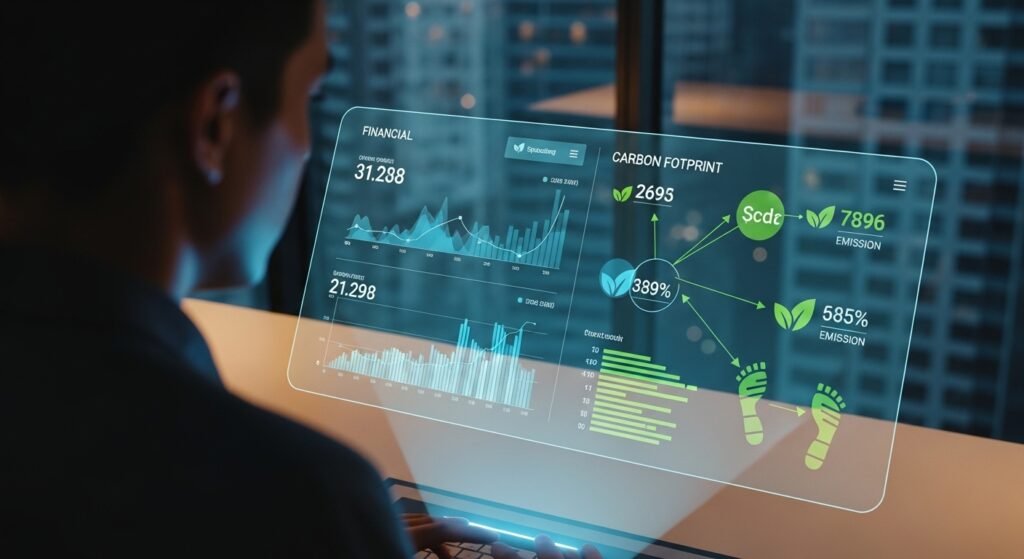
Some fear that Green Limits will develop into a “Social Credit” system which allows the government to control your personal choices. The data collected by the voluntary card system will determine future insurance rates and loan approval decisions which will affect all sectors of society.
