
The digital age is moving education away from a one-size-fits-all model toward a system that is personalized, immersive, and accessible from anywhere. Students require classroom environments that include advanced technology for their self-paced learning and their participation in virtual practical training. The transformation guarantees that future generations will acquire essential thinking skills and digital literacy proficiency which they need for success in contemporary work environments.
AI-Powered Personal Learning Paths

The Artificial Intelligence system operates as a 24-hour tutoring service which customizes educational materials according to students’ academic abilities and learning gaps. Khan Academy uses AI technology to provide students with immediate results which confirm they have mastered the current math material before moving forward.
Gamified Learning for Better Engagement
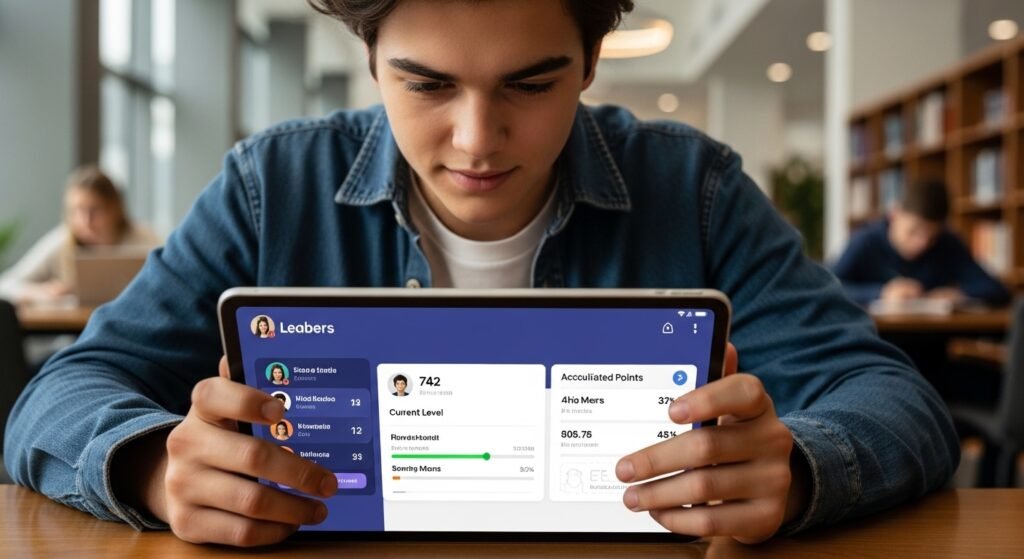
Educational apps use game mechanics, which include points and levels and leaderboards, to create a more attractive studying experience for their users. Duolingo establishes language learning as a daily game for its users through streaks and multi-leveled rewards which drive them to maintain regular study practices.
The Rise of Micro-Credentials

The educational system now recognizes micro-credentials as an alternative to traditional four-year degrees. The educational systems of Google and IBM provide digital credentials which students can earn in data analytics through a program that takes less than six months to complete and leads to higher job prospects.
Adaptive Testing and Assessment

The design of digital exams adjusts their question difficulty according to the student’s answer patterns from their previous questions. Testers receive accurate assessment results because the system delivers testing questions that match their actual capacity, which prevents them from facing overly difficult items and excessively simple items.
Global Collaborative Projects

Students from different countries can work together on their projects because technological developments remove all international collaboration restrictions. Students in New York science classes will use video connections with digital whiteboards to connect with a Tokyo classroom which allows them to track local weather patterns.
Blockchain for Secure Academic Records
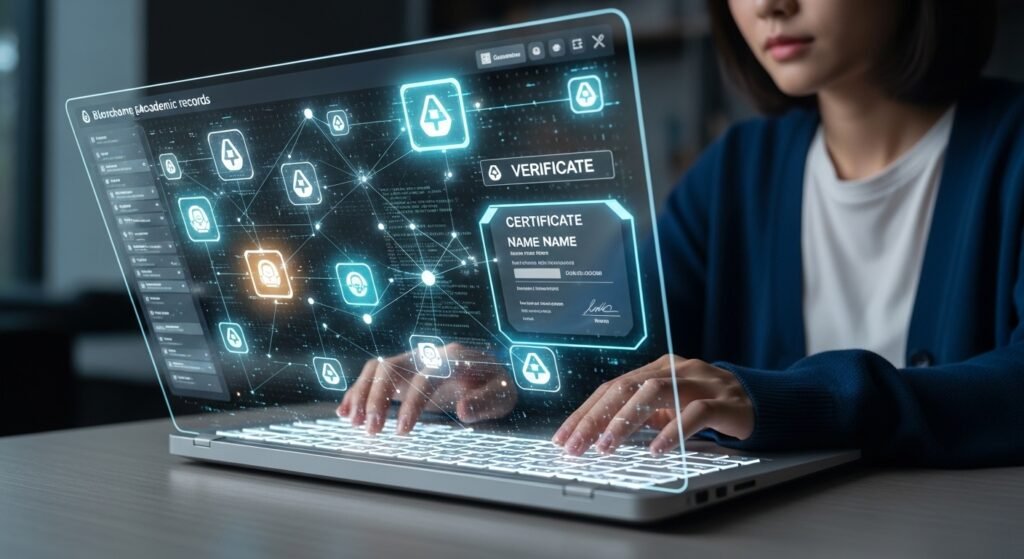
Blockchain technology enables the creation of permanent digital transcripts because it produces records which cannot be altered. Students gain direct access to their academic records which enables them to share verified diploma and grade information with employers and other universities without needing official documents.
Artificial Intelligence for Teacher Support
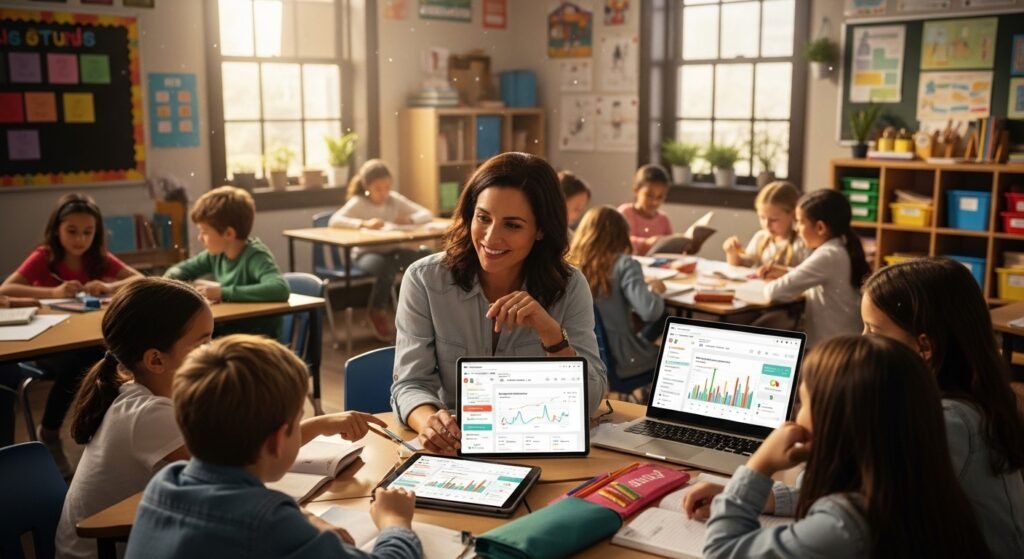
AI handles all administrative tasks, which include grading multiple-choice tests and managing scheduling duties. Teacher administrative work at this school will free up time for student service tasks after their administrative responsibilities conclude.
On-Demand “Just-in-Time” Learning

The educational system requires students to search for specific information whenever they require it and a student who needs to fix a computer will select to watch a specific 2-minute “nanolearning” video instead of attending an hour-long hardware lecture.
The “Infinite” Digital Library

The digital age provides every student with access to the sum of human knowledge through open-access journals and digital archives. A remote village student can now access the same advanced research materials as a student who attends an Ivy League university.
