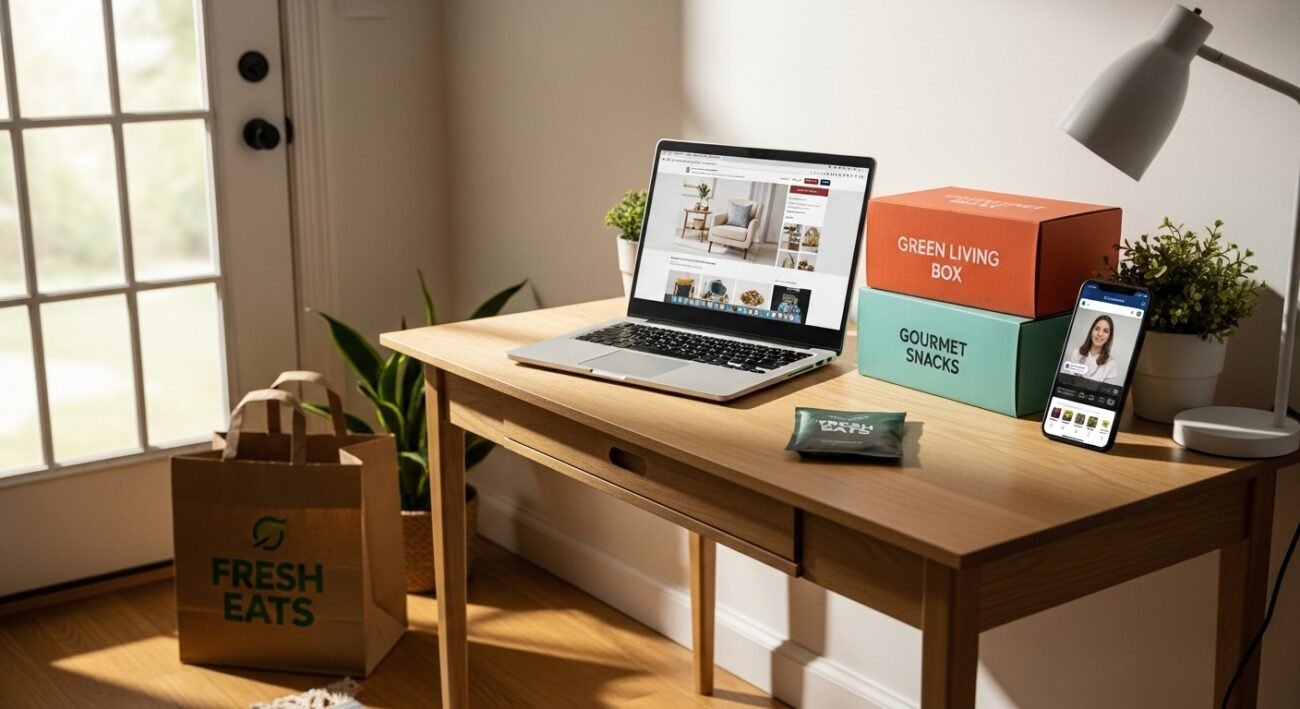
The American economy has undergone a major transformation from its original “brick and mortar” approach to systems which prioritize rapid delivery of personalized customer service and flexible services and efficient operations. People want products which provide them with a balanced lifestyle at home. The current trend has brought about the creation of various business methods which have become normal for many people.
The Subscription-Everything Model
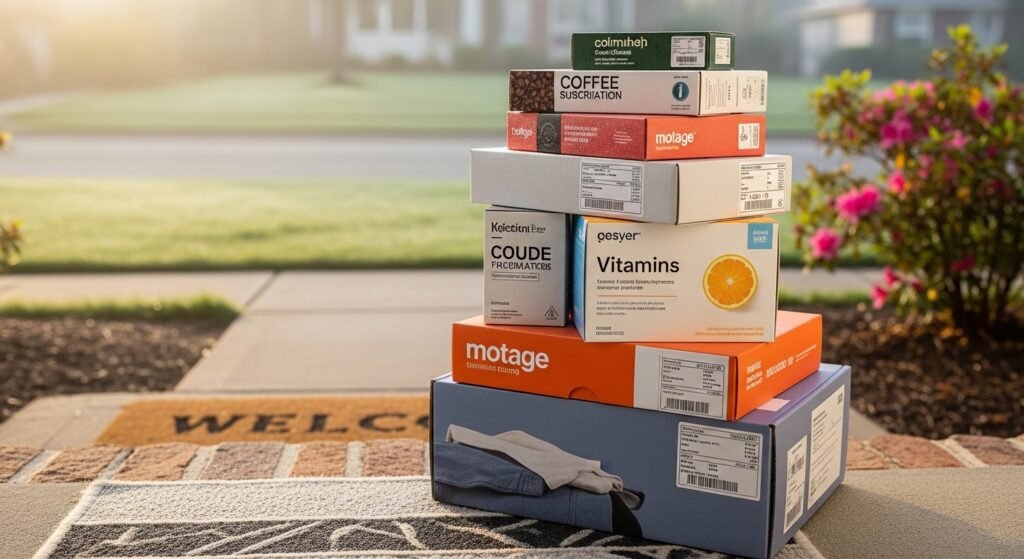
Americans today subscribe to numerous products which include car maintenance services and high-end coffee and vitamins and clothing in addition to movies and music. The shopping model succeeds because it provides customers with a shopping experience that eliminates their need to make decisions. People prefer receiving essential items through continuous delivery service because it frees them from having to create fresh purchase requests.
“Ghost Kitchens” and Virtual Brands
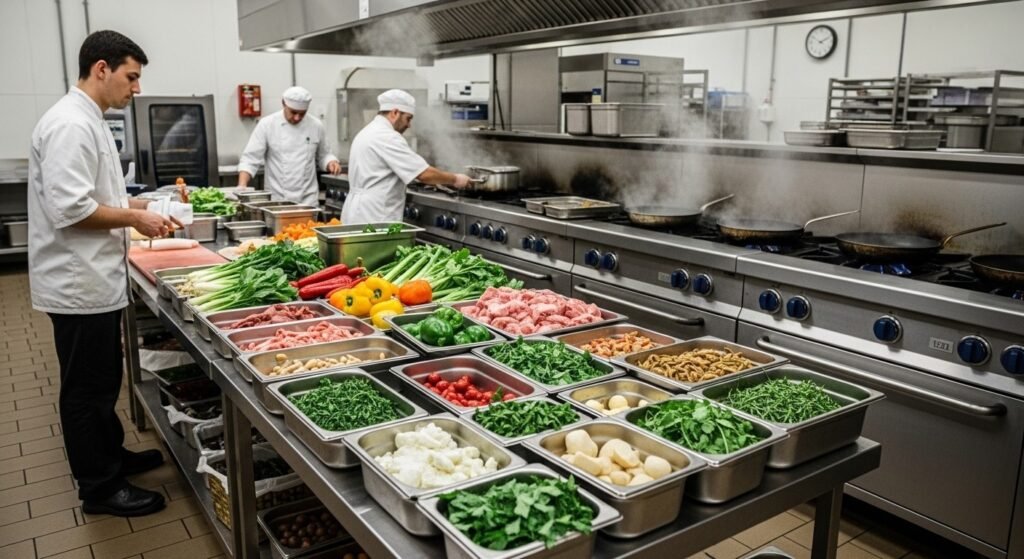
Restaurants which do not have dining space appear on delivery applications as their most popular restaurants. Ghost kitchens serve as professional cooking facilities which only create food for delivery purposes. The method enables chefs to develop new meals and concepts without needing to bear restaurant expenses, which results in dining possibilities that offer customers a wider selection of dining options.
Hyper-Local Delivery Services
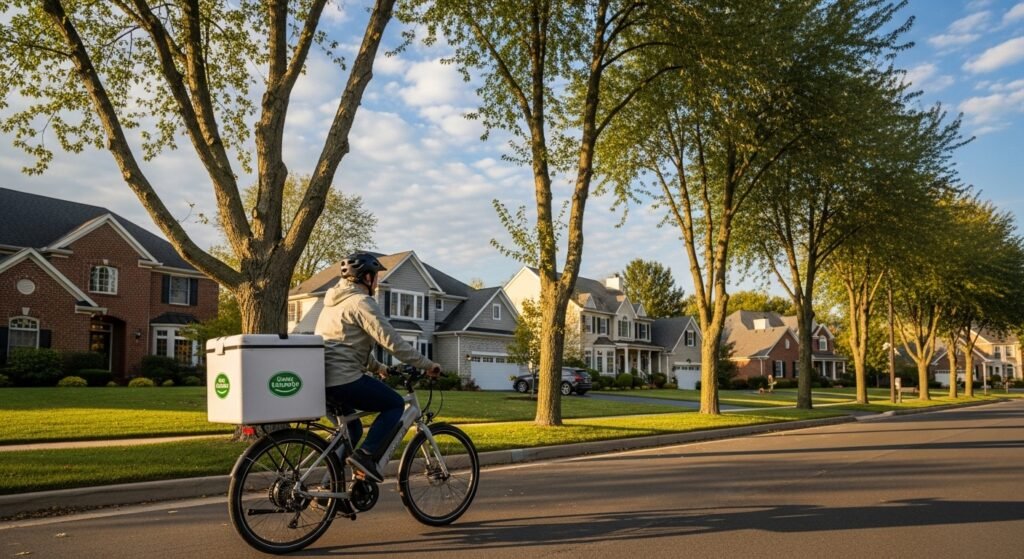
Hyper-local delivery services which operate in particular neighborhoods have become more popular, despite the continued existence of large delivery companies. Delivery services operate through these businesses which use electric bikes and small robots to deliver groceries and pharmacy items within a 15-minute timeframe. Americans prefer to have their recipe components brought to them immediately when they realize they need to replace a missing ingredient.
The “Fractional” Ownership Model
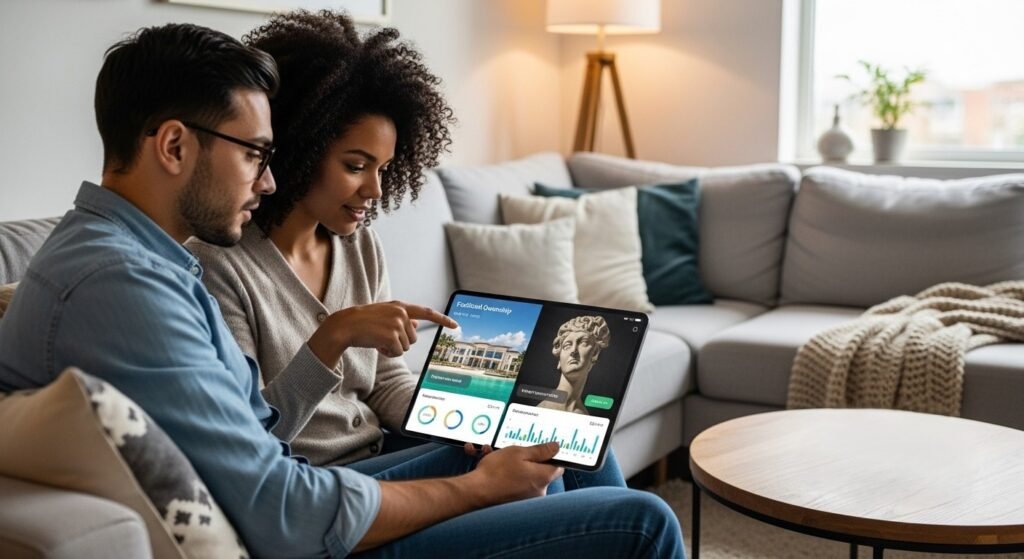
High-interest rates and rising costs have made owning luxury assets difficult. New platforms allow people to buy “fractions” of items like vacation homes, fine art, or rare collectibles. The “share-based” economy enables Americans to access high-value assets and investments without needing to invest millions of dollars from the start.
Hybrid “Work-from-Anywhere” Hubs
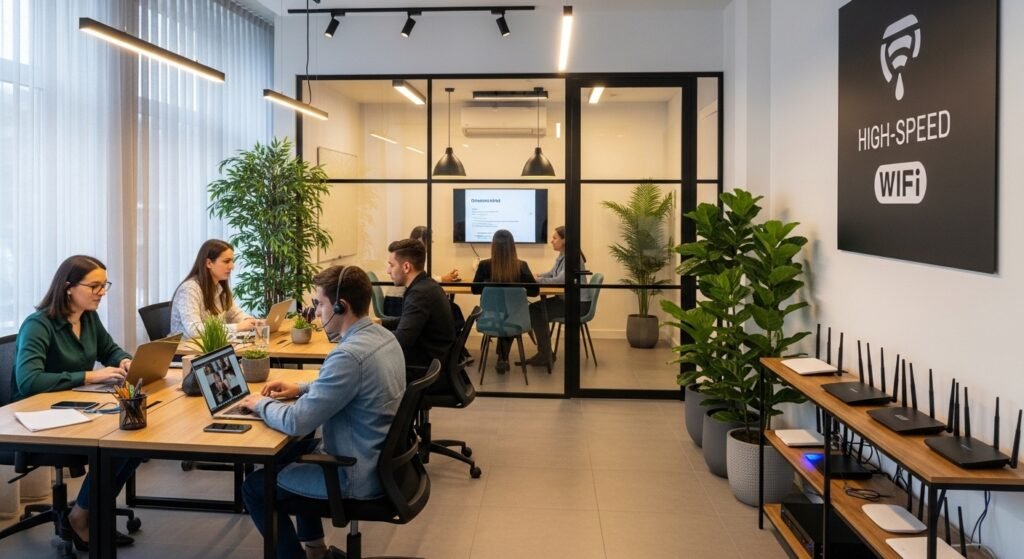
Remote work has created a demand for neighborhood co-working hubs which function as permanent workspace solutions. The street provides access to these small and comfortable offices which people can use for their work, the facility provides high-speed internet access and professional meeting spaces for individuals who desire to work without traveling.
Direct-to-Consumer (DTC) Healthcare

Americans are increasingly bypassing traditional pharmacies for specialized health startups and the company provides online medical consultations and mail-order prescriptions for skin care and hair loss treatment and other products. The service has become a preferred choice for busy workers because it provides transparent pricing and the option to skip waiting areas.
The “Re-Commerce” Boom
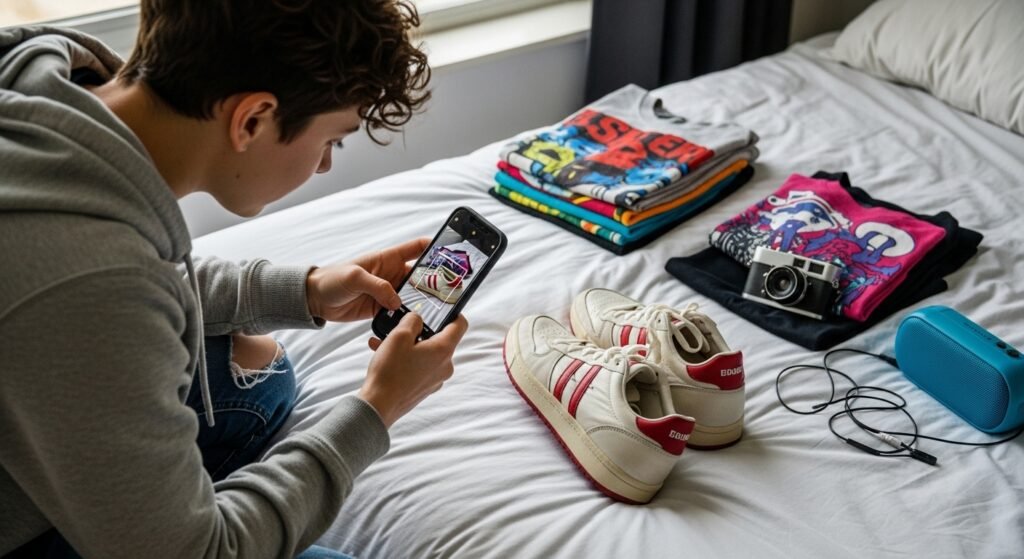
Second-hand shopping has gone high-tech. People commonly use peer-to-peer marketplaces to buy and sell second-hand clothing and electronics and furniture. The American people prefer this business model because it promotes sustainable consumption and thrift shopping, which allows them to purchase branded products at reduced prices while preventing product waste.
Micro-Learning Platforms
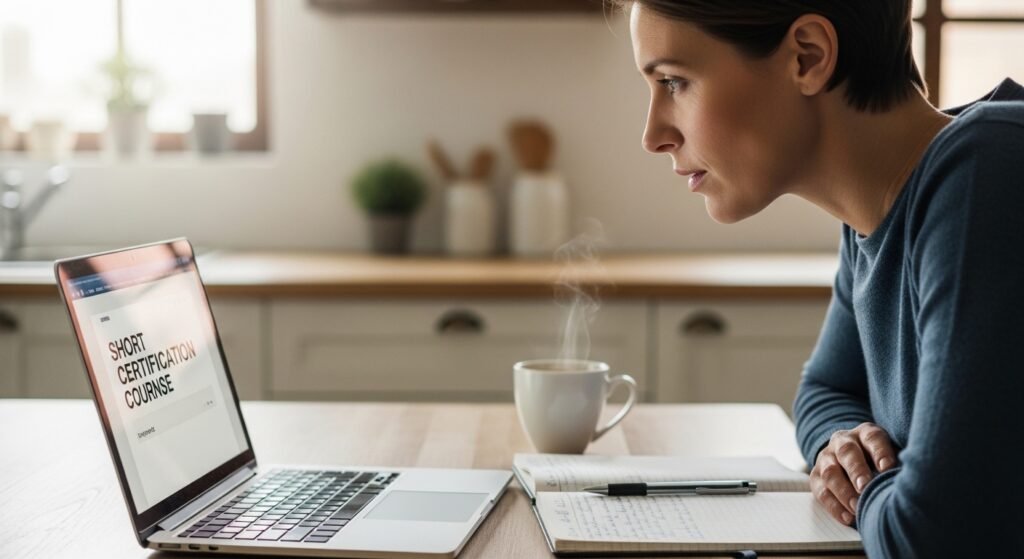
The traditional four-year degree is being supplemented by “micro-credentials.” The short training programs which offer specific skill development have experienced business growth. Americans love these because they are affordable and offer an immediate path to a better job.
Unmanned “Honest” Retail
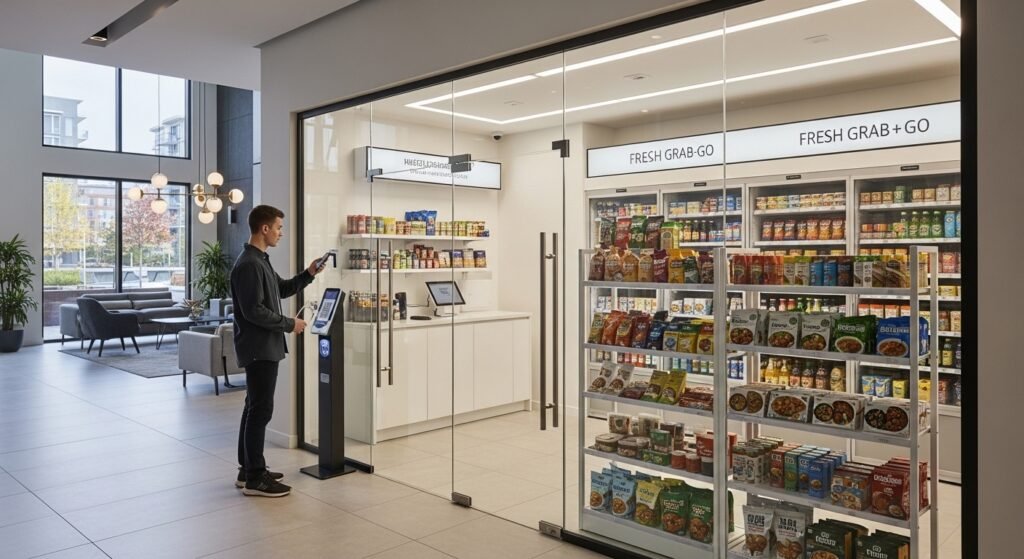
Automated kiosks and grab-and-go stores have started to appear in both apartment complexes and office building entrances. The stores enable customers to enter the space, select their desired products, and leave, as the system automatically charges their account through phone payment. The vending machine has reached its most advanced state of development.
The Wellness “Membership” Club
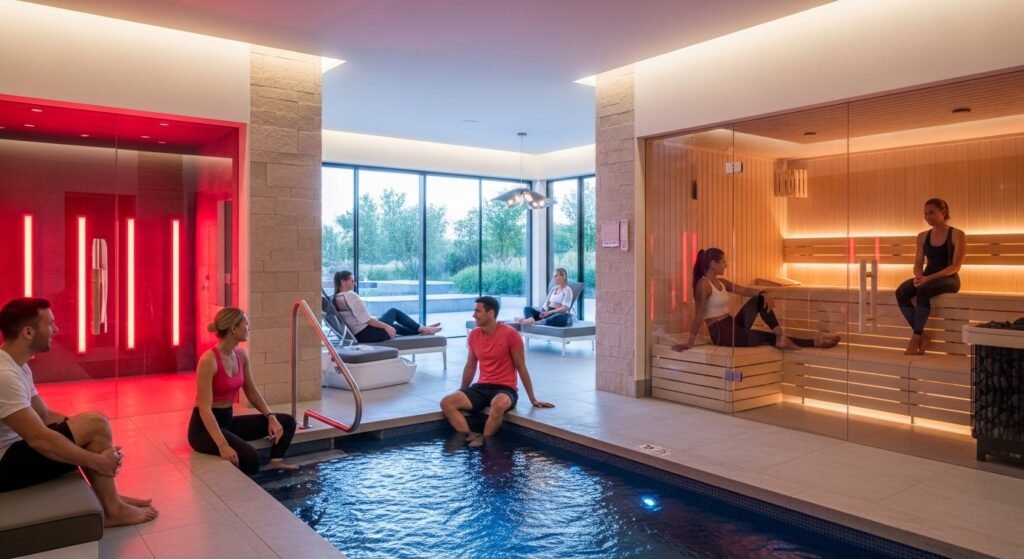
Americans have started using “recovery centers” which provide them with access to cold plunges and saunas and red-light therapy. The business promotes wellness through weightlifting and health-fostering activities. The centers have developed into social spaces which serve people who want to connect with others who share their health-centered lifestyle.
