
Smart fridges with auto-order features are marketed as the ultimate convenience, but they often act as a silent drain on your bank account. By removing the “friction” of manual shopping, these appliances prioritize keeping shelves full over keeping your budget intact and this shift from intentional buying to automated consumption can lead to significant financial “leakage” that many homeowners don’t notice until their monthly credit card bill arrives.
The “Price Blind” Purchase
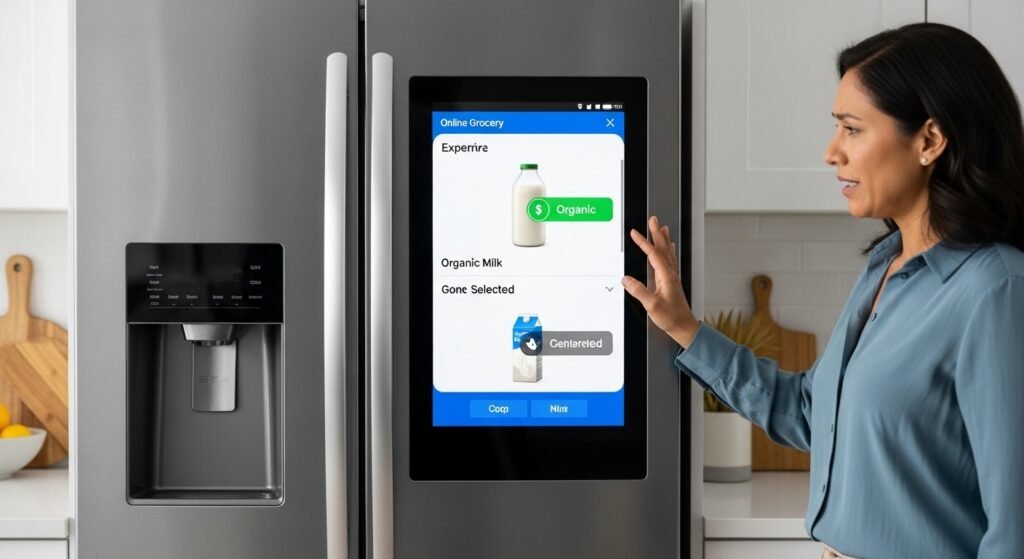
The fridge system selects milk from its “preferred partner” brand instead of choosing the current discounted brand which is available for that week. The customer loses price comparison rights when the system displays a gallon price of 5 dollars for a gallon that costs 3.50 dollars at another nearby store.
Lack of Coupon Integration
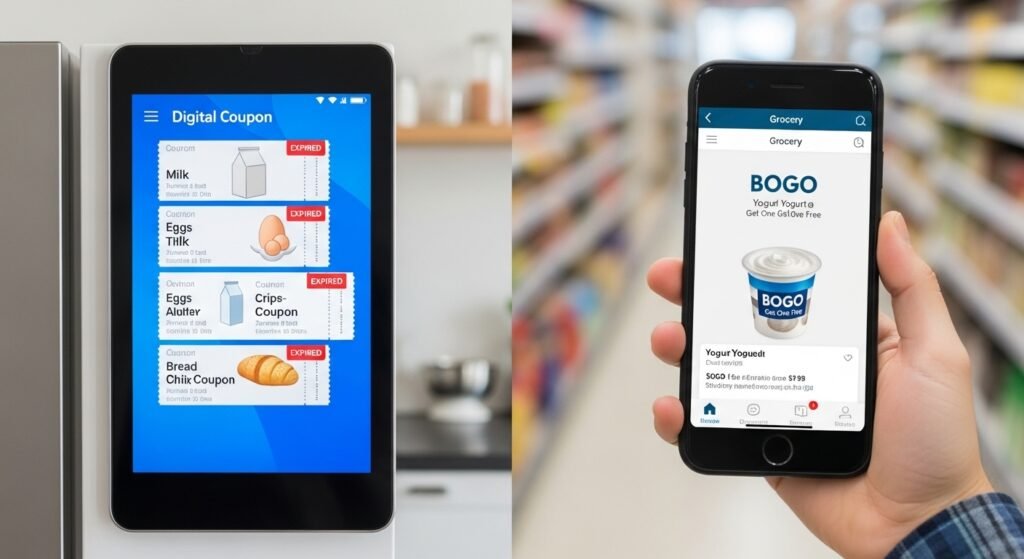
The smart fridge system does not perform scanning operations for digital coupons or physical store circulars. The fridge orders one product at its full price after the shopper identifies a “Buy One Get One Free” promotion, which results in the shopper missing out on significant savings throughout the year.
The “Phantom” Restock
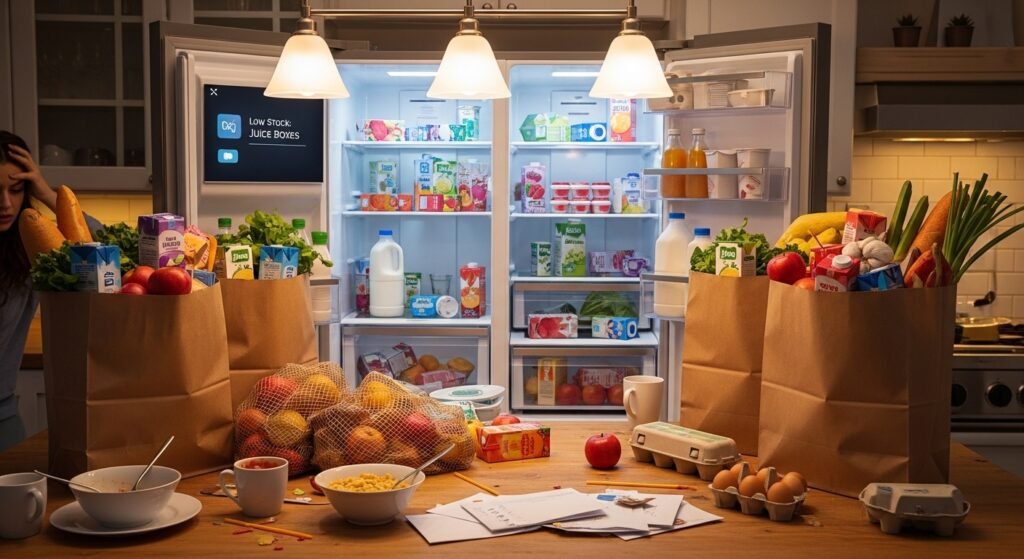
When a child moves the juice box to another shelf, the fridge thinks that all juice boxes have been consumed. The machine makes “phantom” purchases because it buys items which you already possess, which results in unnecessary kitchen clutter and monetary loss.
Delivery and Convenience Fees

Every automated purchase requires both a delivery fee and a service tipping charge. The fridge initiates purchases at the moment each item becomes unavailable, which leads to monthly “delivery overhead” expenses of 50 dollars for your home.
Over-reliance on “Suggested” Items
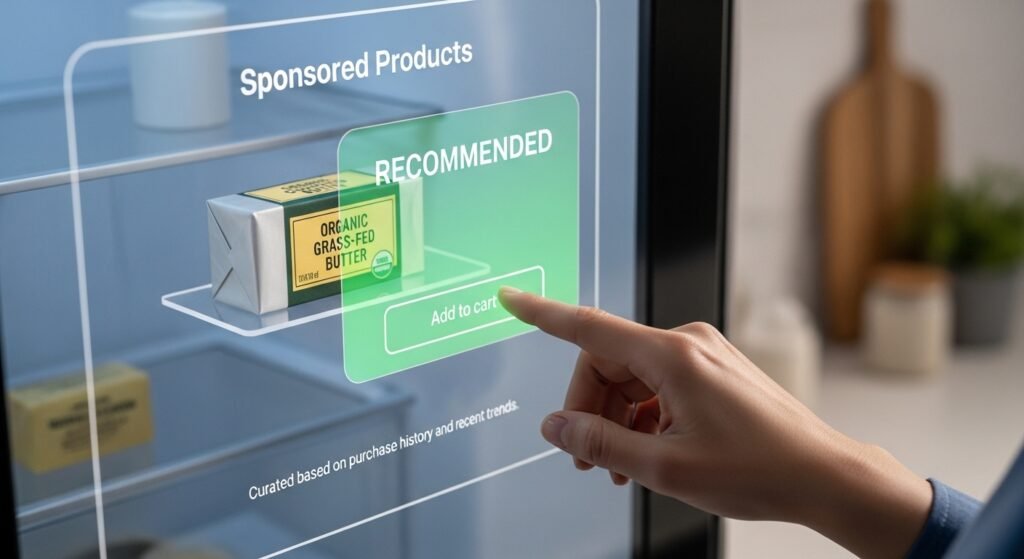
The manufacturers create the interface to include “sponsored” product recommendations. The fridge selects organic butter at a higher price point instead of your typical brand, which pushes you to spend more money without making an active choice to increase your spending.
Inventory Management Errors
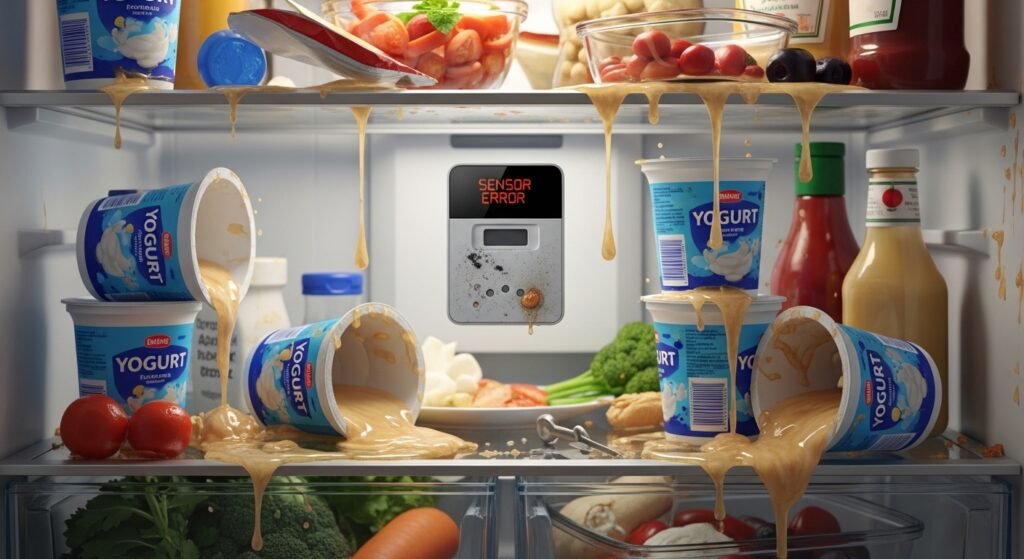
Spills or sticky residue on sensors can cause “misreads.” A dirty sensor caused the fridge to buy 10 tubs of yogurt within one week because it could not detect current inventory, which resulted in immediate food and financial loss.
The “Tech-Tax” Maintenance
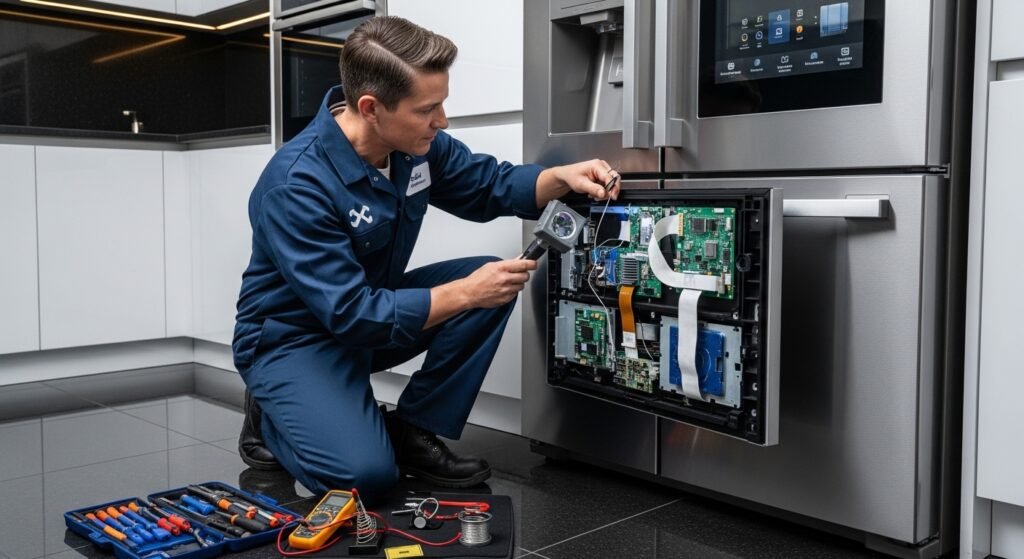
The smart fridge system needs both software updates and fast internet connectivity. The expenses for repairing “smart” parts exceed standard fridge repair costs because specific technicians must handle broken ordering screens in addition to their regular work duties.
Impulse Buy “Add-ons”
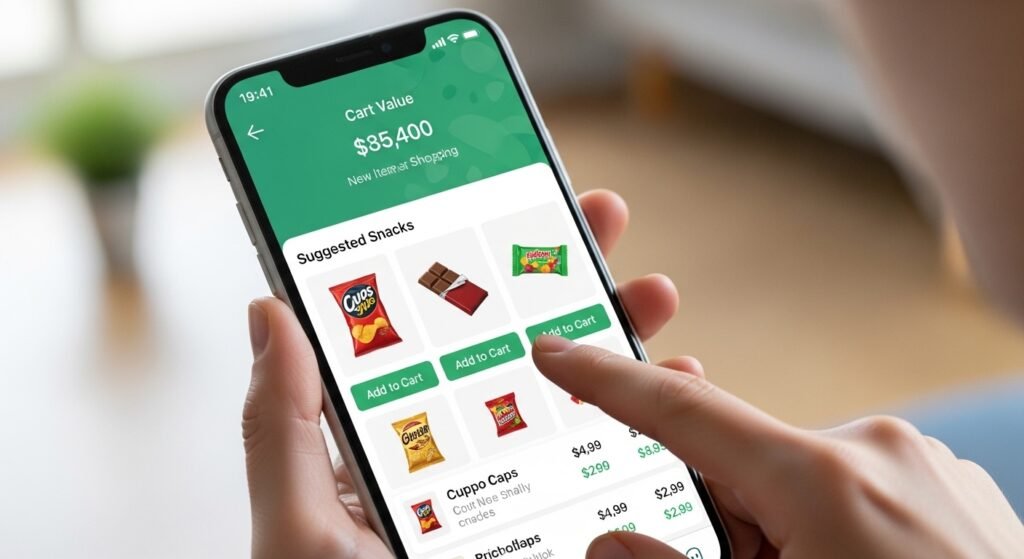
The linked grocery apps will show “common pairings” (like crackers with cheese) to customers before they finalize their grocery order. Customers can easily spend an additional 20 dollars on unexpected snacks through the digital “checkout aisle,” which becomes part of their “automated” spending limit.
Outdated Family Profiles
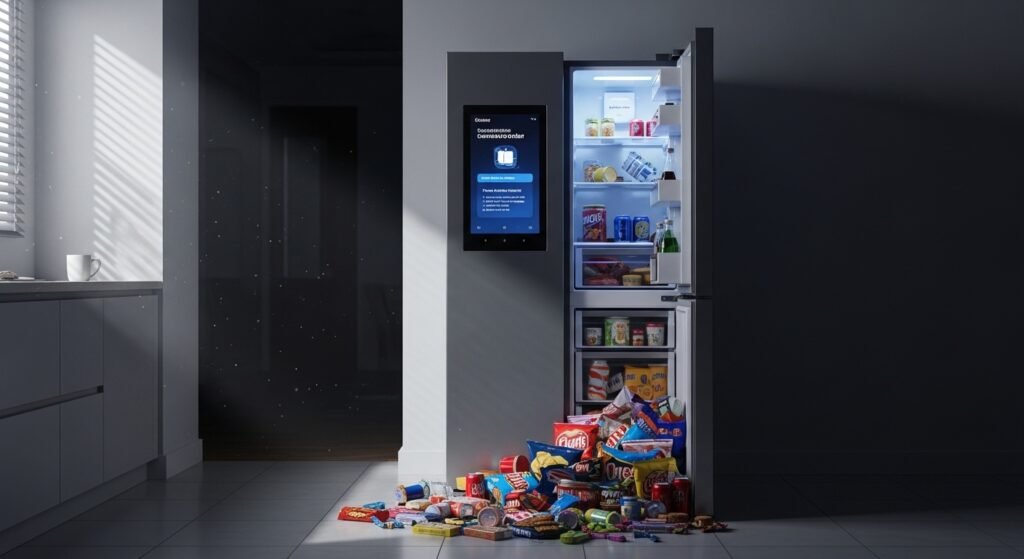
The fridge cannot identify that someone has departed from the household when a teenager goes to college. The appliance will continue to purchase excessive snacks and beverages for the past resident until the “household profile” receives an update, which results in continuous family budget loss for multiple months.
