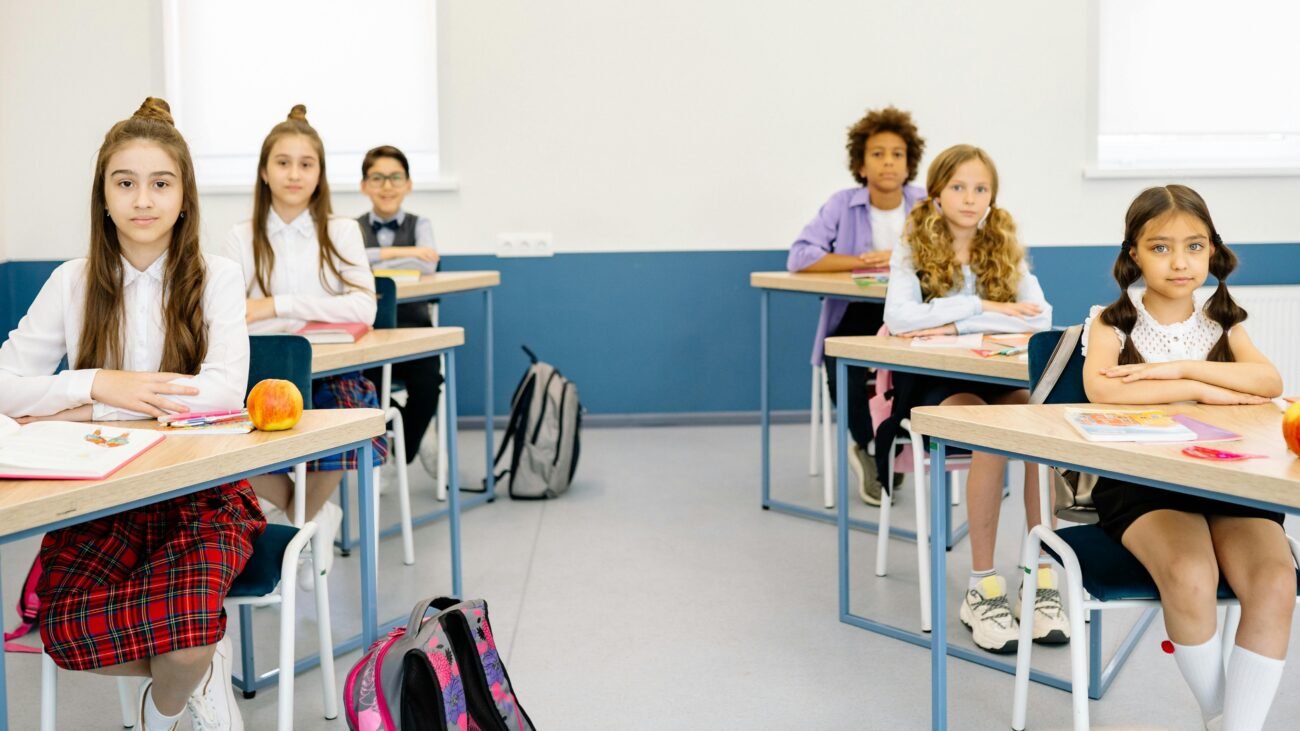
The United States spends more per student than almost any other nation on earth. So why are reading scores flat, classrooms crumbling, and an entire generation of kids falling behind? This is not a story of too little money. It’s a story of misdirected priorities, bureaucratic expansion, and reforms that promised accountability but delivered loopholes. America didn’t just fail its school system; it failed its kids, from Silicon Valley’s education experiments to the pandemic’s devastating impact. Here is the uncomfortable truth, chapter by chapter.
We Spent More Money Than Any Nation

Between 2000 and 2020, inflation-adjusted per-pupil spending in American public schools rose by nearly 40 percent, adding hundreds of billions of dollars. However, academic outcomes remained largely unchanged, with funds contributing to administrative bloat, compliance infrastructure, and vendor technology contracts that promised transformation but only provided dashboards.
No Child Left Behind Left Plenty of Children Behind
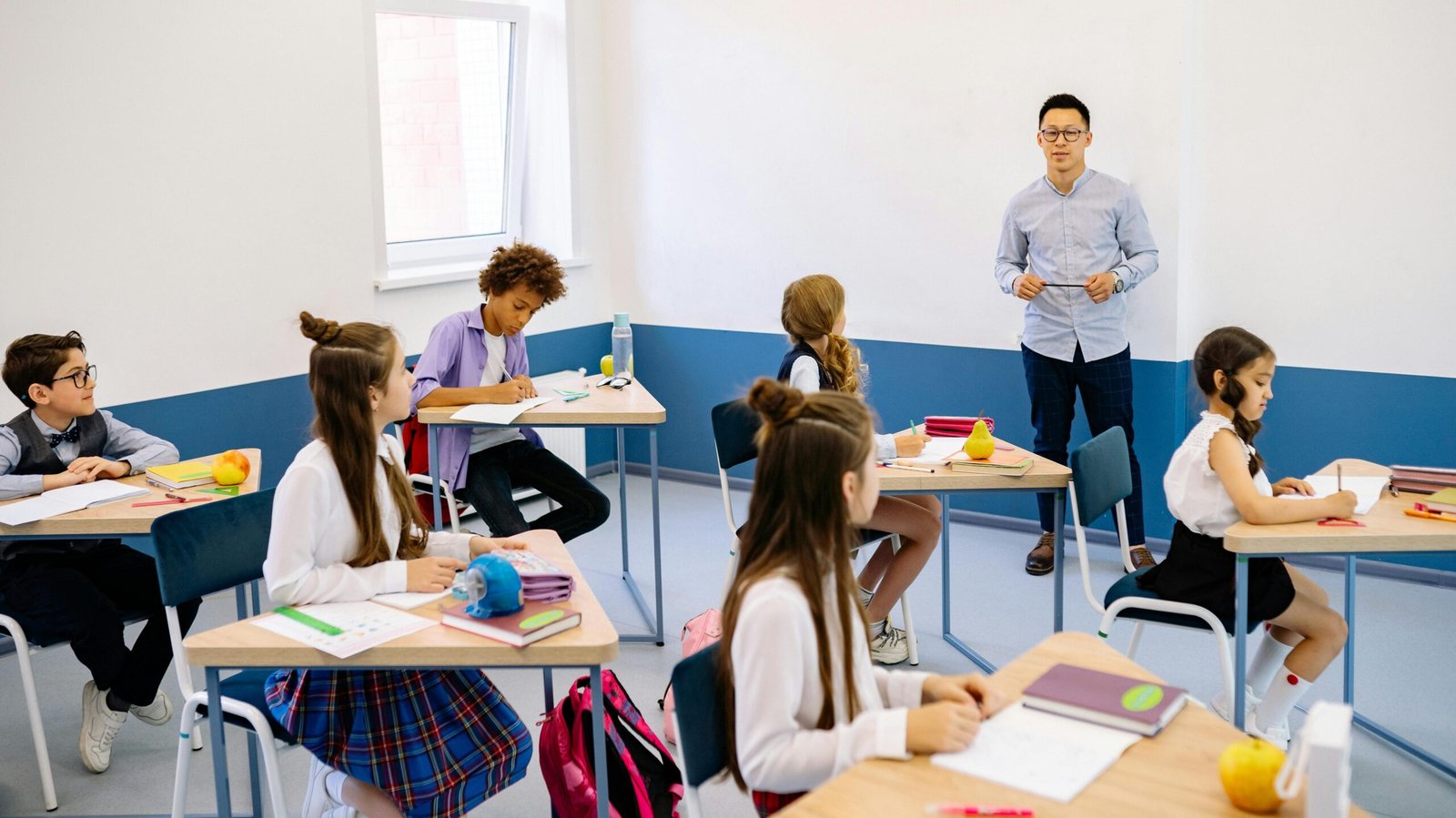
The 2001 law aimed high, testing schools, publishing results, and holding failing institutions accountable. States found that if standards constantly shifted, they didn’t need to explain why many students struggled. By 2015, the major legacy of this reform era was a generation of educators who learned to bypass accountability.
Silicon Valley Came to School and Left With the Check
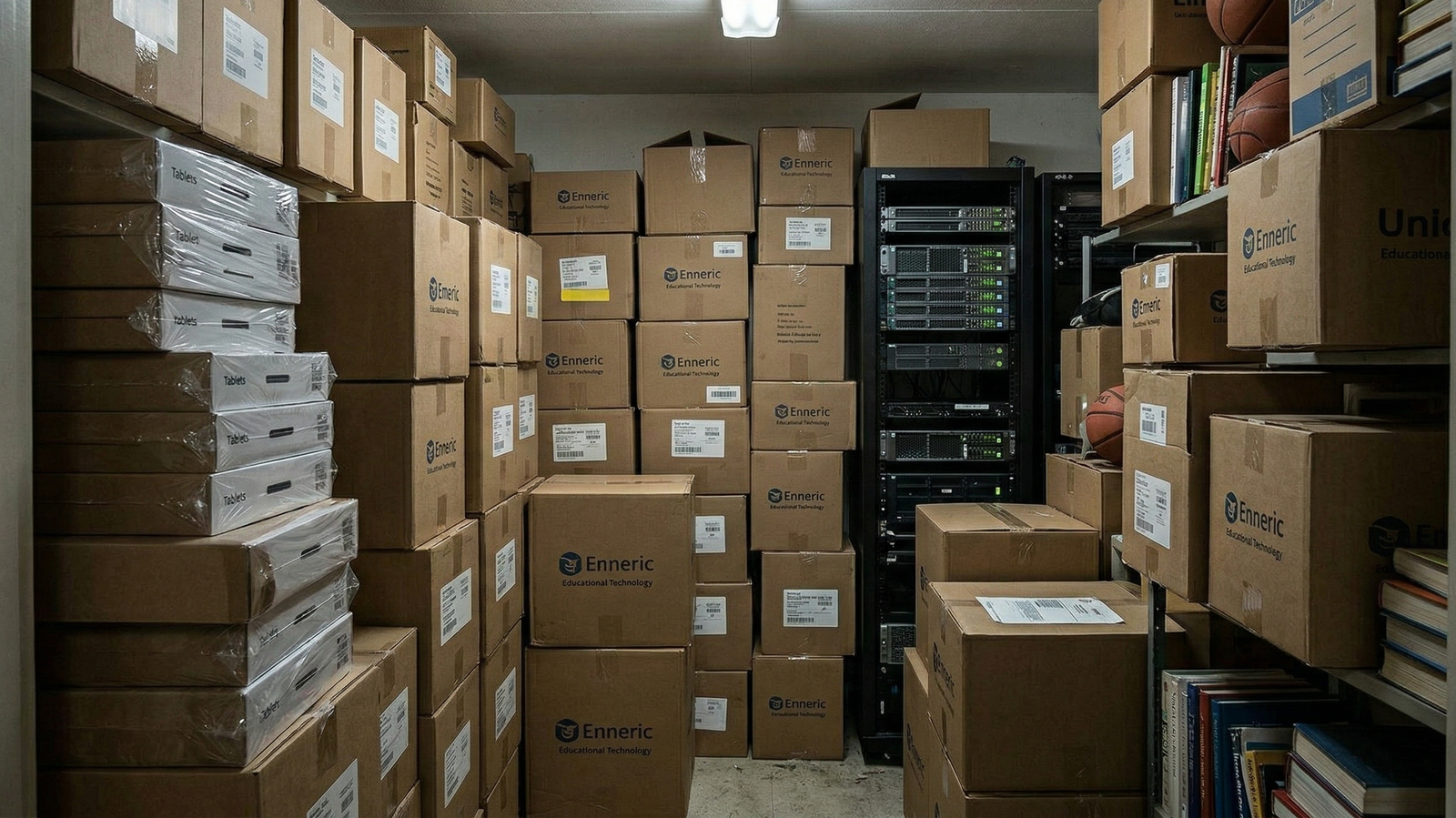
Few chapters in American education spending are as expensive or as instructive as the technology boom. Devices sat in storage rooms. Platforms went unused after the initial training. Curriculum software collected student data with extraordinary precision while producing no measurable improvement in what those students actually learned. The vendors renewed their contracts. The gap remained.
The Pandemic Erased Years of Progress in Months
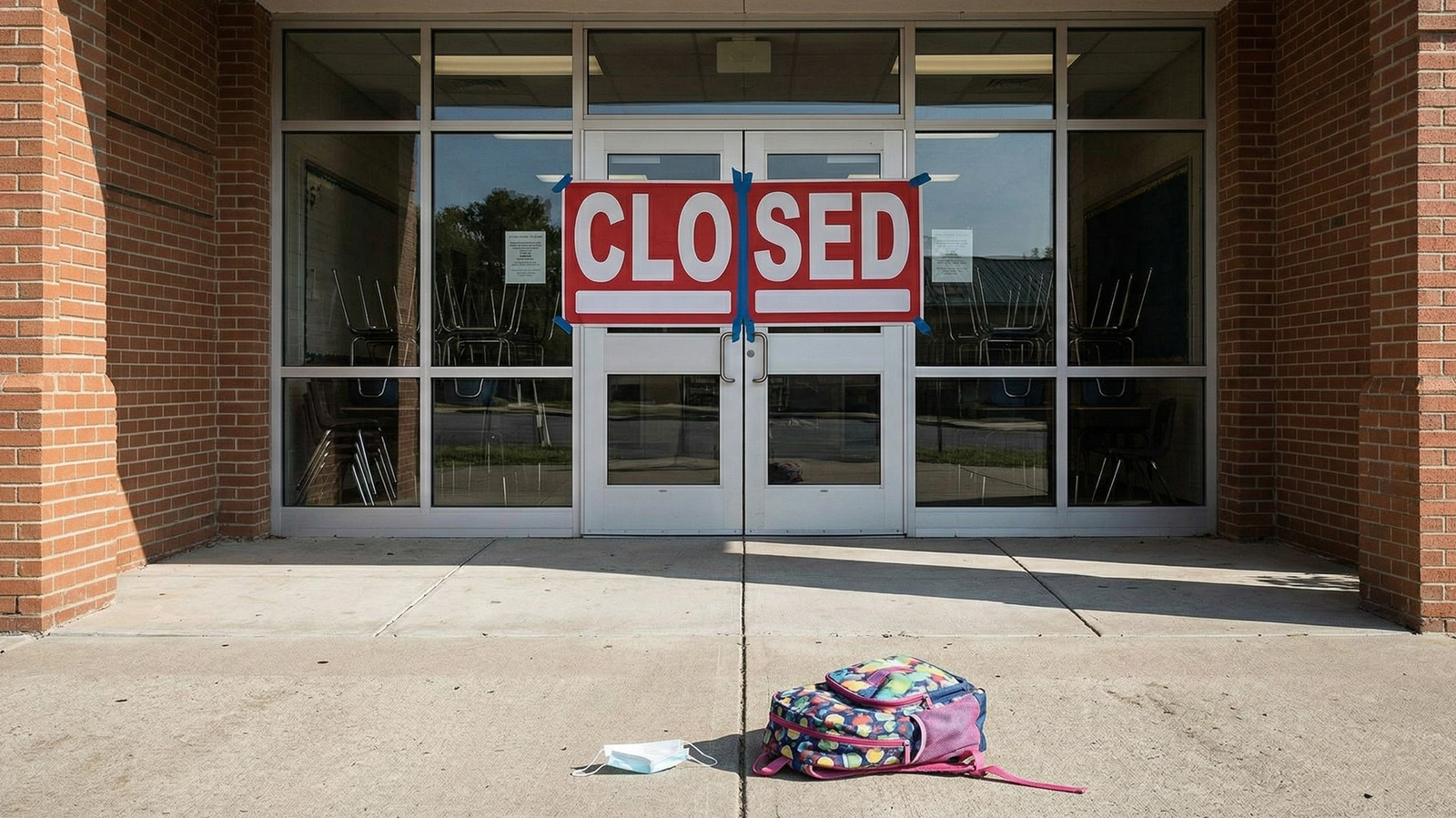
When COVID-19 closed schools in March 2020, America made pivotal decisions that shaped a generation’s education. Remote learning highlighted longstanding inequalities: unstable home lives, lack of internet, and caregivers unable to supervise. Test scores, which took fifteen years to improve, plummeted in two years. Those who fell behind were predictably the ones who had always struggled the most.
Chronic Absenteeism Became the New Normal Nobody Talks About
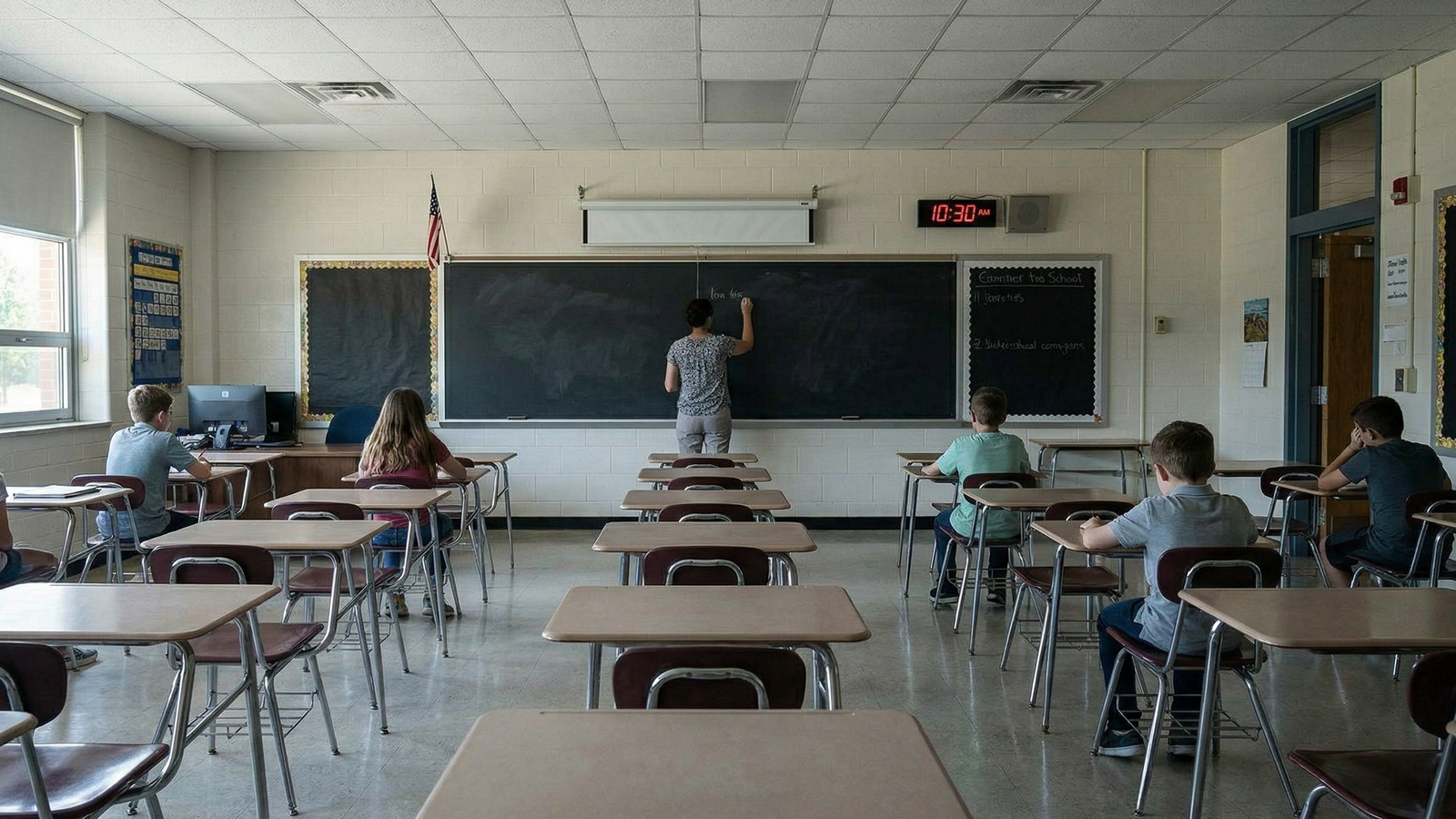
Before the pandemic, chronic absenteeism-missing ten percent or more of the school year-affected about one in six American students. By 2023, this figure nearly doubled, with some urban districts seeing nearly a third of students missing enough school to fall behind. What’s most striking is the response: chronic absenteeism is no longer treated as a crisis but accepted as the new norm. The alarm stopped ringing because everyone became accustomed to the noise.
The Administrator Class Grew While the Teaching Class Struggled
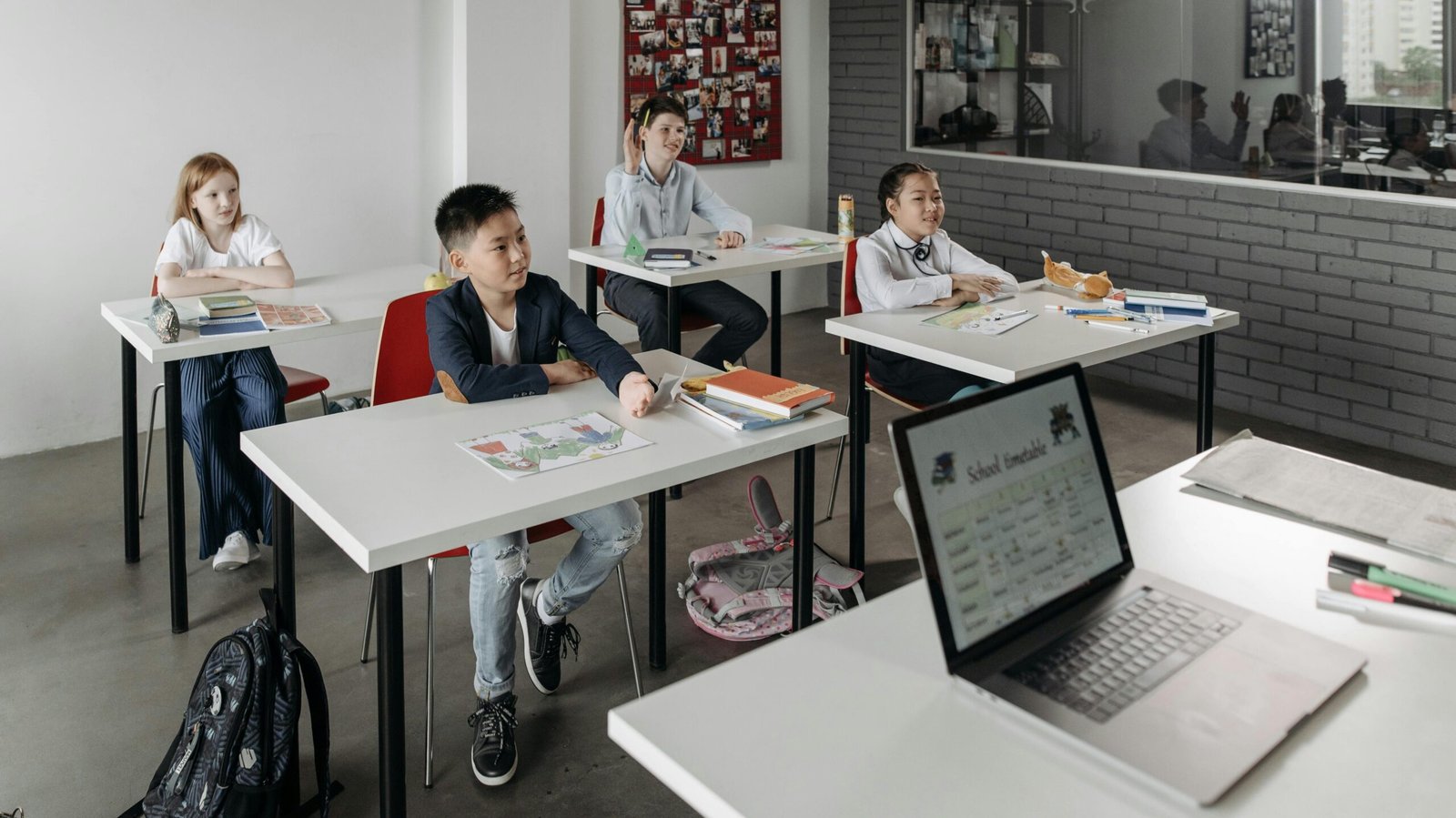
One of the least examined stories in American education spending is where, exactly, the money went when it did not go into classrooms. Between 1950 and today, the number of students in American public schools roughly doubled. The number of teachers grew by a similar margin. But the number of administrators and other non-teaching staff grew by nearly sevenfold. Coordinators, compliance officers, directors of initiatives, and vice principals of vice principals, a vast bureaucratic infrastructure built to manage a system that, by most measures, was producing worse outcomes the more it was managed.
The Kids Who Needed the Most Got the Least
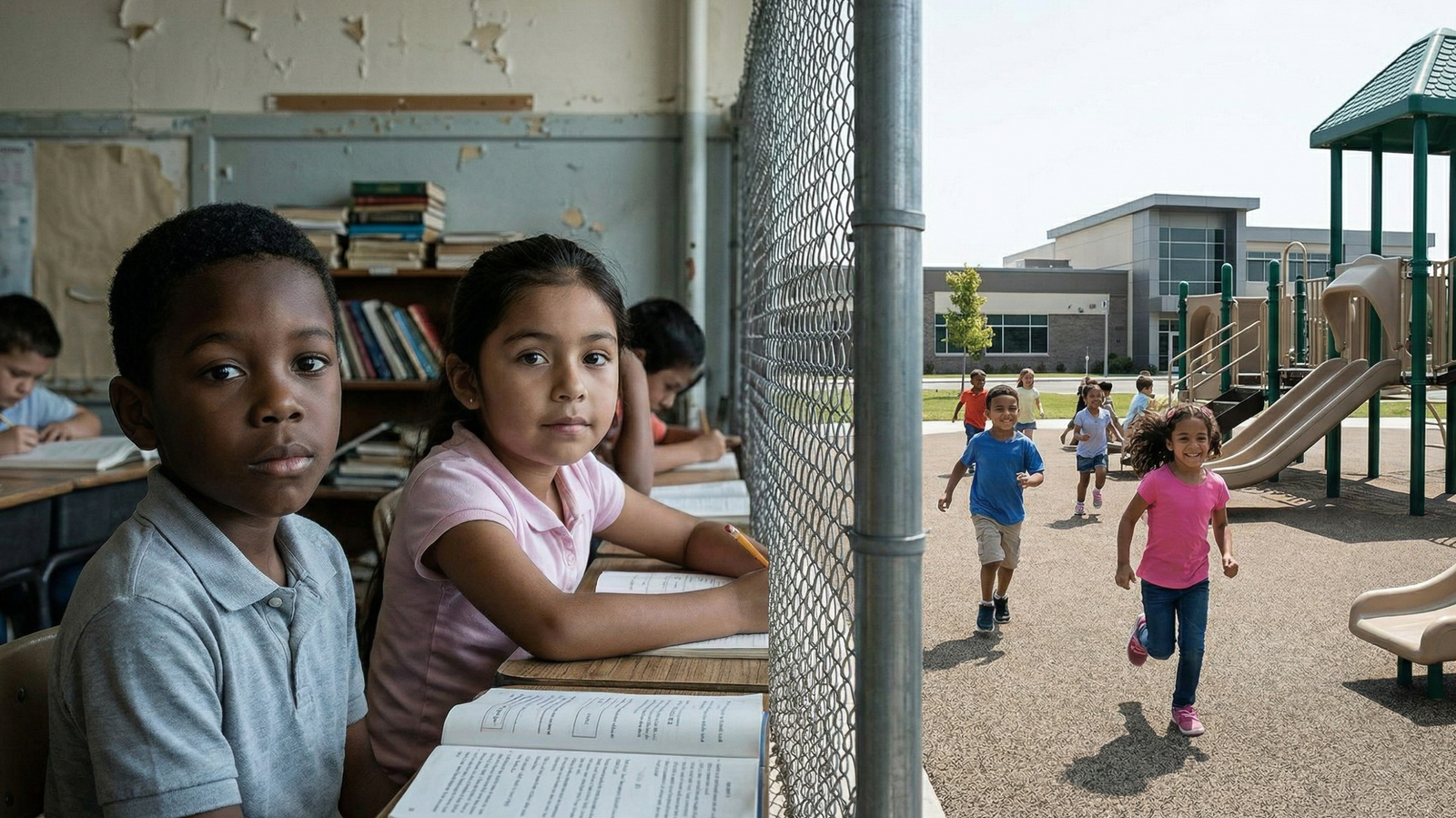
Run every line of data on American public education long enough and it converges on the same point. The students who most needed excellent teachers got the least experienced ones. The schools serving the poorest communities received, in many states, less funding per pupil than the schools serving wealthy suburbs a consequence of a property-tax-based funding model that was inequitable by design and has remained so by inertia. The achievement gap between low-income students and their wealthier peers did not close during the great spending expansion. In some measures, it widened. America did not fail its school system. It failed the specific children its school system was supposed to serve and it spent an extraordinary amount of money doing it.
