
The financial obligations that arise from managing the assets of a deceased person can create difficulties for people who must handle these matters. Credit cards have unsecured debt characteristics because their repayment requirements do not depend on any specific tangible belongings. The debt does not disappear because of this fact. All accounts require a designated legal procedure which must be followed to achieve resolution.
The Debt Becomes the Responsibility of the Estate

People create an estate at their death which includes all of their possessions and financial resources. The debt from credit cards does not become the responsibility of children or spouse members just because someone has died. The executor who manages the estate must use the deceased person’s assets to settle the credit card debt obligations.
Authorized Users Are Not Responsible

Authorized users of a credit card who have their own card but lack primary account holder status do not bear any financial responsibility. Users must stop all card usage because continuing charges after the holder’s death will result in fraud suspicion.
Joint Account Holders Are Responsible

An authorized user status creates an entirely different set of obligations when compared to a joint account holder status. The joint owner who signed the original paperwork takes on full responsibility for the entire balance. The credit card company will hold you accountable for payments even though your partner did all the spending.
The Strategy of “Community Property” States

The legal system in California, Texas and Arizona permits different rules from other states. These “community property states” assign responsibility for marital debts to surviving spouses who were not account holders on the particular credit card used during their marriage.
Stopping Automatic Payments is Critical

The bank account balance should not be frozen until the executor completes their list of recurring payments. The estate will suffer financial loss as unpaid bills from the account continue to accumulate debt and late fees until the account reaches termination.
Interest Continues to Accrue

Interest charges continue after a person’s death. The credit card company will charge interest and late fees until they receive official account closure notification from the account holder. Account holders need to notify the bank immediately to begin the account freezing process.
Credit Card Companies Are Notified by Social Security

The Social Security Administration informs credit bureaus about deceased individuals through their death reporting system which requires multiple steps. Families need to give death certificate copies to credit bureaus so they can stop identity thieves from opening new accounts using their deceased family member’s identity.
The Order of Payment Matters

The probate process establishes a sequence for determining who must receive payment first. Credit card companies receive payment after funeral expenses and taxes and legal fees have been settled. The credit card company must accept debt cancellation when insufficient funds remain to pay priority expenses.
Insolvent Estates Can Wipe Out Debt
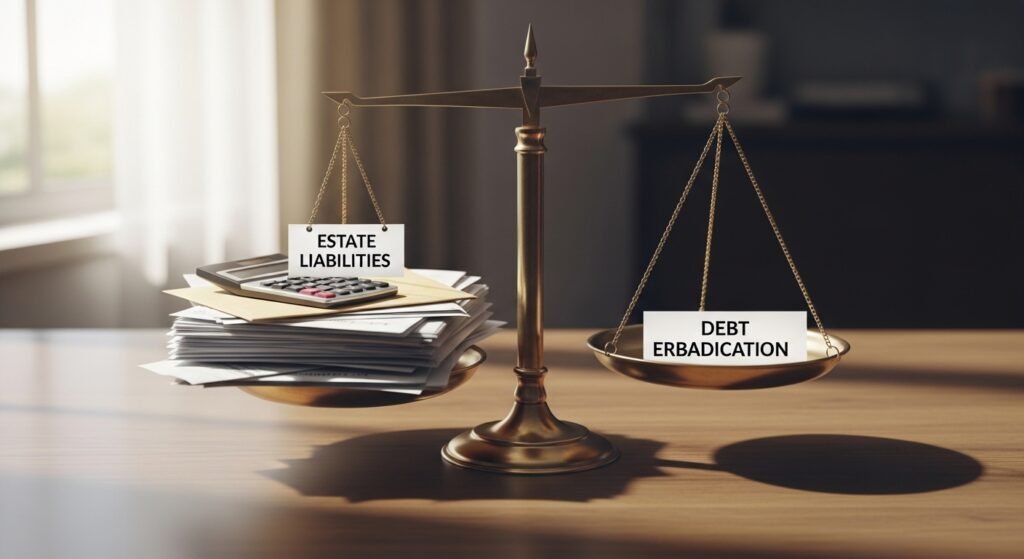
The credit card company loses all rights to payment when the deceased person owned more debts than assets. Family members face no legal obligation to repay the debt because the law prevents debt collection from extending to them. All obligations end with the estate closing.
Debt Collectors May Still Call

Debt collectors continue to contact family members to establish whether they will pay debts even though these relatives do not hold any financial obligations. You must understand your rights because no one can force you to spend your personal funds on a deceased person’s credit card bill unless you signed as a joint account holder.
