
The new startups in the electric vehicle (EV) sector have become a significant aspect in the worldwide transition to cleaner vehicles. Most of these companies assure innovation, sustainability and reduced cost of operations to the consumers. Nevertheless, even with the increase in the awareness of climate change and the support of governments in various places, EV startups still have significant challenges. High prices, poor infrastructure, and many other reasons restrict their capability of accessing the mass market and competing against existing car brands.
Anxiety about the range of products among consumers
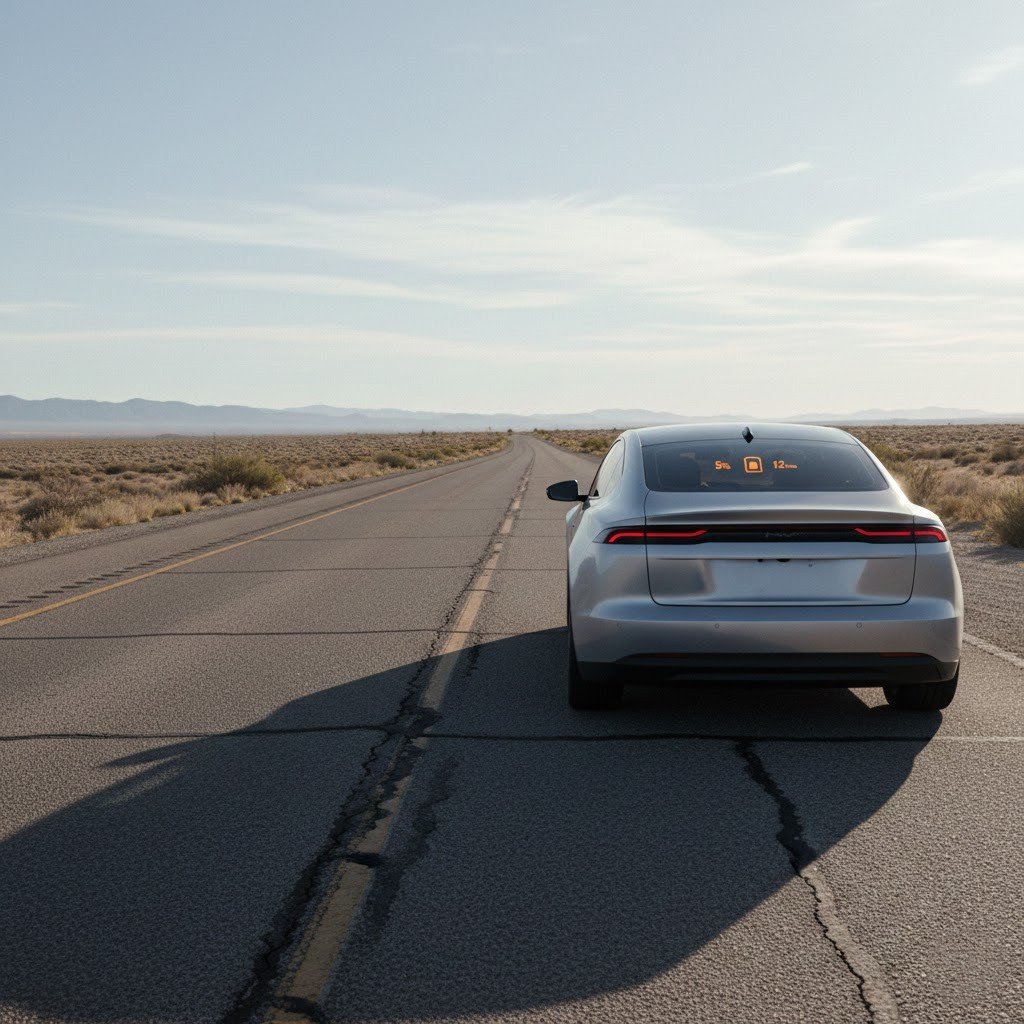
Certainly, the major anxiety is the fear among people of electric vehicles not being able to travel long distances. Although technology has advanced, this issue still shapes purchasing habits. To break these long-held suspicions, EV startups need to create a large battery efficiency and consumer education to address their concerns.
High Initial Vehicle Costs
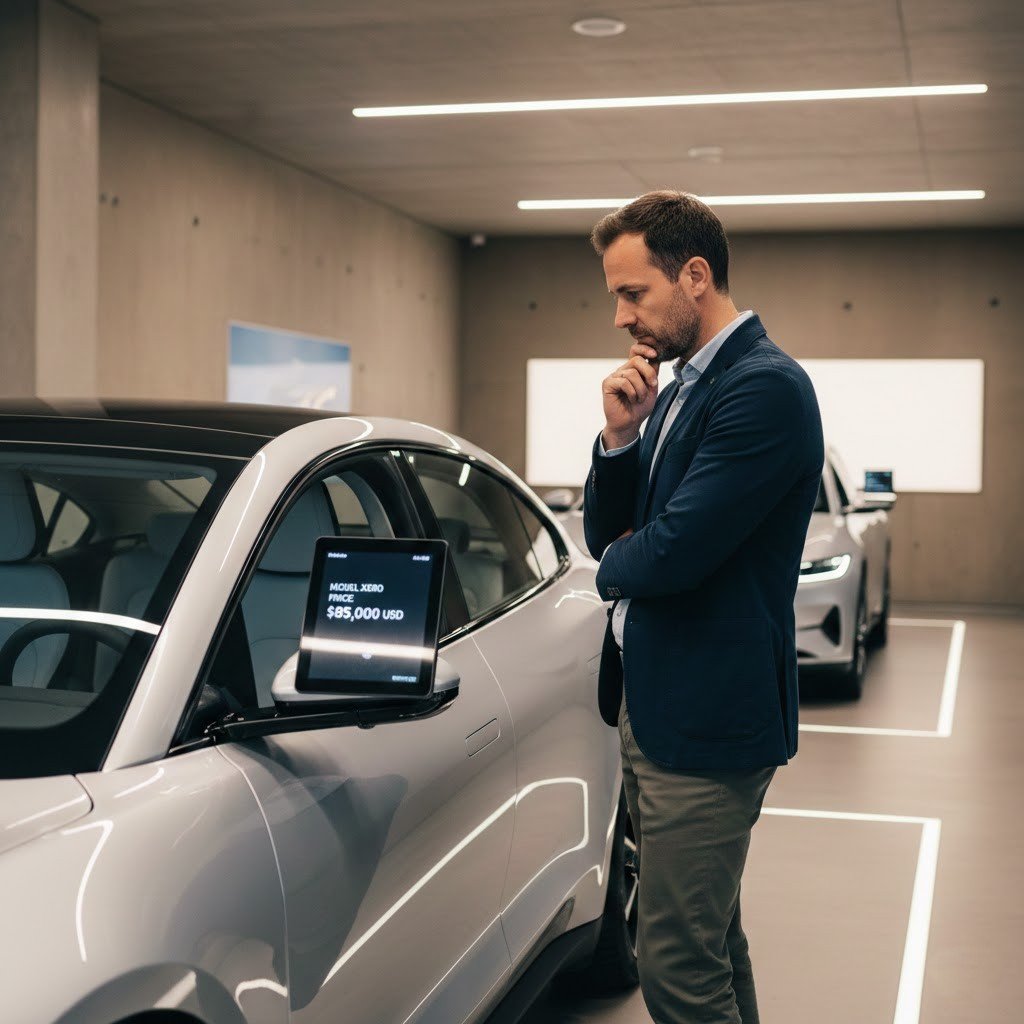
The high initial cost of EVs is one of the primary barriers facing startups of electric vehicles. The technologies of advanced batteries, the cost of research, and the inability to produce on a large scale tend to be priced high as compared with conventional vehicles powered by fuels. So, it’s better for everyone to know about the vehicle costs and then go ahead to make the right decision.
Good Competition among the well-established automakers
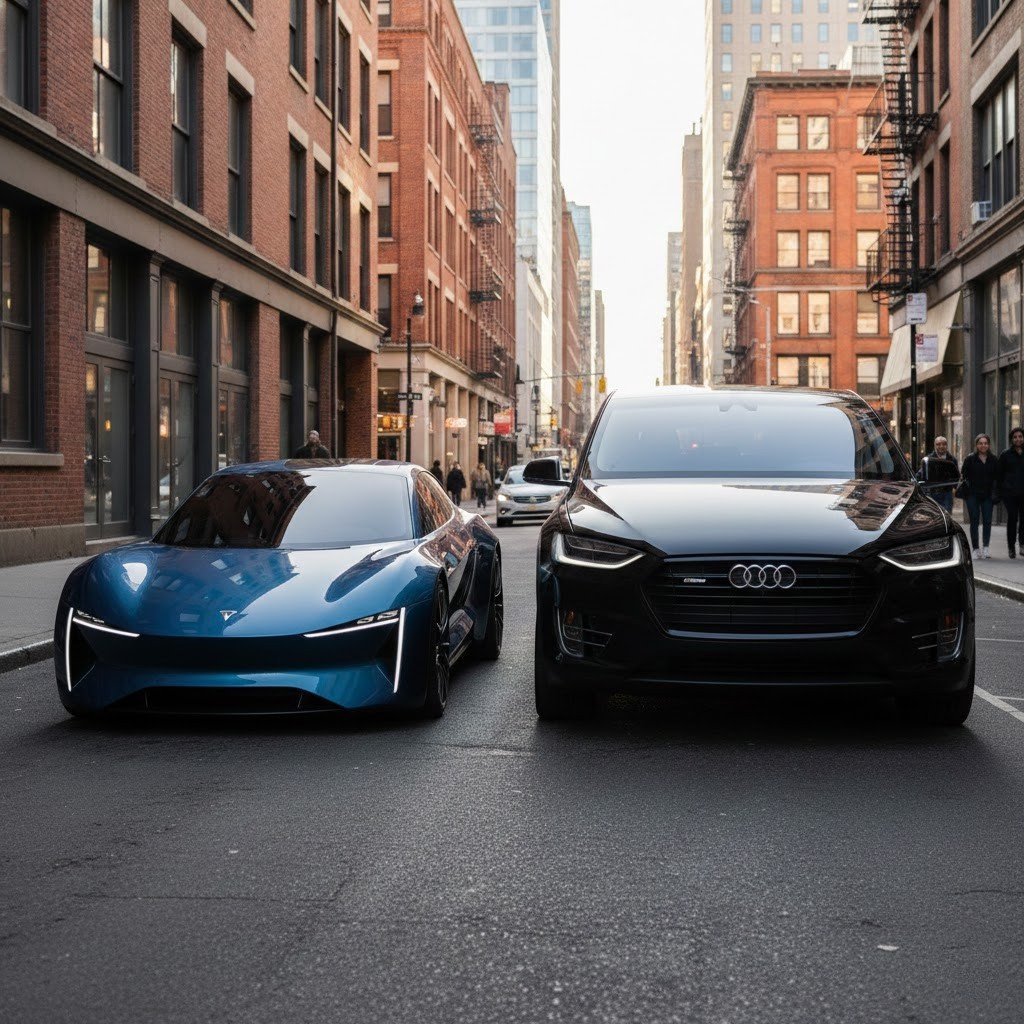
The conventional motor vehicle producers have penetrated the EV market with substantial financial capabilities, reputable brands, and an international supply chain. Such companies are able to manufacture electric cars in large quantities and provide competitive prices. This is a benefit that EV startups usually find it hard to compete with. It can be difficult to win the trust and market share of new companies because new companies may be viewed as more reliable and supported by the after-sales service.
Absence of Customer research and confidence
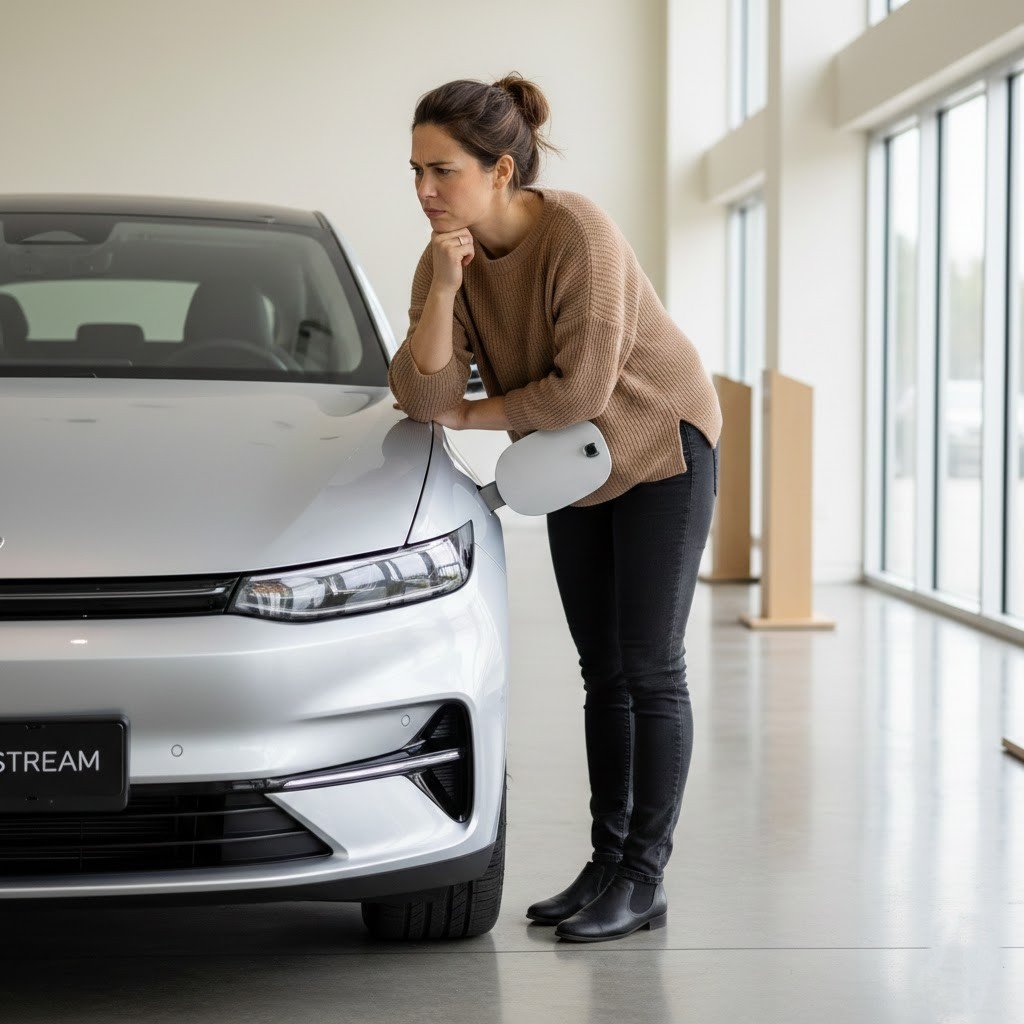
Other EV brands newer than the established ones are not known by many consumers and are doubted about their stability. Fears over the life span of vehicles, the cost of replacement of batteries and access to services influence the buying choices. EV startups do not always have substantial marketing budgets and countrywide networks of services. Developing trust is a process, and as long as there are no effective performance records, consumers are worried about leaving the old systems.
Difficulties in increasing Production
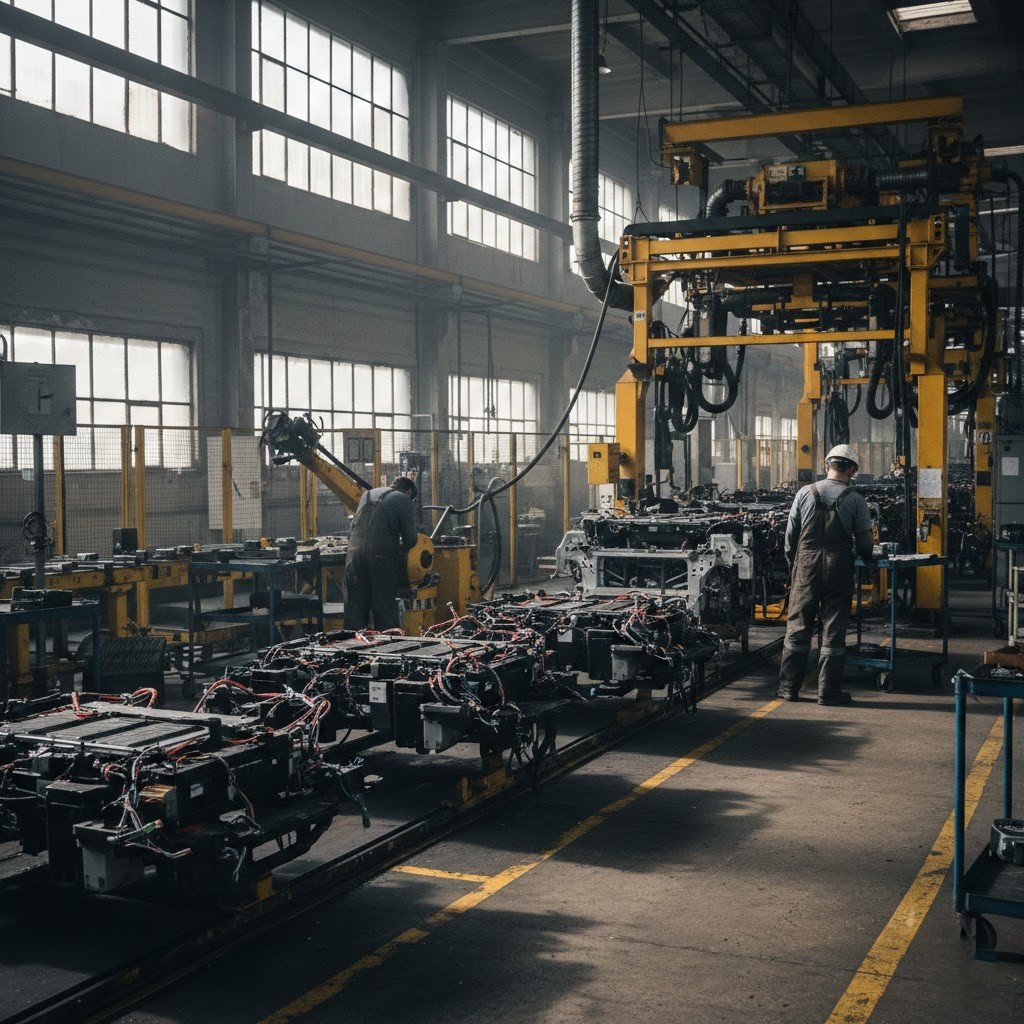
Going big on production to mass manufacturing is a significant challenge among EV startups. The establishment of factories, recruitment of skilled workers and quality maintenance is an expensive enterprise. Failure to scale in time may result in lost opportunities in the market. In the absence of effective production systems, startups will not be able to fulfil the increasing demand and compete with firms that are already functioning on an industrial level.
Service and maintenance problems post-sale
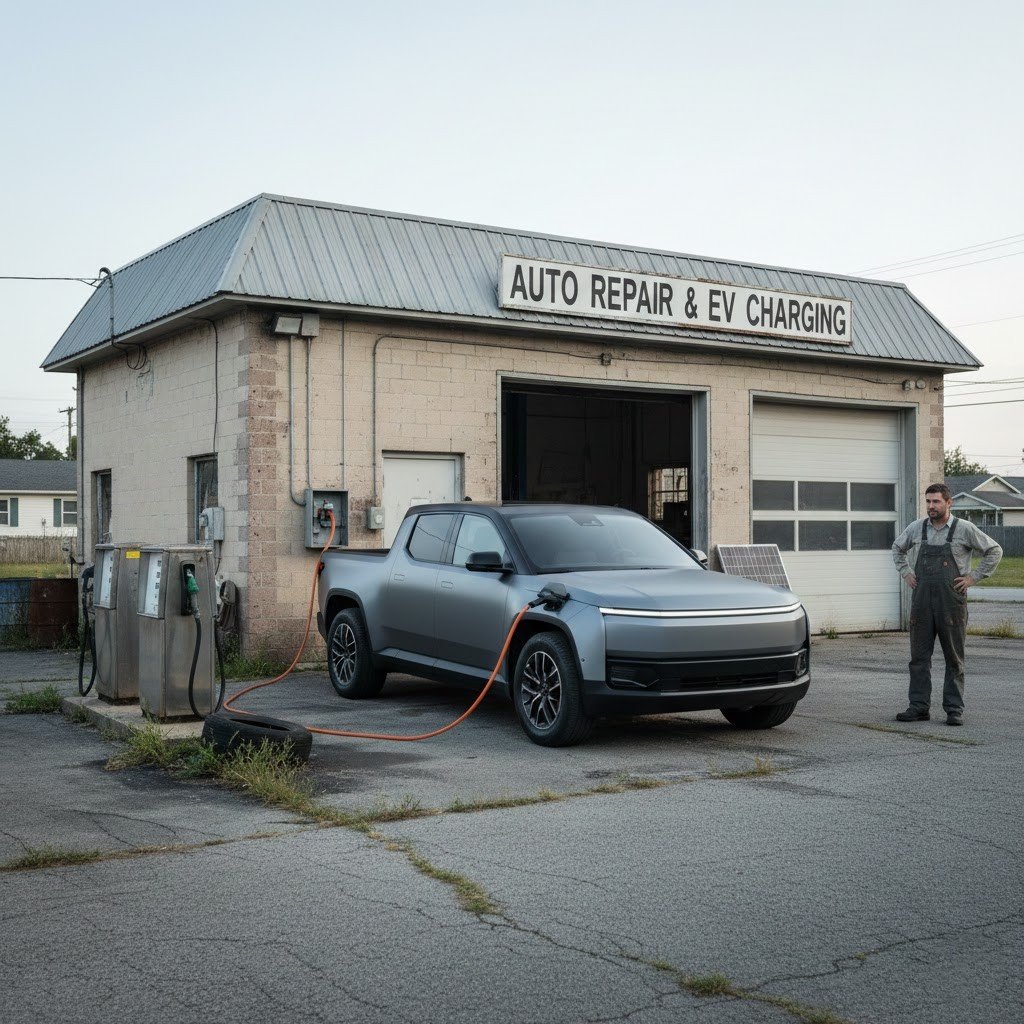
Customer satisfaction depends on reliable after-sales service. Numerous EV newcomers do not have a large number of service centres and qualified specialists. This leaves buyers with concerns regarding maintenance, spares and maintenance in the long run. The traditional automakers have established good networks of service and have a great advantage over them. Adoption could keep the interest level low, even with the growing interest in electric mobility, until startups enhance service accessibility.
