
Years go by while learners tackle math, science, or stories – still, plenty finish school clueless about money. Paychecks, debt, tax forms, setting cash aside, growing wealth – daily hurdles most face alone because lessons skip them. Out they step into adulthood, tangled in confusion, missing basic tools. Handling finances isn’t number crunching only – it shapes choices that steer lives. Kids might learn better money skills when lessons start young – so fewer errors happen down the road. Because classrooms include finance basics, future adults may feel steadier handling their own budgets. Growing up with clear examples leaves people less overwhelmed by bills or debt.
Real-Life Money Skills

Life hands out challenges no test can measure. Yet knowing where every dollar goes builds confidence when paychecks arrive. Suddenly, choosing needs over wants feels less like guessing.
What Money Means

Money starts making sense when kids see where it comes from. Because they grasp the work tied to earning, choices around buying shift slowly. Instead of grabbing things fast, thought creeps into decisions – quietly shaping habits that stick.
Avoiding Debt Traps

Folks fresh out of their teens often land in money trouble – clueless about how interest piles up, what credit cards really mean, or how loans trap you. Schools stepping in with clear lessons might let kids see danger ahead, shaping smarter choices when borrowing comes knocking later on.
Encouraging Early Saving

A fresh start with cash habits often sticks if it begins young. Learning how banks hold money safely, setting aside for surprises, or thinking far ahead shapes choices later on.
Building Responsible Consumers

Knowing how money works makes young people more careful buyers. Because they understand costs, weigh options carefully, yet spot persuasive tactics easily .
Planning Ahead for Grown-Up Living
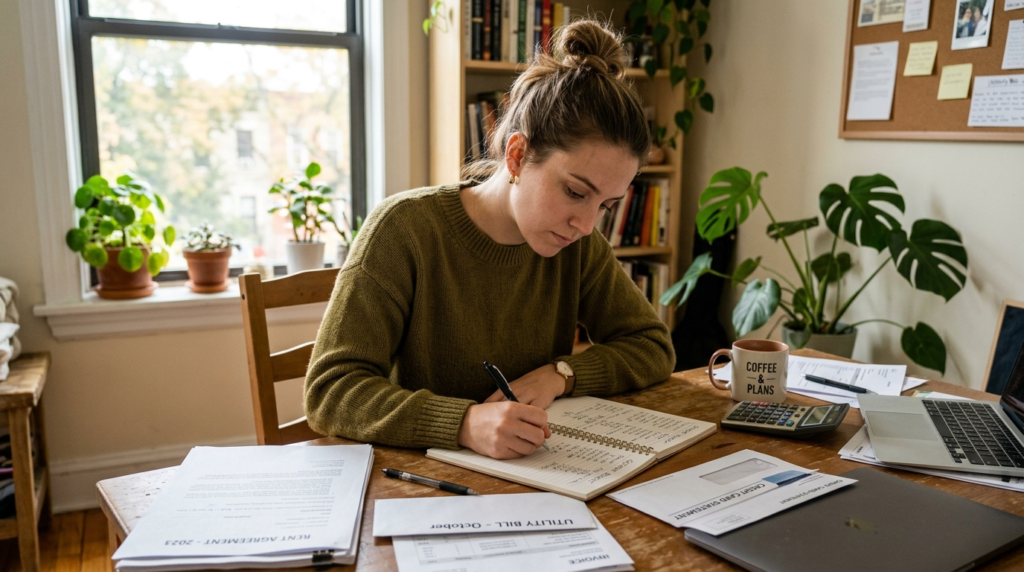
Out of college, life hits hard with rent due next week, utilities piling up, tax forms that make little sense. Learning about money while still in class helps – knowing what to do when those envelopes arrive stamped urgently.
Supporting Entrepreneurship

One day, plenty of young learners hope to run their own companies. Knowing how money moves – like tracking expenses, growing returns, handling capital, plus mapping out future spending – builds a base that helps bring concepts to life over time.
Reducing Financial Stress

Facing money troubles often weighs heavily on grown-ups. When young learners get guidance early, they gain tools to think ahead – skipping traps others fall into later.
Promoting Long-Term Thinking

Waiting pays off when money smarts grow over time. Grasping ideas such as putting cash aside for later life shifts focus away from quick buys.
Building Awareness Around Money in Everyday Life

Picture kids learning money basics in class – suddenly, it’s not just about grades. One lesson at a time, whole neighborhoods start feeling steadier. Think of teens who budget, save, plan; their choices ripple outward.
