
The concept of a brain chip that allows you to acquire book content within seconds belongs to science fiction yet exists as an impractical scientific objective because of the human brain’s biological limitations. Companies such as Neuralink develop medical recovery technologies yet their work on “speed-reading” implants represents a major misunderstanding of human information processing.
The “Input vs. Understanding” Bottleneck

A chip can beam data into your brain at lightning speed, but your prefrontal cortex still has to “read” it. A neural implant cannot enable faster brain performance because it requires users to reach their cognitive capacity for advanced comprehension.
The “Flashcards” Reality
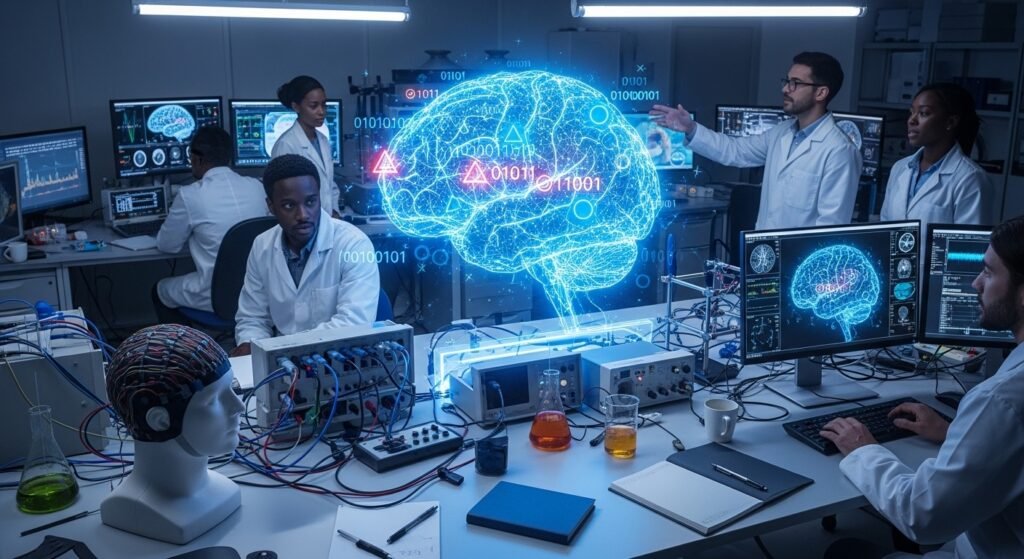
Current studies, which include research on rat memory stimulation, demonstrate our ability to transfer fundamental binary signals and basic memory associations. The study materials approach the basic common understanding found in Shakespearean performances and physics textbooks yet the study materials lack the necessary details.
Visual Cortex Overload

An implant that switched your eye function would send text straight to your visual cortex, which would cause your brain to see it as an intense light flash or a seizure. Actual tests with visual devices for blind people demonstrate that their brains struggle to decode even basic light patterns known as phosphenes.
The “Search Engine” Confusion

People think they know information when they access it. An implant lets you mentally search for information, but reading requires physical access to knowledge. The difference between a portable digital library and permanent knowledge retention through long-term memory storage exists.
Synaptic Pruning and Wiring

Learning requires the permanent alteration of neuron connections through physical changes. The process requires three elements: time and sleep and consistent practice. An implant cannot instantly “wire” the complex neural pathways that form when a person spends years studying a language or a craft.
The Language Translation Barrier
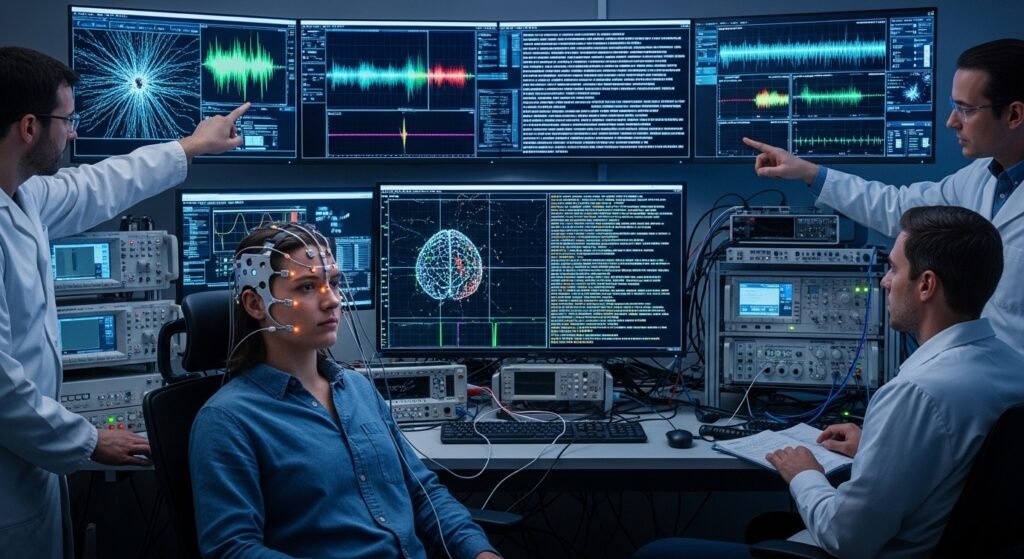
Neural implants currently focus on motor controls—moving a cursor with your mind. They lack the ability to express abstract concepts through spoken language. We lack a “neural code” which enables chips to translate words into your conscious awareness.
Cognitive Fatigue and “Brain Burn”

Processing information at 10x speed would require immense metabolic energy. Your brain would face extreme fatigue and headaches which lead to “mental burnout” because of the artificial data surge, similar to how your laptop fan spins faster during video processing.
The Loss of “Contextual Nuance”

Reading requires more than vision because readers must experience the story’s tone and hidden meanings. Science shows that “speed-reading” leads to high “skimming” rates, which cause readers to lose both emotional connection and essential elements of the text, a problem that no chip can resolve.
The Hardware Longevity Problem
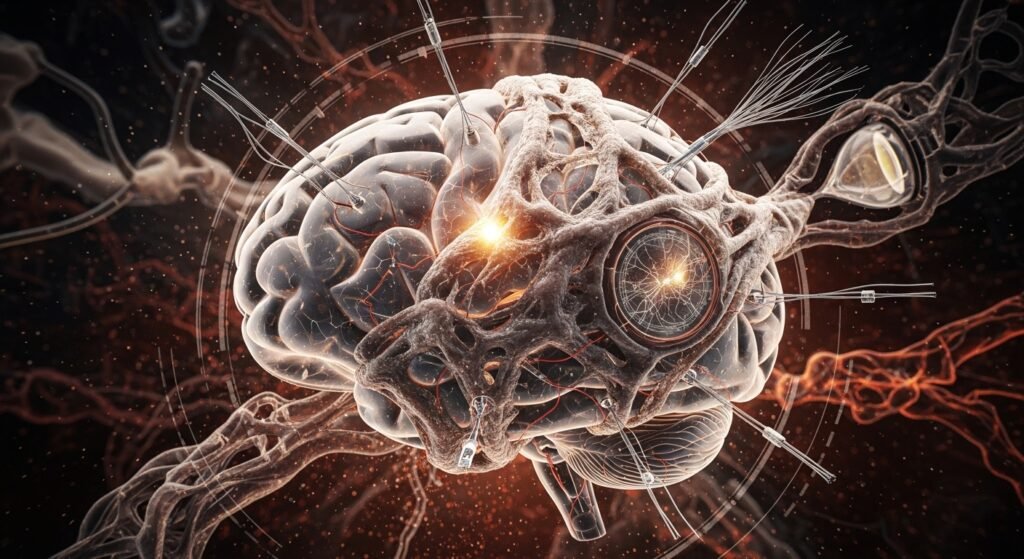
The brain creates a hostile environment for electronics because of its salty and acidic chemical composition. Most neural implants develop a complete “scar tissue” barrier that stops their function within a few months or years after insertion. The existence of a permanent “reading upgrade” system will confront challenges that make it hard to sustain over an entire lifetime.
The Ethics of “Mental Inequality”

Speed-reading chips would establish an extensive social divide between individuals who possess the ability to purchase the upgrade and those who lack this financial capacity. Neuroethicists oppose non-medical brain enhancements because they present a social issue that affects society in real life.
