
The Bitcoin assets of a deceased owner who did not share their private keys transform into a digital “ghost hoard” which remains inaccessible to others. The digital vault locks the coins forever because no central bank exists to unlock the coins. Bitcoin requires users to create a mathematical key which functions as an essential access point to their account unlike regular bank accounts which permit access through any authorized person.
The “Burned” Coin Phenomenon

Lost private keys make Bitcoin become “burned” because users cannot access the currency anymore. The blockchain holds Bitcoin but users cannot transfer or use it. Real-life examples show that thousands of early adopters possess coins worth millions yet their owners must remain password-less because they died without sharing their passwords.
The Gerald Cotten Mystery

The QuadrigaCX exchange founder died in 2018 while allegedly possessing all access keys to the 190 million US dollars which belonged to customers. The case demonstrates how “centralized” storage systems create risk because one individual maintains total control over access to the digital storage vault.
Private Key Inheritance
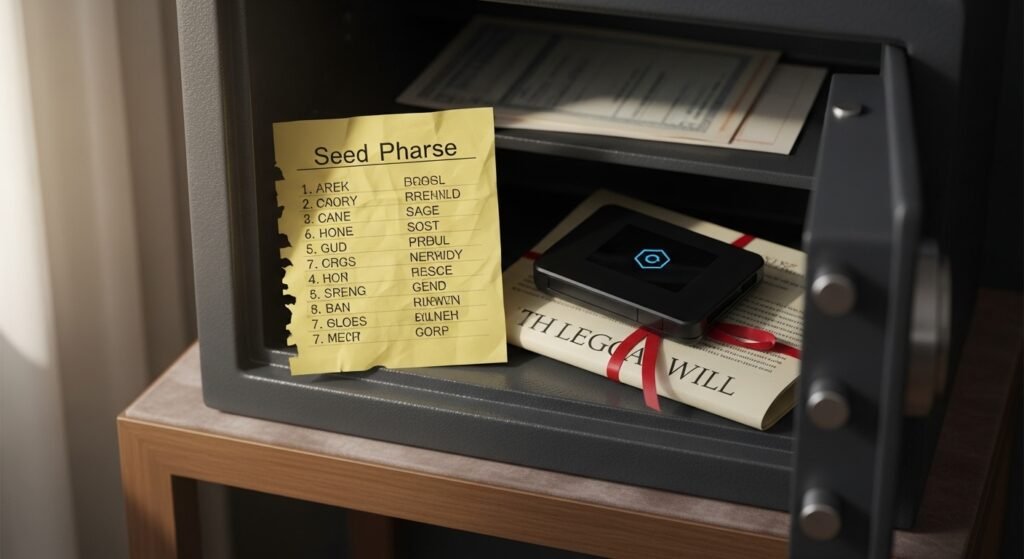
Most savvy investors leave a “seed phrase”—a list of 12 or 24 words—hidden in a safe or a will. The family can use these words to recreate the wallet which allows them to retrieve the funds. The money has become permanently removed from the economy because digital content requires online backup.
Multi-Signature Wallets
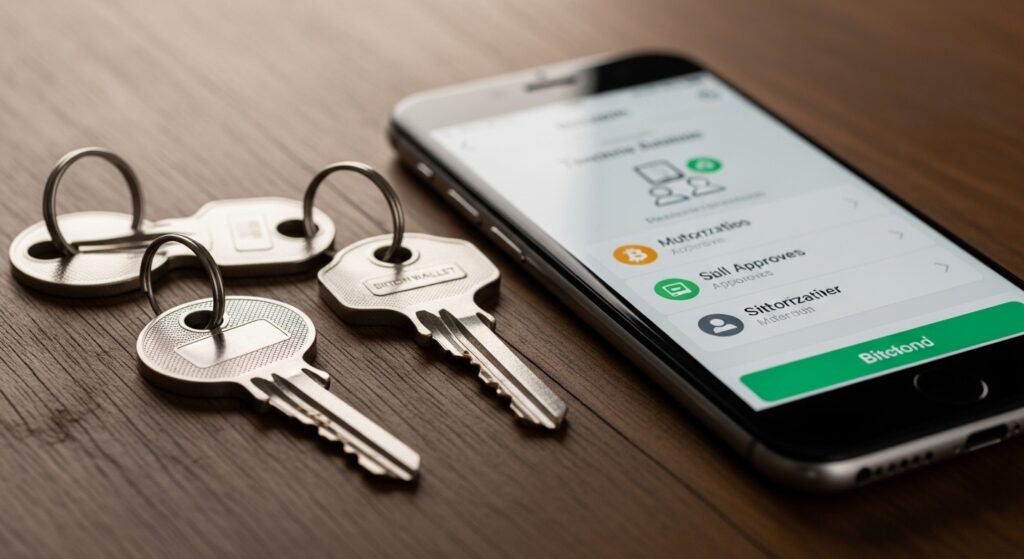
Wealthy owners use “Multi-Sig” setups which need two of three keys to complete any transaction. The owner holds one key while the lawyer possesses another key and the third key resides in the safety deposit box. The setup enables the family to retrieve funds which protects them from unexpected death of the owner.
Dead Man’s Switches
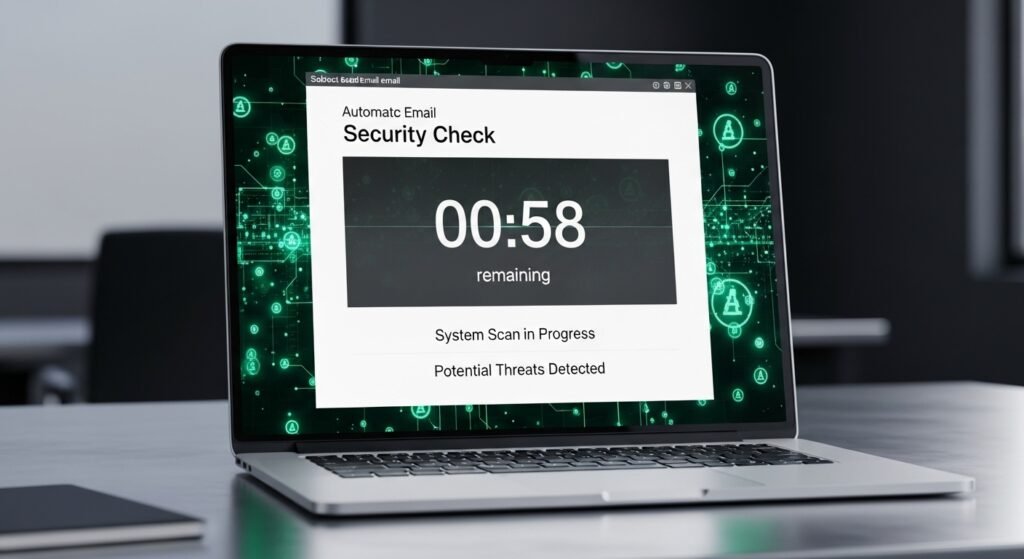
Digital services send emails every few months to check on the recipient’s health status. The system transfers encrypted private keys to the designated heir after the owner fails to click the link within a specified time period which protects Bitcoin from being permanently lost.
Custodial Exchange Recovery

The process to retrieve Bitcoin from exchanges such as Coinbase or Binance mirrors standard banking procedures. The family members need to provide both a death certificate and a court order document to obtain access rights. The system facilitates access for families although it contradicts how crypto assets should function according to “self-sovereignty” principles.
Hardware Wallet Physicality

Many people use USB-like devices which include Ledger and Trezor to store their Bitcoin. The heir can access the device except when they lack the PIN because they have limited chances to guess it which will result in the device erasing all data and blocking further access.
The Impact on Total Supply

Estimates suggest that roughly 20% of all Bitcoin is already lost forever due to death or lost keys. These remaining Bitcoin assets have become more valuable because they exist in limited supply to all current active owners.
Legal Challenges with Wills

The law permits a will to designate Bitcoin recipients yet blockchain technology remains incapable of executing the unlock request. The legal system provides limited methods to recover digital assets when a disappointed heir holds the password yet refuses to share it.
The “Social Recovery” Method

Newer wallets allow owners to nominate “guardians” (trusted friends). The guardians have voting power to create a new key after the owner dies which allows the family to access their assets without needing a master password.
