
The checkout process employs “Round-Up” as a psychological tool which acts as a complete design for its users. The money goes to a non-profit organization but the extra cents process creates advantages which the company uses to enhance its operations without detection by consumers. Through this method companies can demonstrate their charitable activities through customer donations which serve as their principal resource for charitable projects.
Corporate PR Without Cost

The retailers combine all customer spare change from millions of customers into one unified “corporate giving” reporting system. The brand achieves major branding advantages through philanthropy which comes to them without requiring any expenditure from their own profits.
The “Float” Interest Trap

Charities receive micro-donations after they accumulate multiple weeks of collection time. The business holds the money in its bank account because it can gain interest from the active “float” of multi-million dollar assets which it continues to possess.
Marketing Budget Subsidies

The totals generated become the main focus for “feel-good” advertising campaigns. The company uses your spare change to fund its marketing operations because they obtain free material and “check-presentation” images which develop brand loyalty without creating expenses for shareholders.
Third-Party Software Commissions

Outside technology companies handle the operations of the “round-up” button. The providers bill retailers through two methods which include a standard charge and a commission fee based on each “yes” button press thus causing part of the combined change to go to technological firms.
Delayed Grant Distribution

Retail partnerships follow a “grant cycle” system which limits cash distribution to two periods throughout the whole year. The company uses this delay to maintain additional liquid assets on their balance sheet as they show it to others as “liability” while the charity continues its wait for funds.
Consumer Data Harvesting

The retailer gains a new data point through your click of “yes” which you provided for their loyalty program. The store uses your “charitable spender” tag to create a psychological profile of your shopping patterns which they use to deliver promotional materials that cost you more money than their regular deals.
Foundation Handling Fees

Retailers first distribute round-up funds to their private “Company Foundation” which they control. The system establishes extra bureaucratic procedures which enable internal staff expenses to be covered through fund usage before any remaining amount is distributed.
Displacing Local Giving
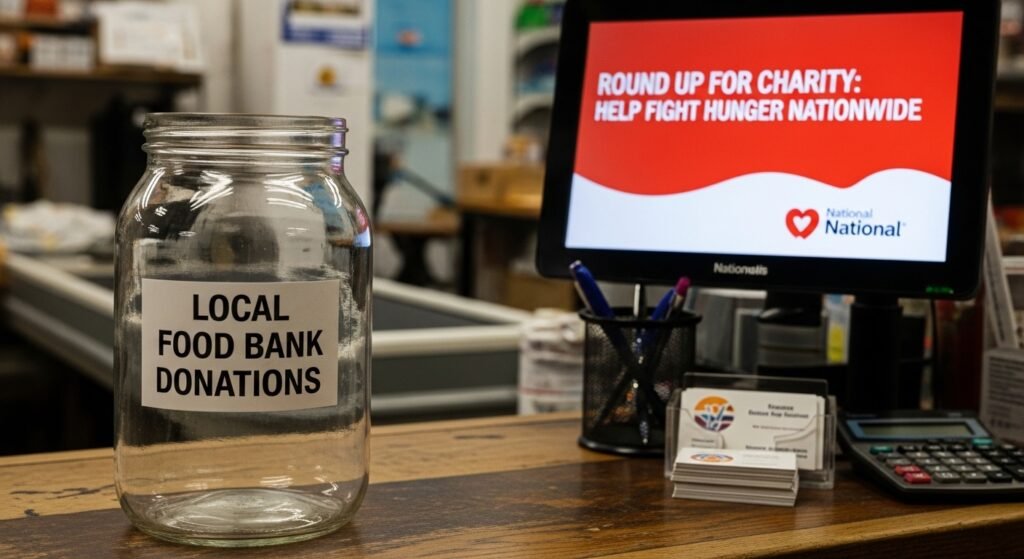
Round-up programs almost exclusively partner with giant, national-level charities. The system diverts small monetary contributions from local food banks and shelters which depended on physical donation jars to support massive organizations.
Psychological Nudge Pressure

The retailers create “choice architecture” to force people into social discomfort when they want to decline donations during public occasions. The retailer uses this pressure to guarantee that the charity receives a constant stream of funding which becomes essential for their survival.
Accounting for Voided Cents
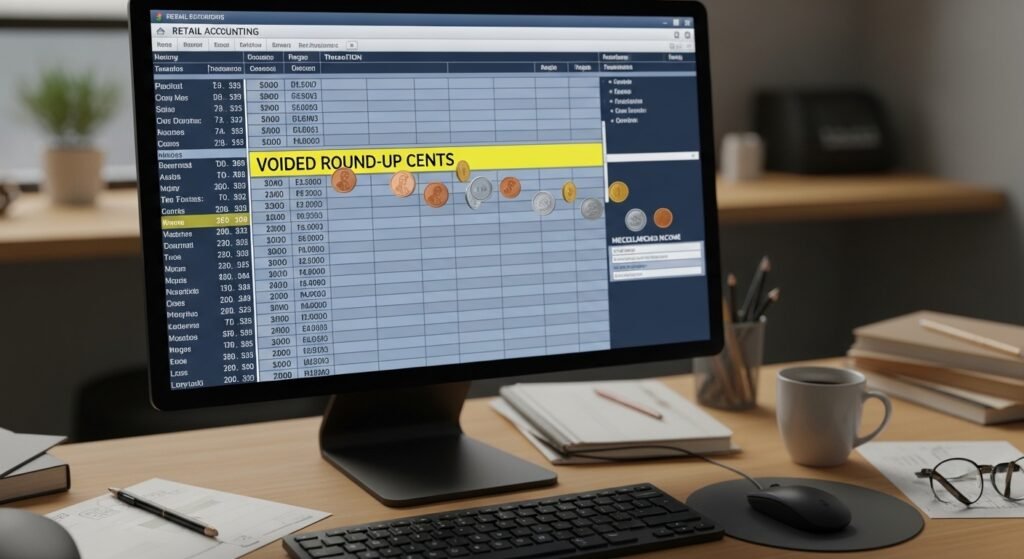
The retail system detects orphaned cents when a round-up transaction gets voided after its completion. The digital change fragments can become miscellaneous income for the store unless they undergo strict auditing procedures.
