
The most successful business leaders aren’t just looking at what is popular today; they are trying to predict where the world will be in five to ten years. Through their research on founder behavior and their expectations for future development, they have successfully predicted how startups will evolve in the upcoming years. The business world has moved away from its previous strategy of unlimited expansion to concentrate on achieving operational efficiency, together with developing specialized expertise and creating solutions for actual problems.
The Emergence of the “One-Person Unicorn”

With AI handling coding, marketing, and customer service, founders predict we will soon see “unicorns” (companies worth a billion dollars) run by very small teams or even a single person. Technology now enables individuals to produce the same output which previously required a workforce of hundreds.
A Return to “Hard Tech”
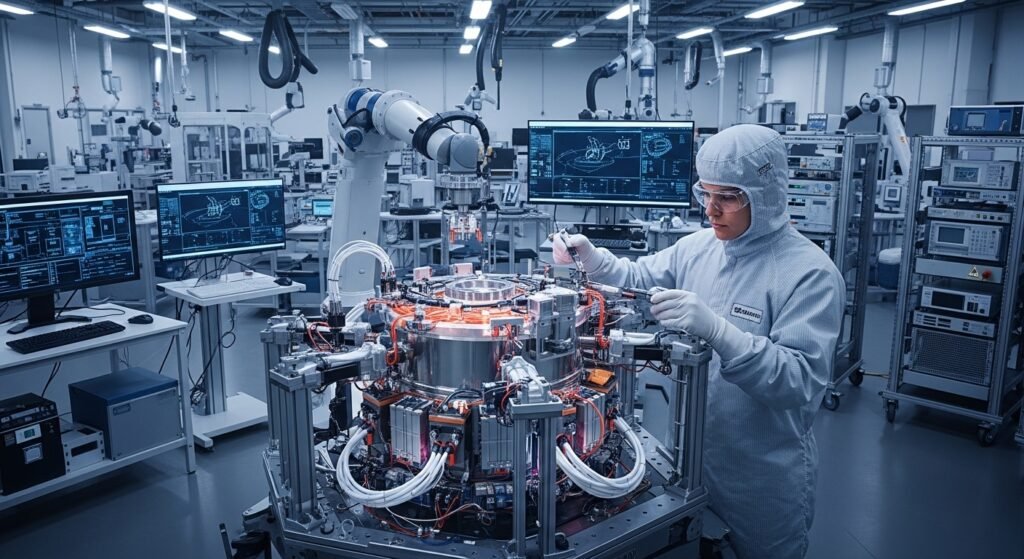
For years, startups focused mostly on apps and software. The founders have now shifted their attention to “Hard Tech,” which involves creating solutions for actual physical difficulties that include clean energy, space travel, and advanced manufacturing. The business world has identified the need to solve physical challenges in the real world because this solution provides a stronger competitive advantage than developing another social media application.
The “Death” of the Traditional Office

Top founders are moving away from the “hub and spoke” model of a central headquarters. The company has created an international workforce that can work from anywhere while using documented tasks for communication instead of spending time in endless meetings. The company can choose from any available employee because it needs to hire top performers.
Focusing on “Unit Economics” Early

Startups used to prioritize acquiring users before developing monetization strategies, which created financial issues for them. Founders today operate their businesses through “unit economics,” which enables them to achieve profitability after serving their first customer. The strategy helps businesses become more adaptable when economic conditions change.
AI as a Co-Founder, Not Just a Tool

AI has become a fundamental part of enterprise operations for founders. The organization uses the platform to develop new ideas, generate legal agreements, and perform data analysis. The human founders on the team can dedicate more time to strategic planning and relationship management while they reduce their involvement in operational tasks.
The Importance of “Niche” Communities

The internet has become more crowded, but founders succeed by concentrating on small communities that have dedicated members. The company focuses its product development on specific groups who have been excluded by major technology companies, such as “hobbyist gardeners” and “independent truck drivers.”
Health-Tech Moving into the Home

The healthcare system is evolving from hospital environments to home environments. Founders create devices that people can wear and home testing kits to help them track their health status at all times, which enables them to stop health problems before they reach critical stages.
Resilience Over Speed

The new mantra for founders is “sustainable speed.” The organization discovered that excessive growth leads to negative consequences for a company’s cultural values and its organizational framework. The company aims to establish a “resilient” organization that can operate for multiple decades, instead of creating a business that collapses after achieving quick success.
Ethical AI and Data Privacy

Top founders know that trust is the most important currency. The startup founders established their business to use data privacy protections together with ethical AI practices as their main operational framework because they wanted to protect customer information through secure handling practices.
