
One does not need complicated schemes and professional experience to establish good financial stability. The simple and regular habits tend to produce the most effect long-term. To get a better financial experience, one needs to focus on saving minor everyday as it results in less stress and saves more. All these practices are real financial approaches that require awareness, planning, and discipline. It will shift users towards a safe and healthy future in their long run.
Track Your Monthly Expenses

Good financial management is based on tracking monthly expenses. It makes you know what happens to your money and where you spend your money on things that you do not need. Additionally, you can decide on cash flow and make better decisions by reviewing the expenses on a regular basis.
Build an Emergency Fund
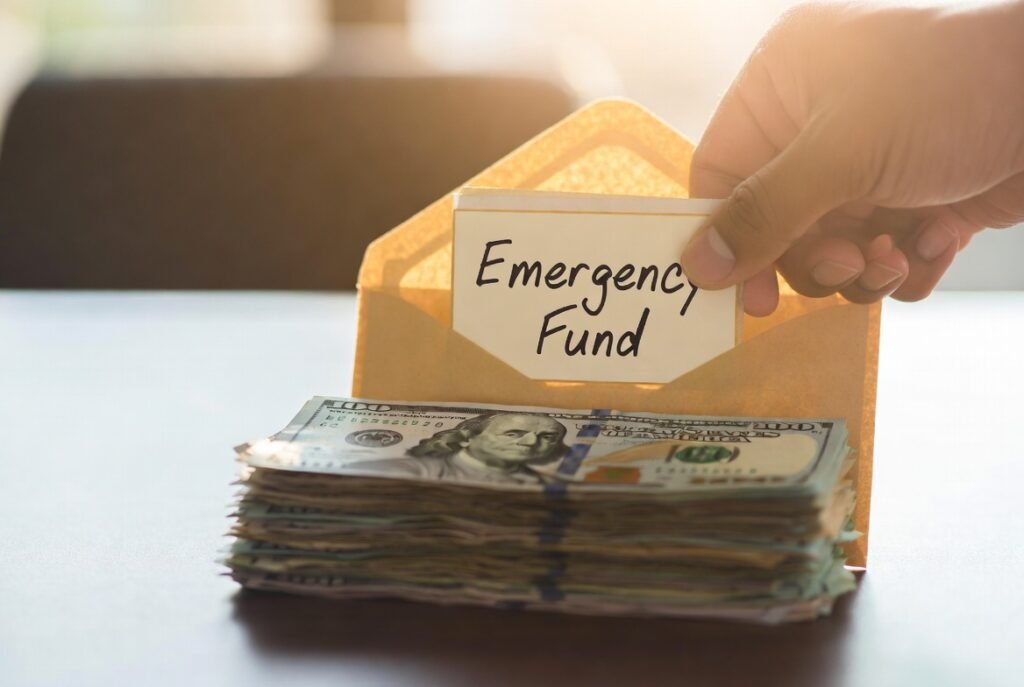
An emergency fund cushions you against any financial surprises like the cost of medical care or loss of a job. Even saving a little amount on a regular basis can create a safety net in the long run. This practice minimises loan usage or credit card usage and grants one a sense of security when faced with situations of uncertainty, which enhances the overall well-being of financial stability.
Pay Yourself First
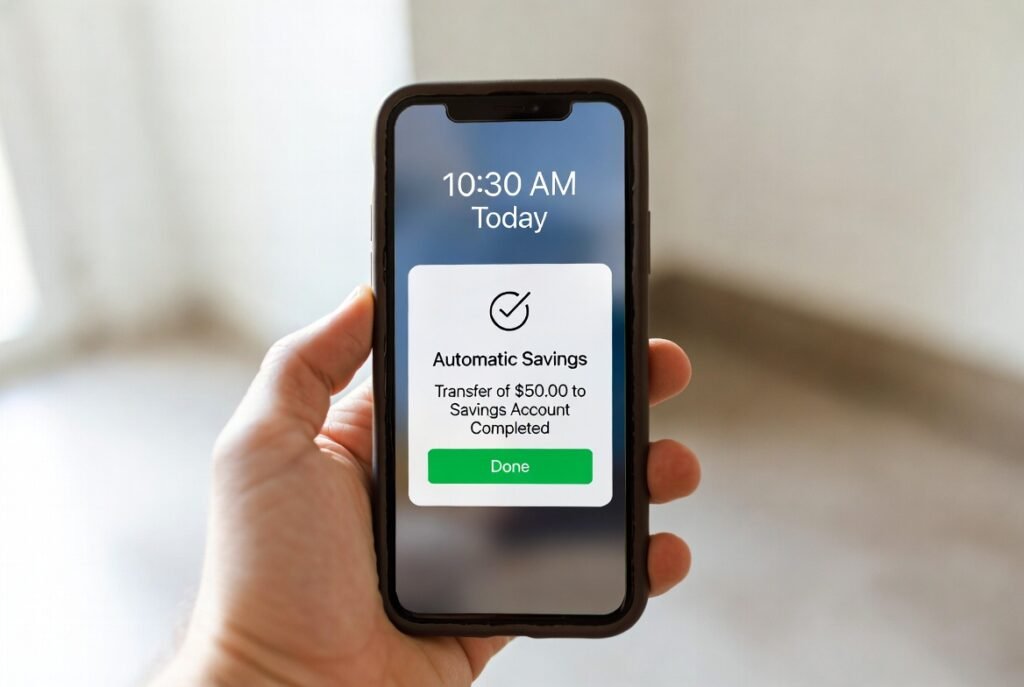
Paying yourself first refers to saving a part of the income and spending it on other things, not in the future. Such a habit puts in place long-term financial goals and guarantees a constant amount of savings. This can be facilitated by automating the transfer of savings.
Minimise Unproductive Costs
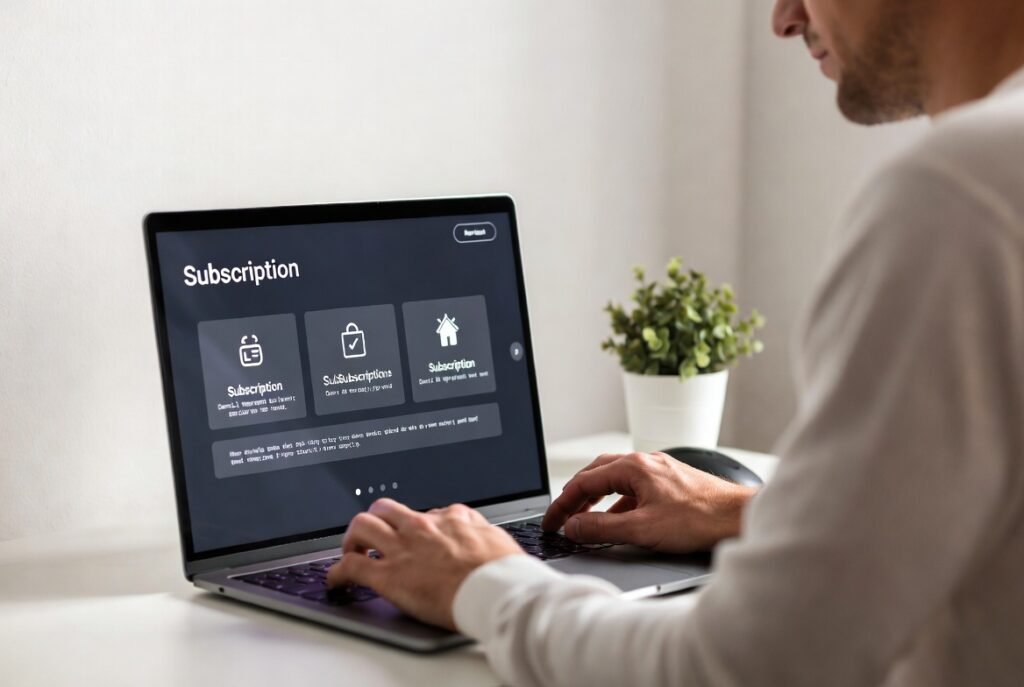
A review and reduction of unnecessary costs will release a lot of money in the long run. Minor expenses can be overlooked, including subscriptions that are not used routinely, or purchases made out of impulse. Doing away with these costs enhances cash flow and helps you to invest them back into savings, paying debts, or other important targets without reining yourself in as a result of financial limitations.
Use Credit Responsibly
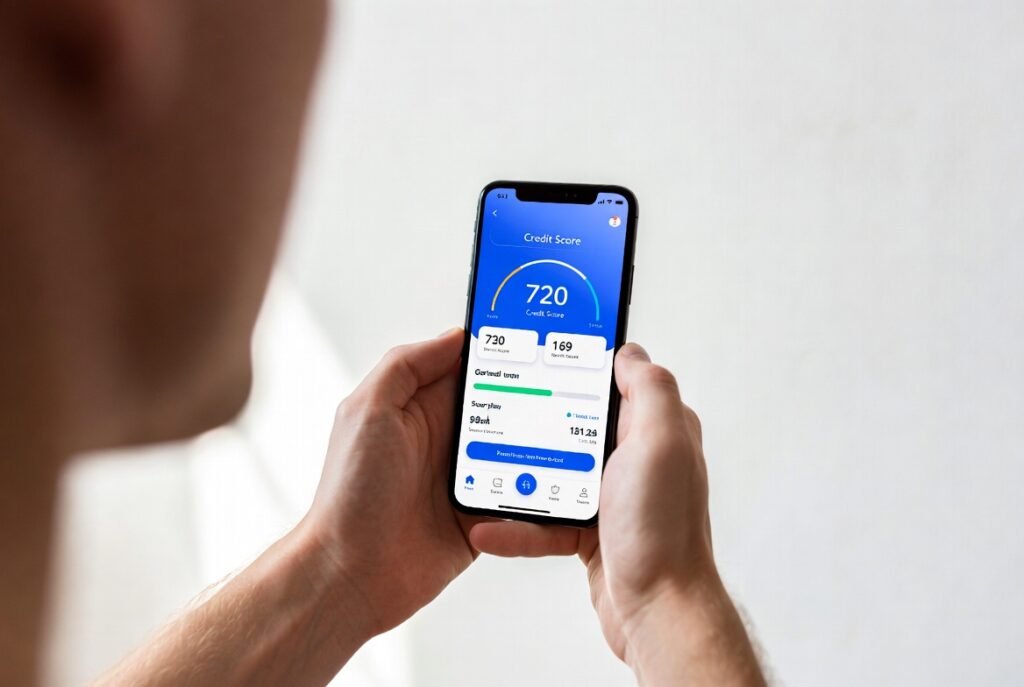
Financial health depends on responsible credit utilisation. Paying the bills punctually and maintaining low balances is a guarantee for your credit score. The practice lowers interest expenses and enhances future financial opportunities. Credit management is a practice that makes it a beneficial tool and not a liability.
Check Bank Statements on a regular basis
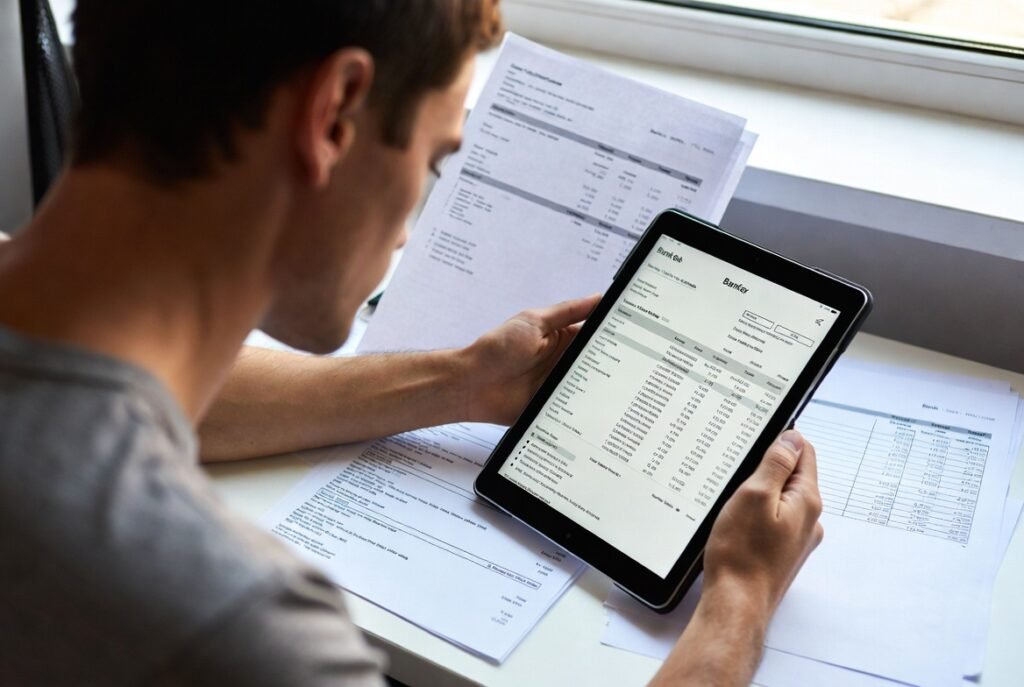
Checking bank and card statements can identify mistakes, fraud, and unwarranted expenses in a timely manner. This practice makes one more financially aware and responsible. Periodic checks also reveal the patterns of spending, and it becomes easier to change habits and control personal finances better.
Increase Savings Gradually

It is more sustainable to take little steps at a time rather than making many changes at a time. Minor increments with time eliminate pressure and are more feasible to sustain. This behaviour enables savings to increase without interference to the day-to-day comfort to facilitate long-term financial objectives at minimal inconvenience.
Make Large Purchases ahead of time
Making big purchases in advance helps to save the burden on the budget and minimise the necessity of loans. This practice will enable time to shop, save and make good decisions. The higher planning causes higher value and makes sure that high costs are in line with the general financial objectives.
Cloudify Payments and Savings

Automation minimises the chances of a payment default and helps in regular saving. Automatic transfer helps to make sure that bills are paid on time and savings increase on a regular basis. The habit makes it easy to manage finances and be disciplined without having to put in much effort or concentrate on it.
Check Financial Progress Periodically

Periodic evaluations of financial progress can be made to determine what is occurring and what should be done better. This practice makes them achievable and promotes a change where needed. Evaluating progress instills responsibility and strengthens positive behaviours, so that the long-term financial change is not lost track.
