
Fresh panic flashes across screens every dawn – crashing stocks, climbing interest, world stress, alongside warnings of chaos. Some think tracking each shift sharpens their edge in investing. Still others who’ve been through cycles tend to act differently. Rather than chase notifications, they pull away, watching how companies endure, what trends repeat, and which routines hold firm. When the news never stops, it often leans on alarm and haste – this nudges folks toward quick moves without reflection. Turning down that volume lets seasoned investors think sharper, handle swings with more composure, while building choices that favor long-term gains instead.
Attention Headlines
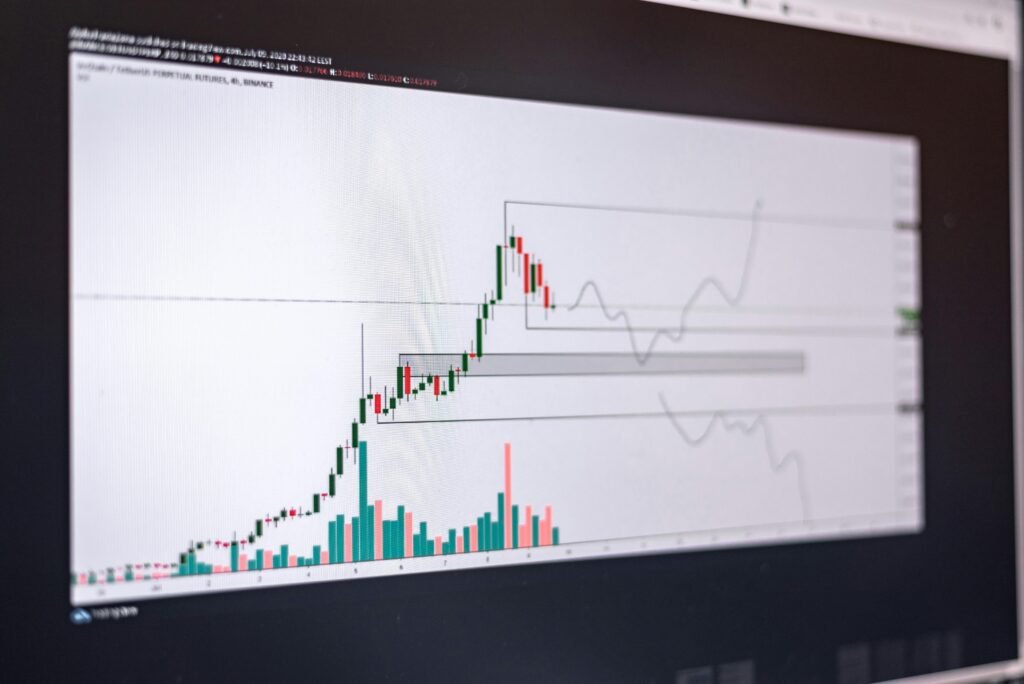
Headlines about money thrive on drama. Phrases such as “market crash” or “economic meltdown” pull focus fast – yet the reality might be far calmer than the words suggest.
Prediction Limits
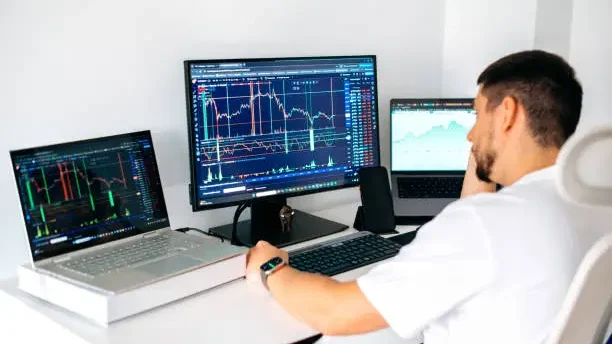
A guess about where markets go tomorrow? Harder than it seems. Week by week, even seasoned watchers lose their footing – so jumping at every headline might not help. What looks like a pattern often turns out fragile.
Long-Term Focus

Picking steady gains beats chasing every little swing. Over years, progress usually wins even when stumbles happen along the way.
Emotional Traps
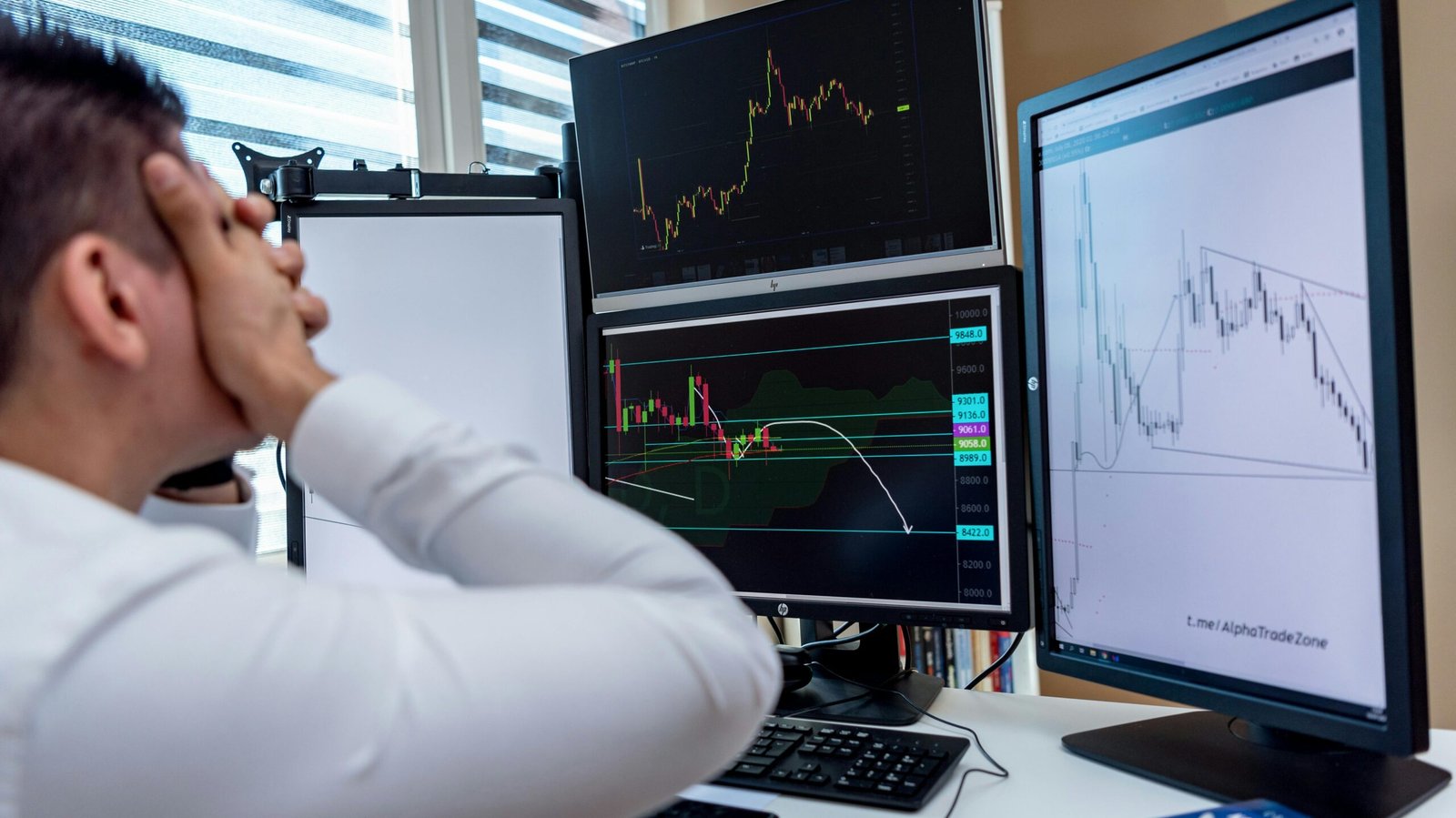
When headlines flash nonstop, nerves get frayed. Those caught in the emotional pull might pay too much when things soar, then exit just before recovery begins.
Daily Noise
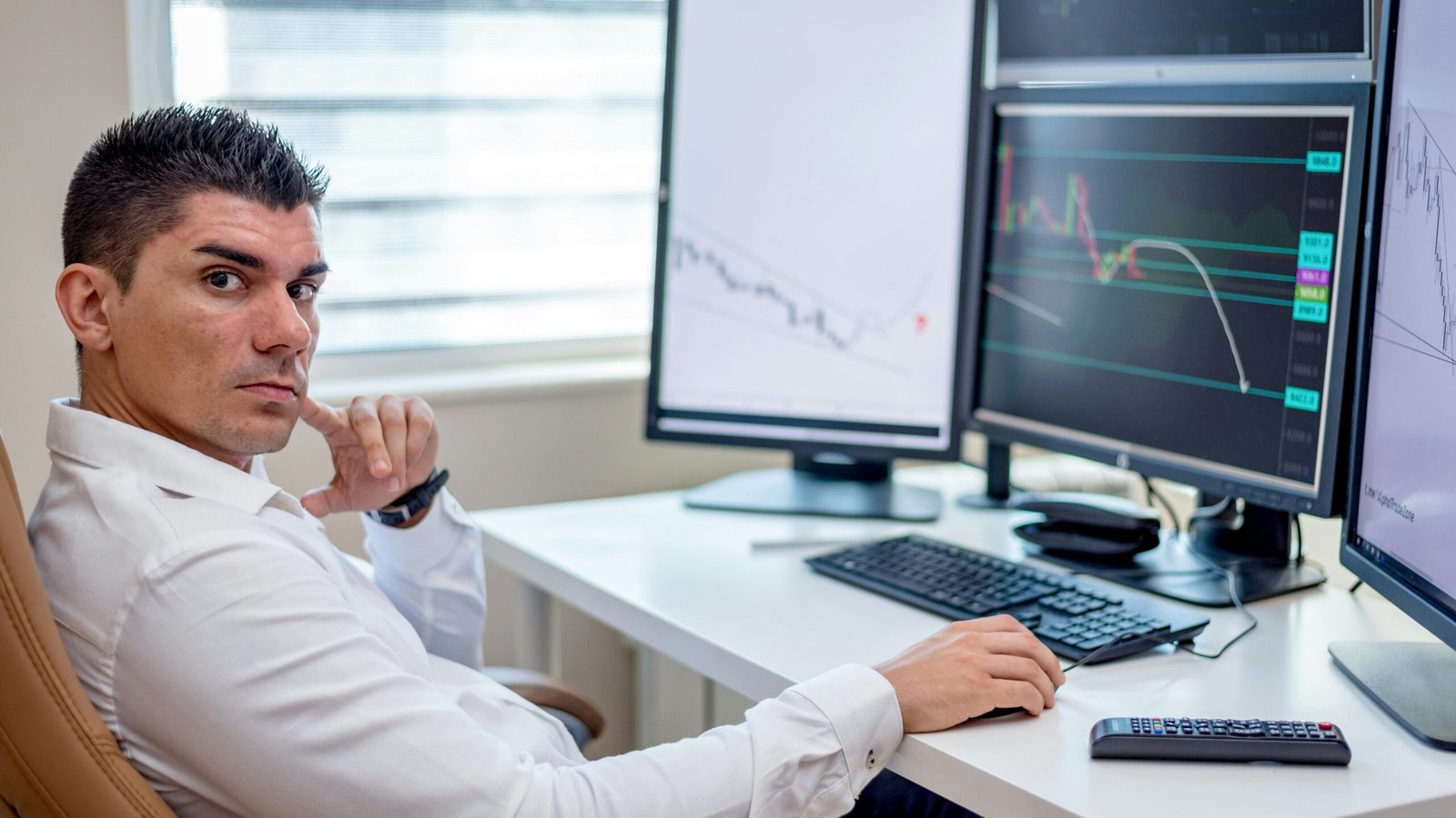
When news hits, prices might jump – earnings reports, elections, mood shifts on Wall Street. Yet solid businesses often stay steady despite daily noise around them.
Timing Trouble

Most folks who chase headlines when trading find it backfires. Waiting around for an ideal chance? That habit slips past big rebounds more often than not.
Long-Term Thinking

Focusing on years comes naturally to seasoned investors. Because their approach ties to steady expansion of economies, sudden news rarely sways them.
Diversification First
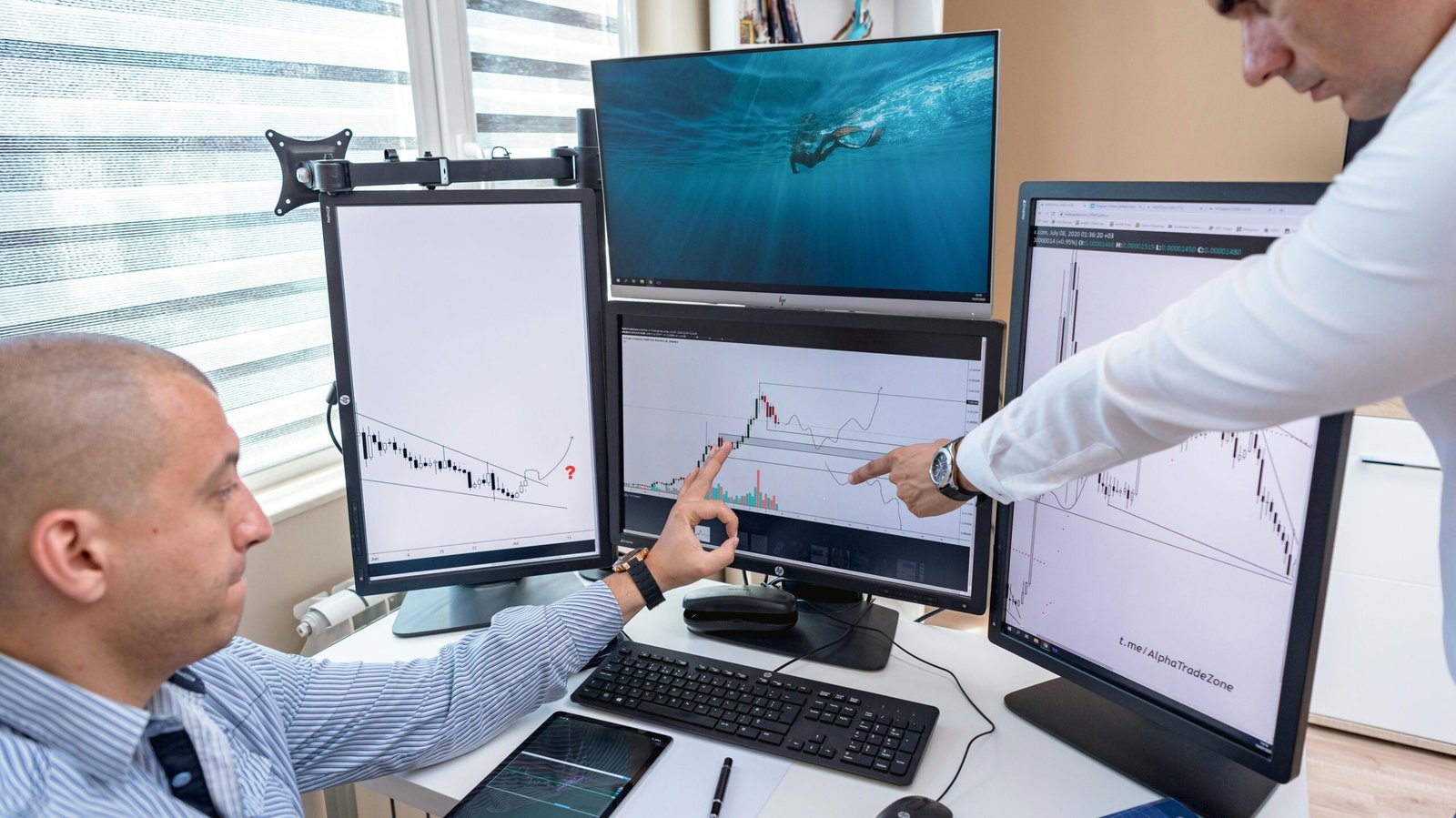
Folks who’ve been investing a while skip guessing what comes next in the headlines. Instead they scatter funds into various types of holdings. Risk shrinks when bets aren’t all riding on reading the market right every time.
Overtrading Risk

Stuck in front of finance channels hour after hour? That constant noise tends to spark a flurry of buy-sell moves. Jumpy activity piles up charges, drags down returns with tax hits, while mistimed picks chip away at gains.
Quiet Discipline

Patience finds its place when choices are steady. Through thick and thin, good picks tend to stick around longer than expected. One thing leads to another when holdings mix different kinds of strength.
